You’ve dialed in your roast profiles. Your team is trained. Your equipment is calibrated. And yet something keeps going wrong — an inconsistent batch here, unexpected equipment wear there, a near-miss that makes your quality manager’s jaw tighten.
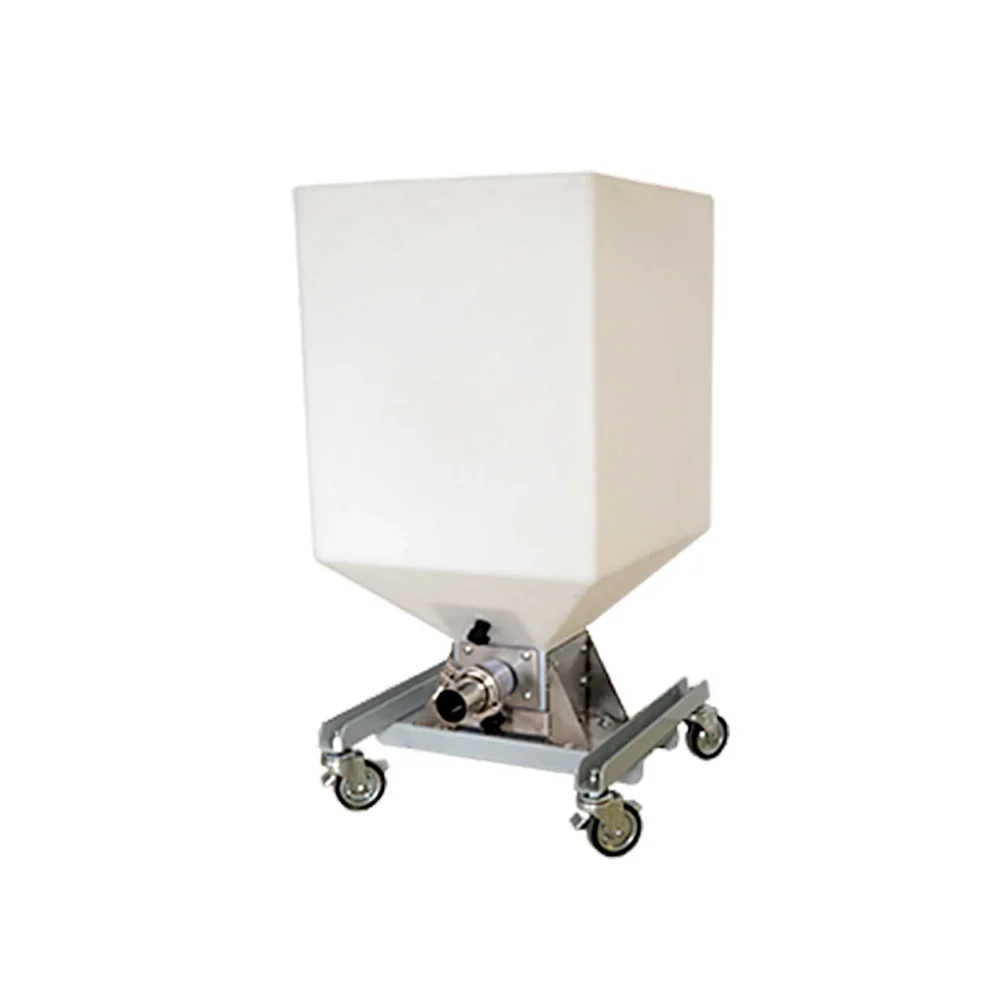
Before you chase the problem through your process parameters, consider what might be entering your facility before the green coffee ever touches heat. A destoner isn’t a luxury add-on. For serious roasting operations, it’s the line of defense that most people don’t think about until they need it badly.
What a Destoner Actually Does
Green coffee is an agricultural commodity. It arrives after passing through wet mills, dry mills, export warehouses, container shipping, and local receiving — each touchpoint a potential entry point for foreign material. Stones, metal fragments, hardened mud clusters, dense organic debris: these are not anomalies. They are statistical certainties at scale.
In practice, calibrating the airflow velocity, deck angle, and feed rate to handle the actual variability of green coffee — across different origins, different moisture levels, different bag densities — is where the engineering gets serious. An under-performing unit doesn’t just miss stones. It disrupts your feed consistency, which creates ripple effects downstream.
The Damage You Don’t See Immediately
The most obvious risk from undetected contaminants is equipment damage. Drum roasters — including precision-built machines like Probat roasters— operate within tolerances that foreign material can compromise. A single dense object moving through the drum isn’t just a one-time incident. It can cause micro-damage to drum surfaces, disturb airflow dynamics, and create inconsistent heat transfer that shows up as batch variance rather than as a visible equipment failure.
The subtler damage becomes more difficult to detect because its effects remain hidden. The roast curve experiences multiple alterations because the roaster processes different feed densities from contaminated materials, which disrupts material flow. Your current work involves changing profiles, which require no modifications. You’re chasing a ghost in your data.
Smaller specialty operations running equipment like a San Franciscan roaster face the same contamination exposure as high-volume facilities — but often with less redundancy to absorb the impact. A single bad batch on a smaller drum isn’t a rounding error. It’s a customer relationship.
When to Install a Destoner in Your Production Line
The right position for a destoner is upstream of your roaster — typically after green coffee has been transferred from bags and before it enters your pre-roast holding or weighing stage. This placement ensures that every batch entering the drum has already been screened, regardless of origin or lot.
If your operation moves multiple origins through the same line, or if you source from regions known for higher field contamination, pre-roast destoning isn’t optional — it’s a production baseline. High-output facilities often size their destoner capacity to match or exceed roaster throughput, so the screening step never becomes the bottleneck.
Some operations also run a destoner at intake, as a first-pass screen before green coffee enters storage. This is particularly valuable when you’re receiving large volumes and don’t want contaminated material sitting in silos where it becomes harder to isolate.
Matching Destoner Specifications to Your Actual Operation
Throughput capacity is the obvious starting point, but it’s not the only specification that matters. The range of coffee densities your machine needs to handle — driven by the origins and processing methods you source — determines how much adjustability you need in the airflow and deck mechanics. A unit calibrated for consistently washed Ethiopian naturals may not perform the same way when you introduce a heavy natural Brazilian.
You know maintenance access matters more than buyers often anticipate. Decks need to be inspected and cleaned regularly. Discharge systems need to be verified. A destoner that’s technically capable but practically difficult to service will eventually run under-maintained, which defeats the purpose. Before specifying a unit, walk through the service and access requirements with your equipment supplier. The hours spent on maintenance over three years often exceed the hours spent on installation.
Noise, vibration, and footprint are facility-level concerns that become operational realities quickly. Vibratory destoners in enclosed spaces create environments that affect operator comfort and focus. These factors don’t appear in spec sheets, but they should be part of the evaluation.
The ROI is Upstream, Not Downstream
The business case for a destoner is rarely built on prevented disasters — because disasters, once prevented, are invisible. The case is built on what it removes from your risk profile: equipment repair costs, batch rejections, claims from downstream customers, reputational exposure, and the operational noise of unexplained variance that sends teams chasing calibration problems that aren’t actually calibration problems.
Operations that have integrated proper pre-roast screening often report something quieter than a dramatic improvement: they report fewer anomalies to explain. That reduction in unexplained variance — in quality data, in equipment wear patterns, in customer feedback — is the signal that the investment is working.
Protecting What You’ve Built Starts Before the Roast
Every roasting operation is only as consistent as the inputs it receives. A destoner doesn’t change your coffee — it protects the integrity of your process so your equipment, your profiles, and your team can perform the way they were designed to.
If you’re making capital equipment decisions for a growing or maturing roasting facility, the destoner belongs in that conversation early. The contamination is already in your supply chain. The question is whether you catch it before it reaches your drum.