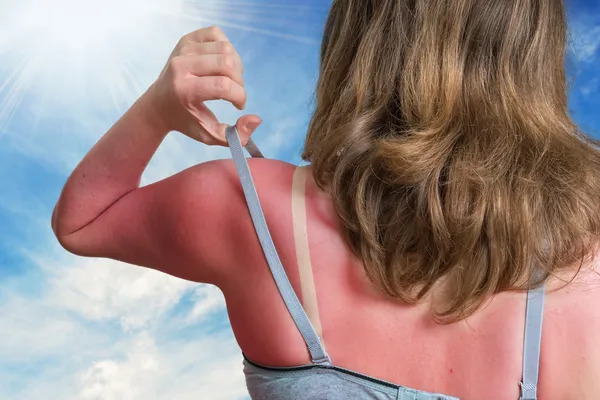
A day in the sun can shift quickly from enjoyable to uncomfortable. What starts as a healthy glow can turn into redness, heat, and throbbing skin by evening. At that point, most people ask the same uneasy question: Is this just a sunburn, or is it sun poisoning?
The difference matters. Most cases only require simple Burns and sunburn relief at home. But sometimes your body sends stronger signals — and ignoring them can make things worse.
Let’s walk through this together, calmly and clearly.
What a Normal Sunburn Actually Feels Like
A typical sunburn is painful — but predictable. You’ll usually notice:
- Red or pink skin
- Warmth to the touch
- Tenderness
- Mild swelling
- Peeling a few days later
It might feel tight when you move. Shower water might sting. Sleeping on your back may suddenly feel impossible. But overall, you still feel like yourself. Tired maybe. Uncomfortable. But not sick.
This is your skin reacting to UV damage. The redness? That’s inflammation. The warmth? Increased blood flow is trying to repair cells.
In these cases, consistent Burns and Sun Burn Relief — cooling the skin, hydrating, moisturizing gently — is usually enough. Within a few days, you’ll start feeling like your skin belongs to you again.
But sun poisoning feels different.
When It’s More Than Just Skin Deep
Sun poisoning isn’t a separate disease — it’s a severe inflammatory reaction to intense sun exposure. And it doesn’t stop at your skin.
It can include:
- Large or rapidly forming blisters
- Intense swelling
- Fever
- Chills
- Headache
- Nausea
- Dizziness
- Dehydration
The key difference? You feel unwell overall.
Not just sore. Not just irritated. But drained. Weak. Foggy.
It’s the kind of discomfort that makes you lie still and wonder why your whole body feels like it’s working overtime.
That’s because it is.
Why Your Body Reacts So Strongly
Your skin isn’t just a covering — it’s your largest organ. When UV damage is extensive, your immune system goes into full response mode.
Inflammation increases. Fluids shift toward damaged areas. Your body temperature can rise. You lose hydration faster than you realize.
This isn’t a weakness. It’s biology.
But severe inflammation needs monitoring. That’s when simple Burns and Sun Burn Relief steps might not be enough.
The Question You’re Really Asking: Should You Be Worried?
Here’s a grounded way to decide.
You likely have a manageable sunburn if:
- The pain is uncomfortable but tolerable
- You don’t have a fever
- You’re not nauseated
- Blisters are small or minimal
You should consider medical care if:
- Blisters cover large areas
- Your fever climbs above 101°F
- You feel faint or confused
- Vomiting begins
- The pain feels extreme and escalating
If your symptoms feel overwhelming rather than inconvenient, listen to that instinct.
Searching for a Dermatologist Cosmetic Near Me can connect you with a provider who understands not only the immediate inflammation but also the long-term effects sun damage can leave behind.
And if your concern extends beyond a burn — perhaps you’re thinking about repeated sun exposure or unusual skin changes — you might come across advanced treatment options when looking for SRT Dermatology Near Me, which focuses on specific skin conditions related to long-term damage.
The point isn’t to panic. It’s to respond wisely.
How to Soothe a Standard Sunburn the Right Way
If it’s a typical burn, your goal is simple: calm inflammation and support healing.
Cool — Don’t Shock
Take a cool shower. Not icy. Ice can worsen tissue damage. Think gentle relief, not extremes.
Hydrate Like It Matters (Because It Does)
Sunburn draws fluids toward the skin’s surface. Drink more water than usual for a few days.
Moisturize With Care
Apply fragrance-free lotion while your skin is slightly damp. Skip heavy oils that trap heat.
Leave Blisters Alone
Blisters are protective. Breaking them increases infection risk.
Rest
Your body heals faster when you give it space to do so.
With consistent Burns and Sun Burn Relief practices, you’ll likely see improvement within three to seven days.
When to Absolutely Seek Help
There are moments when staying home isn’t brave — it’s risky. Get medical attention if you experience:
- Severe blistering over a wide area
- High fever
- Persistent vomiting
- Severe dehydration (very dark urine, extreme thirst, dizziness)
- Signs of infection like spreading redness or pus
Your skin should hurt. It should not make you feel scared.
If it does, don’t wait.
Conclusion: Knowing the Difference Protects More Than Your Skin
So how do you know if it’s sunburn or sun poisoning? If it’s localized redness and soreness, thoughtful Burns and Sun Burn Relief at home will likely do the job. But if your symptoms spread beyond your skin — fever, nausea, severe blistering — your body is asking for medical support.
You don’t need to overreact. You just need to pay attention. Your skin heals remarkably well when cared for properly. And knowing when to treat at home versus when to seek help ensures that one sunny day doesn’t turn into something far more serious…
Be gentle with your skin. Be responsive to your body. And next time, give yourself a little extra shade.