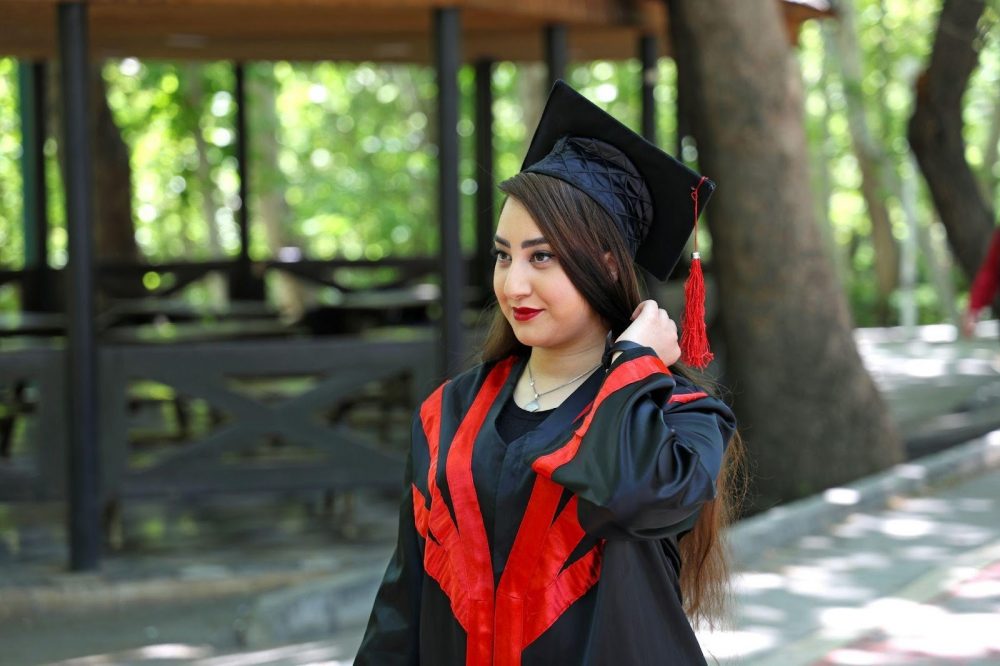
The performance of the students in the board examinations and Olympiads is not just a measure of academic talent but also of discipline, confidence, and long-term learning patterns. In the modern competitive education system, the performance of students under the Central Board of Secondary Education is frequently regarded as an indicator of quality education and strong academic backgrounds.
In such tests, performance transcends marks and grades. It indicates a good level of understanding of concepts, pressure-handling ability, and the capacity to apply knowledge in real-life situations. For parents, educators, and students, these accomplishments are positive indicators that the learning environment is conducive, balanced, and future-focused.
With the Central Board of Secondary Education, schools in India strive to develop students who are not only good in exams but also in critical thinking, creativity, and character.
The Significance of Board Exams and Olympiads in Student Development
Learning Standards and Academic Benchmarks
Board examinations define academic standards and evaluate how well students have mastered their subjects. A high score reflects consistency, conceptual clarity, and disciplined study habits.
In the same way, Olympiads focus on:
- Logical reasoning
- Problem-solving ability
- Analytical thinking
- Subject depth
These tests help students understand their strengths and weaknesses.
Developing Confidence Through Competitive Exposure
Participating in Olympiads and competitive exams exposes students to national and international standards. This experience helps them:
- Overcome exam fear
- Improve time management
- Develop resilience
- Gain self-belief
This exposure contributes significantly to the development of confident and independent learners.
Building a Culture of Academic Excellence in Schools
Nurturing Instructional Methods
Behind every board exam achiever and Olympiad winner is a team of dedicated teachers. Effective schools focus on:
- Clear lesson planning
- Regular assessments
- Personalized feedback
- Concept-based learning
Educators who promote questions and discussions help students move beyond rote learning.
Individualized Learning Environment
Academic achievement flourishes in a balanced setting. Schools that encourage both studies and co-curricular activities help students remain mentally healthy and motivated.
Elements of a healthy learning culture include:
- Structured study schedules
- Stress-free classrooms
- Peer collaboration
- Positive reinforcement
Such balance helps students stay focused without feeling overwhelmed.
Board Exam Toppers and Olympiad Winner Stories
Learning From Academic Role Models
Board exam toppers often share similar habits, including:
- Daily revision
- Goal setting
- Consistent practice
- Seeking advice when required
Their journeys inspire other students to believe in success through hard work.
Achievements in Olympiads
Olympiad winners show strong conceptual knowledge and curiosity. They often:
- Explore advanced topics
- Practice diverse problems
- Participate in workshops
- Learn from past papers
These students prove that passion for learning matters more than memorization.
Effective Advice for Students Aiming for Academic Success
How to Form Good Study Habits
Successful students follow organized schedules. Practical tips include:
- Establishing a realistic study plan
- Dividing topics into small segments
- Regular revision
- Practicing mock tests
Short, focused study sessions are more effective than long, tiring hours.
Application of Smart Learning Techniques
Combining traditional and modern methods benefits learners. Effective techniques include:
- Mind maps
- Flashcards
- Group discussions
- Online learning resources
Multiple learning styles improve understanding and memory.
Dealing With Stress and Motivation
Academic pressure is normal and should be managed properly. Students should:
- Take regular breaks
- Sleep adequately
- Stay physically active
- Discuss concerns with teachers
A relaxed mind improves concentration and performance.
Parental and Teacher Involvement in Student Performance
Parental Support at Home
Parents shape academic attitudes. They can help by:
- Providing a quiet study area
- Encouraging effort over grades
- Maintaining good communication
- Appreciating small achievements
Supportive parenting builds emotional security and motivation.
Coaching by Teachers and Mentors
Teachers guide students academically and personally. Regular mentoring helps students:
- Set realistic goals
- Improve weak areas
- Stay motivated
- Build confidence
Strong teacher-student relationships support long-term success.
Benefits of Academic Achievements in Student Development
Academic Benefits
High performance in board exams and Olympiads leads to:
- Better career prospects
- Admission to competitive institutions
- Strong subject foundation
- Improved learning discipline
These benefits prepare students for higher education and careers.
Emotional and Psychological Benefits
Success improves emotional well-being and helps students develop:
- Self-confidence
- Stress management skills
- Positive self-image
- Emotional resilience
Belief in their abilities makes students more courageous.
Personal and Social Growth
Educational achievement supports personality development by improving:
- Communication skills
- Leadership qualities
- Responsibility
- Time management
These skills help students in all areas of life.
Frequently Asked Questions (FAQs)
What is the best way to prepare for board exams?
Students should follow an organized study schedule, revise regularly, practice past papers, and ask teachers for clarification. Consistency matters more than long hours.
Do Olympiads help average students?
Yes. Olympiads improve logical thinking and subject understanding. Participation builds confidence regardless of rank.
How should parents encourage children?
Parents should focus on effort, promote healthy habits, listen to concerns, and avoid comparisons. Emotional support is essential for long-term success.
What role do schools play in academic success?
Schools provide guidance, learning resources, mentorship, and a positive environment that supports academic and personal growth.
Conclusion
Board examination and Olympiad performance can be symbolized through hard work, mentorship and a culture of learning. The successful school performance is a natural consequence of collaboration between schools, parents, and students.
It enables the students to adjust to future challenges, as they are confident by building good study habits, fostering curiosity and ensuring the emotional well-being. Having good learning atmosphere, they develop into responsible and able people.
At GM Vidyaniketan Public School, in the academic guide programs of the school, students have the opportunity to enhance preparatory instruments, enhance their conceptualization, and proceed on their quest to attain significant academic success.