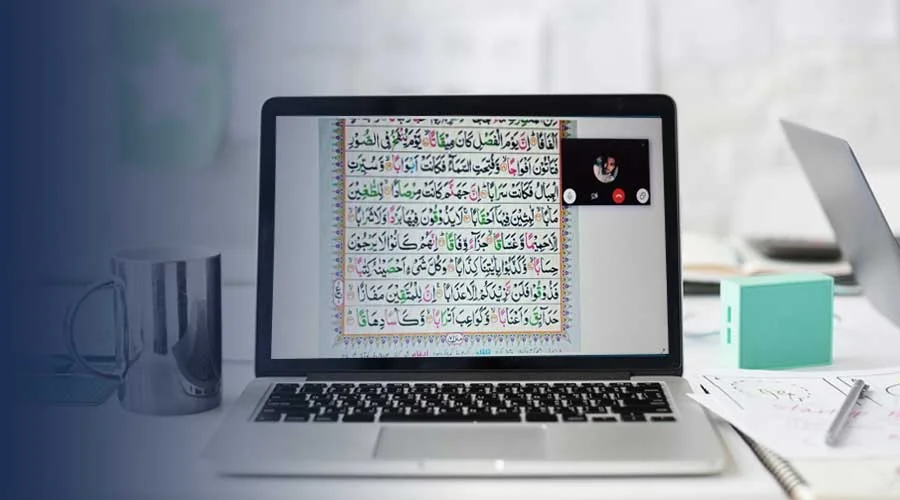
Learning the Quran online gives you flexibility and connects you with skilled teachers no matter where you live. But staying motivated gets tough when you’re studying from your couch instead of sitting in a masjid surrounded by other students. Here’s what actually works for keeping your Quran studies going strong.
Set Clear and Achievable Goals
Jumping into Quran learning without knowing what you want to accomplish means you’ll probably quit when things get hard. You need specific targets to work toward.
Break everything down into chunks you can actually finish. If you want to complete one juz in three months, do the math on how many pages that is per week. Maybe you want to memorize Surah Al-Mulk by Ramadan or fix how you pronounce the letter ض. Write it down somewhere you look at every day.
Make sure your goals match your real life. Promising yourself you’ll memorize five pages daily when you barely have 30 minutes is just asking for failure. Start with what you can actually handle and add more later. Feeling good about small wins beats constantly feeling guilty about missing big targets.
Keep a simple tracker going. A notebook works fine. When you flip back and see you’ve memorized 15 verses this month, it pushes you to keep going. Some days feel impossible but having something concrete to work toward helps you show up anyway.
Join Online Study Groups
Studying by yourself gets lonely fast. Finding other students makes everything easier and more fun. Look for groups where people are around your level and want similar things.
Lots of platforms run group classes or study circles. You learn with others who get exactly what you’re dealing with. Everyone asks questions, shares what works for them and pushes each other when motivation dips. The Recitation course by Quran Class runs structured group sessions where students help each other improve while getting expert teaching.
Facebook groups and WhatsApp circles for Quran students also help. You’ll meet people who struggled with the same stuff you’re struggling with now. Their stories and advice save you from making the same mistakes.
Having study buddies means you can’t just skip whenever you feel lazy. When someone’s waiting for you or expecting you to show what you practiced, you’ll actually do the work. That outside push helps when your own motivation runs low.
Create a Consistent Schedule
Showing up every day for 20 minutes works way better than studying for two hours once a week. Your brain holds onto information through regular practice.
Find times that already fit your day. Maybe before work, on your lunch break or after Maghrib – whatever doesn’t require reshuffling your whole life. The exact time doesn’t matter as much as doing it at the same time.
Treat these slots like doctor’s appointments you can’t reschedule. Put them in your phone calendar and protect them from everything else. Tell your family this is your Quran time so they know not to interrupt.
You won’t feel like studying some days. Do it anyway. Action usually creates motivation instead of waiting for motivation to create action. The first five minutes are the hardest. Once you start, you’ll probably keep going.
Make It a Daily Habit
Habits happen through repetition. When Quran study becomes automatic like making your morning tea, you stop needing willpower to do it.
Attach your study time to something you already do every single day. If you drink coffee at 7 AM, make that your Quran time. Your brain will connect the two and studying becomes part of the coffee routine.
Leave your mushaf somewhere you see it constantly. Your nightstand or desk works well. Seeing it reminds you about your commitment multiple times a day.
Don’t skip days. Even if you only have five minutes on a crazy day, do those five minutes. Keeping the streak alive matters more than how long you study. Missing once makes missing twice way easier.
Adapt to Your Learning Style
What works for your friend might not work for you. Some people learn best by hearing things over and over. Others need to write everything down. Figure out your style and study that way.
If looking at things helps you learn, use colored highlighters or watch video lessons. If you learn through sound, play recitations while you cook or drive. If you need to move, write verses repeatedly or walk around while reciting.
Try different teachers until someone clicks. The right teacher explains things in ways that suddenly make sense and keeps you interested instead of bored.
Switch up what you’re doing so you don’t zone out. Spend Monday on memorization, Tuesday on tajweed, Wednesday on translation. Changing activities keeps your brain engaged.
Conclusion
Keeping your Quran studies going online takes real work and planning. Set goals you can hit, study with other people, pick times and stick to them, build it into your daily routine and study in ways that match how you learn best. Some weeks will feel easier than others and that’s normal. What counts is showing up regularly and trusting that the work adds up over time. Your connection with the Quran grows through consistent effort, not perfect performance.