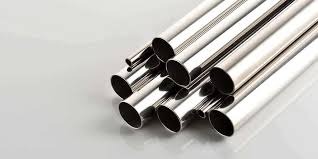
Imagine a world where your home’s water lines never rust or your factory’s equipment doesn’t break down from harsh chemicals. That’s the power stainless steel pipes bring to everyday life. These sturdy tubes, made from an iron alloy with at least 10.5% chromium, stand out because they fight off corrosion like a shield. You see them everywhere—from kitchen sinks to massive oil rigs. They keep things running smooth in tough spots, beating out plain steel that flakes and fails over time. Industries like food processing and chemical plants count on them to stay safe and efficient.
Understanding the Core: Properties of Stainless Steel Piping
Stainless steel pipes win big over regular carbon steel because they hold up under pressure and ignore most wear. Their mix of strength and toughness makes them a go-to for builders and engineers. Let’s break down what sets them apart.
Corrosion Resistance and Passivation Layer
Chromium in stainless steel forms a thin oxide layer right on the surface. This passivation layer acts like invisible armor. It blocks oxygen and moisture from attacking the metal underneath.
When you scratch it, the layer heals itself fast. That’s why stainless steel resists rust so well in wet or salty spots. Think about how it handles acids in factories or chlorides near the ocean without pitting or holes.
In tough environments, like chemical plants, this feature saves money on fixes. No wonder folks search for “how stainless steel resists rust”—it’s a game-saver for long-term use.
Mechanical Strength and Temperature Tolerance
These pipes pack a punch with high tensile strength, often over 500 MPa for common grades. They bend without breaking, thanks to good yield strength around 200-300 MPa. Hardness levels keep them from denting easy under daily stress.
At super cold temps, down to -200°C, they stay tough for things like LNG transport. On the flip side, they handle heat up to 800°C in steam lines without warping. Compare that to carbon steel, which cracks or weakens fast in extremes.
Standards like ASTM test these traits, so you know they meet real-world needs. Their durability means fewer breakdowns and longer life in hot or cold setups.
Hygienic and Non-Porous Characteristics
The smooth, non-porous surface of stainless steel pipes stops dirt and germs from sticking. You can clean them easy, which is key for health-focused spots. Bacteria hate it here—no cracks for hiding.
In food plants, this prevents contamination and keeps tastes pure. Pharma makers love it too, as it meets strict clean rules. Polished finishes cut risks even more, making pipes safe for sensitive flows.
Plus, no leaching of metals into liquids means purer water or meds. It’s why they’re top pick for sanitary systems everywhere.
Types of Stainless Steel Pipes
Not all stainless steel pipes act the same. Grades change based on mix and use. Knowing types helps you pick the right one for your project.
Austenitic Stainless Steels (300 Series)
The 300 series leads the pack with great formability and weld ease. Grade 304 is everywhere—cheap and tough against most rust. It works in home plumbing or basic factory lines.
Then 316 steps up with added molybdenum for better chloride fight. You’ll find it in marine gear or coastal builds, where salt air would eat others. 316L, the low-carbon version, shines in welds without cracking.
Take surgical tools: 316L tubing keeps things sterile and strong. These austenitic types stay non-magnetic and flexible, perfect for pipes that twist and turn.
Ferritic and Martensitic Stainless Steels (400 Series)
Ferritic grades, like 430, use less nickel and pull to magnets. They offer fair rust block at lower cost. Good for car parts or home appliances where heat isn’t wild.
Martensitic ones, such as 410, heat-treat for extra hardness and strength. They suit spots needing wear resistance, like pump shafts. But they lag in top corrosion fight compared to 300 series.
You’d use them in milder setups, saving bucks without big risks. Their magnetic pull helps in sorting or testing too.
Duplex Stainless Steels
Duplex blends austenitic and ferritic phases for a super mix. This gives twice the strength of plain austenitic pipes. They laugh off stress corrosion cracking in salty or acidic flows.
Grades like 2205 handle oil rigs deep underwater. High yield strength over 450 MPa means thinner walls and lighter weight. That’s a win for big projects cutting costs.
In sour gas lines, they beat single-phase steels hands down. Their balance makes them hot for offshore work.
Manufacturing Methods and Pipe Designations
How pipes get made changes their fit for jobs. Seamless or welded? Size matters too. Get this right to avoid leaks or bursts.
Seamless vs. Welded Pipe Construction
Seamless pipes start hot, extruded from a solid billet. No weld line means top strength for high-pressure spots. They cost more but shine in oil wells or boilers.
Welded ones form from sheets, joined by electric resistance (ERW) or submerged arc (LSAW). ERW fits low-to-mid pressure lines like water mains. LSAW builds big diameters for construction sites.
Choose seamless for purity in gases; welded for budget-friendly hauls. Each method meets codes, so inspect the weld quality close.
Pipe Sizing, Schedules, and Standards
Nominal Pipe Size (NPS) names the rough inside diameter, from 1/8 inch to over 30 inches. Schedules like SCH 10 or 40 set wall thickness—thicker for more pressure hold. SCH 40 handles up to 1000 psi in many cases.
Wall thickness ties to fluid type and speed. Corrosive stuff? Go thicker to last. ASTM and ASME set the rules, ensuring safe fits worldwide.
Tip: Match schedule to your max pressure and liquid bite. Use charts from suppliers to nail it. This keeps systems leak-free and code-compliant.
Critical Applications Across Key Industries
Stainless steel pipes flex into many roles. From factories to homes, they carry fluids without fail. See how they fit key spots.
Chemical Processing and Petrochemical Industries
In chem plants, pipes face acids and heat daily. Super duplex grades like 2507 resist pitting in harsh brews. They cut leaks that could spell danger.
Petrochem uses them for crude oil flow, handling sulfides without fail. Stats show they last 20-30 years versus 10 for carbon steel. No wonder costs drop over time.
High alloys here prevent fires or spills. They’re the safe backbone for energy ops.
Food, Beverage, and Pharmaceutical Sectors
Smooth 316L pipes keep dairy or beer pure—no rust taint. Polished insides wipe clean fast, dodging FDA fines. Breweries swear by them for flavor hold.
Pharma lines move drugs without adding junk. Their non-reactive walls meet GMP standards. One plant cut contamination risks by 50% switching over.
Sanitary design means quick rinses between batches. It’s all about trust in what flows through.
Water and HVAC Systems
Potable water pipes in 304 stop lead-like leaching. Cities use them for clean supply to taps. They outlast PVC in freezes too.
HVAC loops with stainless boost heat swap efficiency. Thin walls transfer warmth fast in chillers. Buildings save energy, cutting bills by 15-20%.
In pools or spas, they fight chlorine without degrade. Reliable flow keeps comfort steady year-round.
Conclusion
Stainless steel pipes deliver unbeatable corrosion fight, strength, and clean use across types like austenitic and duplex. From seamless builds to sized schedules, they fit any need. Industries from chem to food rely on their long haul.
Key points: They beat rust with passion, handle wild temps, and stay germ-free. Upfront price pays back in low upkeep—systems last decades. Pick the grade right, and watch savings grow.
As green building rises in 2026, these pipes lead to sustainable setups. They cut waste and boost efficiency. Ready to upgrade your lines? Check standards and Stainless Steel Pipes suppliers now for a solid future.