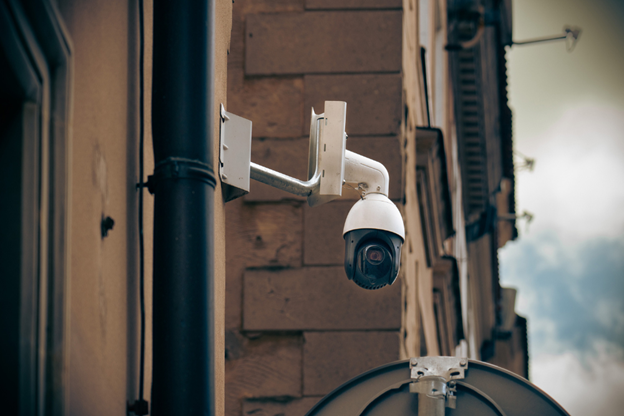
Not long ago, installing CCTV meant drilling holes, running cables through walls, and connecting everything to a central recorder. It worked. It still works.
But let’s be honest – most people today don’t want that level of disruption or ongoing electricity dependency.
Security expectations have evolved. Property owners are no longer just asking, “Will it record?” They’re asking, “Is it efficient? Is it flexible? Will it keep working if the power goes out?”
That shift is exactly why the Solar Security Camera has moved from being a niche option to a serious mainstream solution.
At the same time, the Solar Powered Security Camera isn’t just about solar panels, it’s about independence, adaptability, and smarter surveillance design.
So how does it actually compare to traditional CCTV in real-world use?
First, What Makes a Solar Security Camera Different?
A Solar Security Camera uses a solar panel to charge an internal rechargeable battery. Instead of drawing constant power from the grid, it stores energy during daylight hours and uses that stored power to operate continuously.
That one difference changes everything.
Because it doesn’t rely on fixed electrical wiring, installation becomes dramatically simpler. No electricians. No heavy cable routing. No permanent wall modifications in many cases.
Modern systems don’t compromise on features either. A quality Solar Powered Security Camera typically includes:
- High-definition or 4K recording
- Night vision functionality
- Motion detection with alerts
- Two-way audio
- WiFi or 4G connectivity
- Mobile app access
In terms of capability, solar systems now match and sometimes exceed traditional wired setups.
The Part Nobody Talks About: Ongoing Costs
Traditional CCTV has two cost layers.
The first is installation. The second is long-term operation.
Wired systems require electricity 24/7. Over months and years, that steady consumption adds up. Add in maintenance or wiring issues, and total ownership costs increase.
A Solar Powered Security Camera, once installed, charges itself daily. There’s no continuous drain from your power supply. Over time, that efficiency becomes noticeable.
It’s not just about being eco-conscious. It’s about operational practicality.
Installation Reality: Time and Flexibility
Wired CCTV systems lock you into certain placement positions. Cameras go where cables can reach.
With a Solar Security Camera, placement is dictated by coverage needs, not wiring limitations.
Want to monitor a gate far from the main building?
Need surveillance in a yard without electrical access?
Managing a temporary job site?
This is where solar systems shine.
Mount, position the panel for sunlight exposure, connect through the app – done.
That level of flexibility is one of the biggest reasons adoption continues to grow.
But What About Reliability?
This is usually the first concern.
“What happens if it’s cloudy?”
Modern Solar Powered Security Camera systems are built with high-capacity rechargeable batteries designed to store multiple days of power. Even during overcast conditions, most units continue operating without interruption.
Weather-resistant housings and IP-rated protection ensure durability outdoors. Temperature resistance and sealed components protect internal electronics.
The idea that solar equals fragile is outdated. The technology has matured.
Smart Features Matter More Than Power Source
Security today isn’t just about recording footage. It’s about intelligent monitoring.
Many Solar Security Camera models now include AI-based motion detection, which reduces false alerts from trees, shadows, or small animals.
Clear imaging ensures details remain visible when reviewing footage. Two-way audio allows direct interaction if needed. Mobile app integration enables real-time monitoring from anywhere.
In practical terms, users don’t lose functionality by choosing solar. In many cases, they gain convenience.
Where Solar Makes the Most Sense
Solar-powered systems are especially useful in:
- Residential properties
- Farms and rural locations
- Construction projects
- Storage facilities
- Vacation properties
- Perimeter monitoring
In environments where running cables is inconvenient or expensive, a Solar Powered Security Camera simply makes more sense.
That doesn’t mean traditional CCTV disappears. It still fits in certain permanent, centralized installations. But flexibility is becoming more valuable than fixed infrastructure.
The Bigger Industry Shift
There’s a broader pattern happening in security technology.
Wireless connectivity is replacing wired systems. Renewable energy is replacing constant grid dependence. Smart automation is replacing passive recording.
The Solar Security Camera fits directly into that transition.
Compared to traditional CCTV, it offers:
- Easier installation
- Lower long-term electricity usage
- Placement freedom
- Continued monitoring during outages
- Simple scalability
For growing properties or evolving needs, that scalability matters.
Choosing the Right Solar Powered Security Camera
Not all solar cameras are equal.
When evaluating options, pay attention to:
- Battery capacity
- Video resolution
- Connectivity type (WiFi or 4G)
- Weather resistance rating
- Support and warranty
Reliable suppliers such as Leer Solar Cameras focus on durability and outdoor performance rather than cutting corners on components.
Security equipment should not be treated as disposable. Long-term reliability is more important than short-term savings.
Read More : CCTV Camera Installation, Service & Dealers in Ahmedabad
So, Is Solar the Future?
Security is no longer about simply recording footage.
It’s about efficiency. Independence. Adaptability.
A Solar Powered Security Camera delivers surveillance without wiring limitations and without ongoing electricity dependency. It reflects where the industry is heading — toward smarter, cleaner, and more flexible systems.
Traditional CCTV isn’t obsolete. But for many modern applications, the Solar Security Camera offers a more practical solution. And practicality tends to win.