Introduction
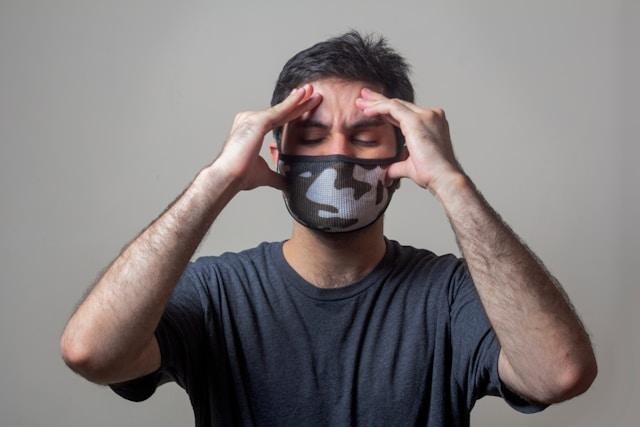
Sleep helps restore our body and mind, but many people have sleep problems that can lead to frequent headaches. While headaches have many causes, people often overlook poor sleep habits or disorders as contributors. Understanding how sleep and headaches connect can help people spot patterns, change their lifestyle, and get the right medical care. This article looks at six common sleep-related issues that can trigger headaches and explains why it’s important to address them.
Sleep Apnea and Interrupted Breathing
Sleep apnea occurs when breathing stops and starts while sleeping. These pauses lower blood oxygen levels and put strain on the body. People with sleep apnea often wake up with headaches due to low oxygen and disrupted sleep patterns. Those who don’t treat their sleep apnea feel tired even after sleeping all night. Using a continuous positive airway pressure (CPAP) machine and making lifestyle changes like losing weight can help reduce headaches linked to this condition.
Insomnia and Sleep Deprivation
Sleep problems, both short-lived and ongoing, keep people from getting the rest they need. Not sleeping enough boosts stress hormones, throws off brain chemicals, and makes pain feel worse—all of which can lead to headaches. Poor sleep also hurts the immune system and makes it hard to think making frequent headaches even tougher to handle. To cut down on headaches caused by sleep issues, try sticking to a routine drinking less coffee, and learning ways to relax.
Teeth Grinding at Night
Teeth grinding while sleeping also known as bruxism, can lead to headaches. This constant jaw muscle tightening puts pressure on the TMJ (temporomandibular joint), which often results in tension headaches or pain in the face. Many folks don’t realize they grind their teeth until their dentist spots signs of wear. To ease the jaw pressure and cut down on headaches, people can try night guards, learn to handle stress better, and tackle any underlying sleep problems.
Poor Sleep Posture
How you sleep can have an impact on whether you get a headache when you wake up. Bad sleep posture, like sleeping with your neck twisted or not supported, can put a strain on your muscles and squeeze your nerves. This tension often shows up as headaches when you wake up. Getting a good pillow and mattress, and using good sleep positions, can help stop headaches caused by bad posture. Small changes in how you sleep can make a big difference in how comfortable you feel in the morning.
Circadian Rhythm Disorders
Sleep cycle problems happen when your body’s inner clock doesn’t match up with outside signs, like sunlight and daily routines. People who work nights, travel a lot, or don’t sleep often get headaches because their sleep cycles are messed up. These headaches are tied to hormone issues and poor sleep quality. Sticking to a steady sleep schedule trying light therapy, and cutting back on screens at night can help get things back on track and ease headaches.
Migraines Caused by Sleep Issues
Sleep problems often set off migraines. Too much or too little sleep can bring on migraine attacks, and changing sleep patterns make the condition worse. People who get migraines need to keep their sleep routine steady. Many ask,is chronic migraine dangerous , and yes—ongoing migraines can hurt your quality of life and might need a doctor’s help. Dealing with sleep-related triggers can make a big difference in how often and bad migraines get.
Conclusion
Headaches often signal that something’s wrong in the body, and sleep problems are a common but overlooked cause. Sleep apnea insomnia, teeth grinding bad sleep posture, body clock issues, and migraines set off by sleep troubles all show how crucial good sleep habits are. When people see these links and take steps to sleep better, they can cut down on how often and how bad their headaches get, which makes their overall health better. Sleep isn’t just about resting—it’s the basis for health, and looking after it is key to living without constant headaches weighing you down.