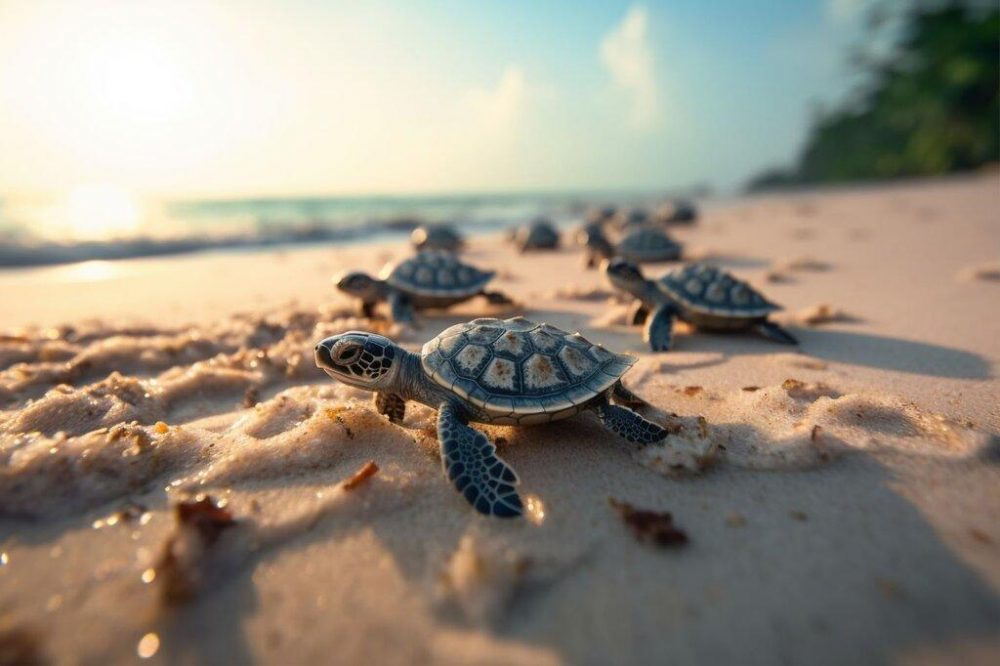
Seeing a sea turtle come onto a peaceful beach to lay her eggs is a sight you will never forget. In Costa Rica, the experience is even better, as you can help make a real impact. Volunteering for sea turtle conservation gives you the opportunity to work with endangered species, as well as live close to nature and the local communities. From monitoring the nests to helping the little hatchlings make it to the water, every task is important.
This blog will help you select the right conservation sea turtle program. Offering travel with a purpose is unique.
Understanding Sea Turtle Conservation in Costa Rica
Both Caribbean and Pacific coasts of Costa Rica are some of the most important nesting sites for endangered sea turtles. That is the reason why Costa Rica is so highly rated for conservation efforts. Understanding why the species are endangered and why you are needed is important, as it will prepare you for the experience.
The Five Turtle Species You’ll Encounter
Olive Ridley turtles are the most prominent in your working routines. These gorgeous, medium-sized turtles make up more than 95% of the Pacific beach nesting events. They are known for their mass nesting events, called arribadas, where thousands of mothers come ashore simultaneously. Leatherbacks are the heavyweights of the group, reaching weights of 2,000 pounds. They nest in different periods than their smaller relatives.
Green sea turtles inhabit the Caribbean coast expanding towards Tortuguero National Park. Other species like the hawksbill and loggerheads inhabit this area less frequently, yet tracking them is still of great importance. Each type of sea turtle exhibits a distinct behavior as well as a different conservation challenge, which you will be able to learn and identify.
Critical Threats Facing Costa Rican Sea Turtles
There is a huge impact of climate change on the temperature of the sand, which directly determines the sex of the hatchlings. Higher sand temperatures = more females. This can potentially imbalance the population of the breeding sea turtles. Combined with pollution from plastics, fishing equipment, encroaching development on the beaches, and artificial lighting, sea turtles face a multitude of threats at each stage of their lifecycle.
Your Daily Life as a Sea Turtle Conservation Volunteer
Conservation is dictated by the schedule of the turtles, which means you will have to become accustomed to late night and early morning walks on the beach. Yes, the work requires a lot of physical effort, but watching a sea turtle lay her eggs or releasing a swarm of baby turtles makes the effort worth it.
Many organizations offering Costa Rica volunteer programs structure their turtle projects around validated scientific methods. These initiatives typically align with peak nesting periods and blend fieldwork with learning opportunities. You’ll collaborate with seasoned biologists and local rangers who’ve committed their professional lives to protecting these ancient survivors.
Night Patrol Duties and Protocols
Night patrols will last four hours, and will start around 8 PM, and sometimes will go all the way until sunrise. You will be assigned portions of the beach to walk, looking for turtle tracks and active nesting. You must use red-light flashlights, white light will disorient the nesting adults and the hatchlings.
When you see a nesting turtle, there are specific procedures to be followed. You must wait until she enters that deep, trance-like state of egg-laying. Then you must document the following: species, existing tag numbers, exact GPS coordinates of the nest, and an egg count. Eggs will often be relocated to protected hatcheries to avoid poaching.
Daytime Conservation Activities
In the morning, you will be working with hatchery supervision and beach maintenance. After hatching starts, you will have to dig into nests about two days later to count the unhatched eggs and to free any that may be trapped. Researchers use this to gauge hatching success and other variable factors.
Beach cleanups help remove litter that may impede adult turtles or entangle hatchlings. You may be tasked with putting up protective screens around nests, educational signs, or turtle-safe facilities. You will be given several hours off during the hottest hours of the day to rest or to have personal activities.
Choosing the Right Program and Timing
The timing and location of your volunteering opportunity will affect a lot of your experience. Different locations offer different levels of remoteness,\n\navailable species, and seasonal rhythm.
Peak Seasons for Turtle Volunteering
Programs in the Pacific region run from April to December, with the arrival of Olive Ridley turtles occurring in peak season from July onwards. The program Leatherback turtles run from October to March. Meanwhile, the Caribbean program operates from March to October, with an increase in the population of green turtles, particularly between July and October. All sea turtles are affected by the weather, and the rainy season is both good and bad for the turtles. Daily rain during the nesting season can be frustrating but is good for the turtles. During the dry season trails are easier to walk, but the turtles are often absent. Volunteers who are paying attention to these trends will book from three to six months in advance of their departure date.
Cost Breakdown and Budgeting
Sea turtle conservation practices are estimated to cost between $300 and $500 per week (this covers food, accommodation, and materials for the conservation projects). Volunteers are responsible for their own flights to and from the country, their own insurance, and expenditures separate from the conservation program. For those who want to do more than the basics, a one week program may be a good choice. However, most will prefer a program lasting between two and four weeks. Be advised that these are only basic costs. There are several additional (and potentially substantial) costs. You will need to show proof of a vaccination prior to departure, and this can cost between $200 and $300, insurance also costs about $100 and needs to be adjusted to include travel for the portion of the program involving the work will also need to be paid, and there will be a charge to get to the remote beaches on which the program will be held. Many volunteers take out online fundraising campaigns, or conservation grants to subsidize the cost of travel.
Essential Preparation for Turtle Volunteers
A volunteer’s ability to prepare physically and pack accordingly significantly predicts success on the program. The remote coastal areas expect adaptability and resourcefulness.
Physical Fitness Requirements
Most evenings on the beach require patrols of 4-10 kilometer treks through loose sand and possibly thick humidity. A base level of cardio and heat tolerance are non negotiable. If you are going to a location with off-time water activities, swimming may be more of a factor.
While volunteer ages range from teens to people in their seventies, this shouldn’t be a barrier to you. However, there may be hurdles to be faced as some projects are more physically inaccessible than others due to their design. A brief chat with program coordinators about the physical expectations should create a more realistic picture.
Packing Smart for Conservation Work
For night shifts, quick-dry clothes in dark colors are more effective than white clothes or cotton. Closed-toe water shoes protect more than flip-flops. A red-light mode headlamp is a must.
Pack natural bug spray, reef-safe sunscreen, a water bottle, and a pair of good sandals. Bring warm clothes and prepare for volunteer housing with basic amenities. Expect cold showers and electricity that comes and goes. Packing lean is important because you’ll have to hand wash clothes and storage space is limited.
Final Thoughts on Making Your Conservation Impact
Taking part in the volunteer abroad Costa Rica turtles program is more than just an exciting trip. The work you do is critical for the survival of endangered species. The data you collect, nests you defend, and hatchlings you release directly contribute to multi-generational recovery programs. Many volunteers leave the programs and beaches as lifetime passionate conservationists.
Even short volunteer experiences make an impact, especially when considering the amount of people who dedicate themselves to this cause around the world. Whether you spend one week or three months on a turtle beach, you’re contributing to the cause of ensuring the survival of these ancient ocean wanderers long after we’re gone. Now, you don’t need to ask yourself if you have the qualifications. The question is: are you ready to take the plunge?
Common Questions About Turtle Conservation Volunteering
Do I need to speak Spanish to volunteer with turtles in Costa Rica?
Most volunteer programs use English, so you won’t need to speak Spanish to volunteer. Knowing some Spanish will help you engage more with local people, and many programs will appreciate the effort. While some organizations volunteer with teaching Spanish too.
Can families volunteer together at turtle projects?
Yes. Many programs welcome families, and some will accept children from 5 years old. Activities for younger children include beach cleaning, observation of hatchery, and assisted hatchling releases. Teenagers are able to participate in full patrol shifts.
How can I make sure a turtle program is real and good?
Look for programs with a good history, partnering universities, and transparency. Real programs care about turtles more than Instagram, and employ local staff. Read independent reviews from previous volunteers.