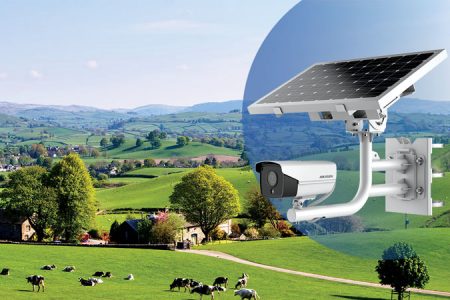
Satellite dish installation and maintenance are crucial to household, company, and institution connectivity in the ever-growing world of telecommunications. Satellites orbiting Earth transmit television feeds, internet access, and many data services. This detailed book covers satellite dish installation and maintenance, highlighting the technology, benefits, and best practices that keep us connected to the digital universe.
Understanding Satellite Dish Technology
Satellite dish systems include three main parts: the dish, the LNB, and the receiver. Satellites in geostationary or low Earth orbit beam signals to the satellite dish, which acts as an antenna. The receiver decodes these signals for usage on televisions, computers, and other devices after the LNB amplifies and transforms them.
Types of Satellite Dishes
- Parabolic Dish: The traditional dish with a curved surface, focusing signals towards the LNB.
- Flat Panel Dish: Sleeker and more compact, suitable for urban environments with space constraints.
- Motorized Dish: Can be adjusted to track satellites, ideal for users requiring signals from multiple satellites.
Satellite Dish Installation:
A. Site Choice:
- Pick a spot with a clear satellite view.
- Avoid signal-blocking tall buildings, trees, and other barriers.
B. Dish Mounting:
- Mount the dish securely to withstand wind and weather.
- Using a compass or satellite finder, align the dish exactly to the satellite.
C. Component Connections:
- Use high-quality coaxial wires to connect the LNB and receiver to the dish.
- Seal cables to prevent water damage and maintain signal integrity.
D. Satellite Dish Location:
- Based on satellite position relative to Earth, tilt the dish upward or downward.
- Adjust azimuth and elevation for precise alignment.
E: Satellite Dish Calibration
- Optimize installation signal strength using a satellite signal meter.
- Check receiver signal quality and make modifications.
Benefits of Satellite Dish Installation and Maintenance:
A. Many Channels:
- Satellite TV has many channels, including international and specialist.
- Sports, premium content, and HD programming are available.
B. Dependable Internet:
- Dispersed places can get reliable satellite internet.
- Users can get high-speed internet without cable or DSL.
C. Global Reach:
- Satellites connect even the most remote areas worldwide.
- Perfect for maritime, aviation, and emergency communications.
D. Signal Stability:
- With little signal loss, satellite dish systems provide high-quality broadcasts.
- Weather-related satellite signal disturbances are minimized.
E. Customization and Flexibility:
- Multiple satellite providers offer versatility in services.
- Satellite dish systems offer adjustable channel and subscription plans.
Conclusion:
Satellite dish installation and maintenance unlock a world of seamless communication and cross-border services. Satellite systems continue to provide reliable television, high-speed internet, and vital communication services as technology advances. Satellite dishes, whether on rooftops or in rural regions, connect us to the huge digital expanse above, demonstrating modern technology and communication. Users who choose satellite connectivity must grasp installation and maintenance to stay connected to the ever-growing digital communication universe.