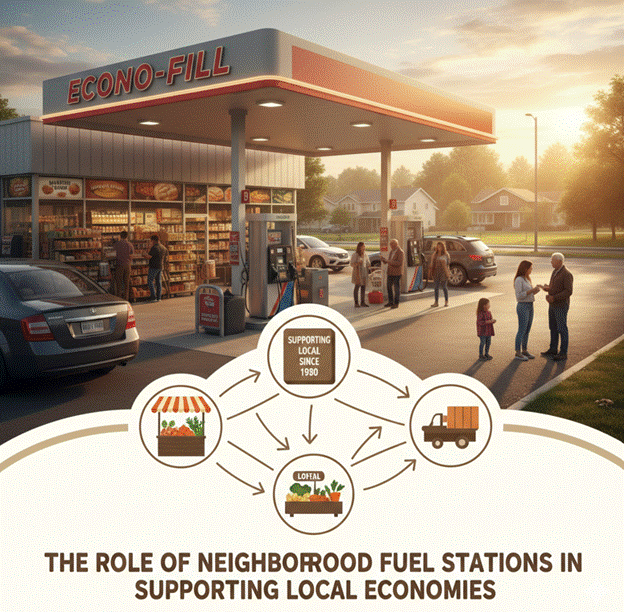
What used to be just quick fuel stops for motorists have evolved into a community hub for locals. Fuel stations provide vital support to the local economies by providing jobs, generating revenue, and fostering small business in the neighbourhood. We need to understand the multi-faceted role of these neighbourhood fuel stations. Let’s explore.
Local Employment
Neighbourhood fuel stations give employment to local residents boosting employment rates. A fuel station has a wide range of jobs such as cashiers, cleaners, petrol attendants and more that doesn’t require prior experience. It also offers various management positions. As electric vehicles (EV) are becoming a trend, fuel stations are adding charging points which creates employment for local technicians, installers, and maintenance workers.
These neighbourhood fuel stations are often owned by local franchises or independent dealers which encourages local businesses. The influence of stations goes way beyond fuel sales, they shape the economic rhythm of the local communities. Some fuel stations operate 24/7 creating additional employment opportunities.
Support for Small Businesses
Fuel stations in small counties or communities are more than just fueling stops, they act as crucial local economic hubs that provide high-traffic and convenient locations for logistics, commerce, and community engagement. These fueling stations partner with small businesses and foster local entrepreneurship.
If you are opening your small business around fuel stations, you will automatically benefit from them. Such fuel stations will increase the foot traffic in your store. Many fueling stations also offer additional services such as bill payment services, package pickup locations, and more which supports local businesses.
Local Capital and Management
The fuel station in your neighbourhood is owned or co-owned by local investors or families which means the start-up capital for the stations is from within the community. As the owners are local, the ongoing profits also remain within the community. Unlike large and distant corporations, locally owned fuel stations reinvest their earnings in the communities including businesses, property, and services.
Such reinvestments strengthen the local economic base. These fuel stations hire local people for their management positions which helps them make decisions that reflect community needs. The managers from the same locality understand customer preferences, local traffic patterns, and seasonal demands which allows businesses to respond quickly to change. They also hire local contractors and suppliers for maintenance, repairs and various other jobs.
Convenience and Essential Services
In this fast moving era, people look for convenience and fuel stations have understood this demand perfectly. Nowadays, most fuel stations also have integrated convenience stores that are beneficial to both fuel station owners and communities. The integrated convenience store offers additional employment opportunities to locals and enables small businesses, delivery drivers, and tradespeople to operate efficiently.
With integrated convenience stores fuel stations provide everyday essential services such as food, beverages, ATMs, car washes, basic vehicle supplies, air and water for vehicles and more. It allows locals to meet their daily needs close to home which saves their time and keeps the money circulating within the locality. With the help of convenience stores, fuel station owners can increase their average order value and turn their spot into a local community hub. It helps build a strong and loyal customer base.
Tax Revenue for Local Governments
Fuel stations also play a crucial role in generating tax revenue for local governments through sales taxes, fuel taxes, and business license fees which is a stable source of income for local authorities. Due to high and consistent demand for fuel and related services, local authorities collect these taxes regularly.
These taxes are used in funding public services and infrastructure which includes road maintenance, waste management, street lighting, schools, healthcare facilities, and public safety. Well maintained infrastructure benefits both residents and local businesses. Additionally, they also pay commercial property and convenience store taxes which also helps local governments.
Community Safety and Stability
As we already know that most fuel stations operate 24/7 which indirectly enhances community safety and stability. Fuel stations are high-visibility locations with surveillance, security and bright light which makes them safe havens or deterrence against crime in nearby areas. If your mobile battery is dead or you have other emergencies, then these stations act as emergency stops fulfilling needs and providing assistance in dangerous situations.
Modern day fuel stations are future ready community hubs that provide cleaner energy. They are part of a growing trend to transform traditional and isolated fuel stations into an integrated green community to enhance the local environment.
Conclusion: Fueling Local Futures
In the end, we can say neighbourhood fuel stations are one of the key drivers of local economies. They provide employment opportunities to locals, help local and small businesses, give tax revenue to local authorities that improve overall local infrastructure and services, and so much more. You can also consider them one of the pillars of local communities.