Introduction — The Fleet Management Problem No One Talks About
Here’s a scenario most fleet managers in India know too well.
It is 10:00 AM. There are 20 vehicles plying on the roads. A customer calls inquiring about the whereabouts of his/her delivery. You try to contact the driver – no reply. After repeated attempts, you get through to the driver who tells you that “he will be there shortly.” An hour passes and yet the delivery does not take place..
This is not a rare situation. It is a daily reality for thousands of fleet operators across India — and it is costing businesses enormous amounts of money, time, and customer trust every single day.
The solution is not hiring more staff to make follow-up calls. The solution is complete, live visibility over every vehicle in your fleet — and that is exactly what a Real-Time Vehicle Tracking System delivers.
What Is a Real-Time Vehicle Tracking System?
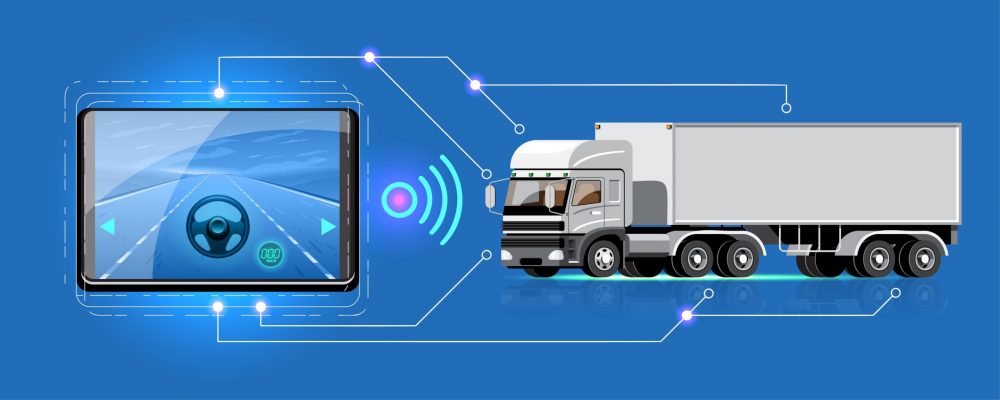
A Real-Time Vehicle Tracking System is a modern technology-based solution, enabled by GPS, which helps in keeping track of each and every vehicle in real-time concerning its current location, movements, speeds, and statuses, all from a single dashboard on the web or mobile device.
In contrast to the ordinary GPS system, which tracks only the past location data of a Vehicle, i.e., about an hour ago, the real-time tracking system offers constant updates of live data every 10-30 seconds.
But modern fleet tracking goes far beyond location. It integrates route optimization, driver behavior monitoring, geofencing alerts, fuel tracking, trip reporting, and customer communication — all in one unified platform that gives fleet operators complete operational control from anywhere.
How It Actually Works — Simpler Than You Think
Each vehicle has a GPS tracking unit fitted into it. The tracking unit receives signals from satellites, allowing for the determination of the exact location of the vehicle at all times. The data regarding the location of the vehicles is then sent to the cloud server via a cellular network.
The data is accessed by fleet managers using either a web browser or mobile application, where a dashboard displays all the vehicles, each represented in various colors according to whether it is moving, idle, or stationary, along with its speed and route information.
An alert is instantly sent to the fleet manager if any irregularities arise, such as the vehicle leaving the designated area, overspeeding, being idle for long periods, and taking a route that is not assigned to it. No delays. No guesswork. Just instant, accurate information delivered directly to your screen
Key Benefits That Fleet Operators Are Seeing Right Now
GPS Fleet Tracking is bringing about numerous benefits for fleet owners including:
Fleet Monitoring: All vehicles, all trips, and all movements can be monitored through a single dashboard display screen in real-time. The management is guaranteed to see a full picture of their operations.
Fuel Savings: The inefficiencies of bad driving like sudden accelerations, unnecessary idling, and inefficient routing cause wastage of fuel. This is detected quickly through fleet tracking, which helps reduce costs.
On-time Delivery: Real-time route monitoring enables the identification of any delay that may occur because of traffic or inefficiency in driving; re-routing is possible to ensure timely delivery of the goods to the customer.
Protection Against Theft: If there is any unauthorized usage of the fleet vehicle outside regular business hours, an alarm message will be generated to prevent any theft at all times.
Driver Accountability — How GPS Changes Behavior on the Road
One of the most significant — and often underestimated — benefits of a vehicle GPS system is what it does to driver behavior on the road.
With the knowledge that all of their driving habits will be tracked, the driver begins to behave differently.
This is not about distrust — it is about creating a transparent, accountable work culture that benefits both the business and the drivers themselves. Many fleet operators report that driver-related customer complaints drop significantly within the first few months of deploying a vehicle GPS system.
Beyond behavior, GPS tracking also helps in dispute resolution. If a client claims a delivery was never made, the system’s trip history provides verifiable, timestamped proof — protecting both the driver and the business from false claims without any argument.
How Live GPS Tracking Improves Customer Experience
In today’s competitive market, customers do not just want their deliveries — they expect to be provided with the exact time for delivery as well. And that’s where the GPS tracker comes into play, providing an efficient solution to this problem.
The use of real-time data from trackers helps organizations offer their clients reliable ETA estimates via SMS notifications, online tracking tools, or even dispatchers who can communicate the current status to them directly.
For logistics companies, courier services, and e-commerce delivery businesses in India, sharing live delivery visibility through a live GPS tracker is quickly becoming a standard customer expectation — not an optional add-on feature.
Fuel Monitoring — The Hidden Cost Saver in Every Fleet
Fuel is among the biggest expenses when it comes to running a fleet, and it is also the easiest one to abuse. This is where the fuel management system combined with GPS tracking proves itself to be a real innovation for fleets.
The fuel management system keeps an eye on how much fuel is left in the tank at all times, logs the usage per journey, and highlights any unexpected loss of fuel.
For large fleets operating across multiple cities, the annual savings from implementing a vehicle fuel management system can be substantial — making it one of the highest-return investments a fleet business can make without adding a single new vehicle.
Who Should Be Using This Technology Right Now?
Benefits of GPS Fleet Tracking System are almost immediate for all companies and different fleet sizes:
Transport and Logistics Organizations with fleets involved in long-distance or city delivery services get instant benefits from the full overview of their routes and on-time delivery performance.
Consumer Goods Manufacturers and Distributors operating regional vehicles and delivering goods to stores have instant gains from accountability and routing optimization since the start of usage of GPS systems.
Construction Companies with large machines and vehicles working at several construction sites simultaneously require real-time location data for efficient asset management.
Ambulance and Medical Care Services depend on live tracking to instantly send the closest vehicle in case of emergency situations when every second counts.
School Transport Operators use tracking systems to give parents live bus visibility and ensure student safety on every route throughout the academic year.
What to Look for Before Choosing a Tracking System
Not all tracking systems are equal. Before investing, here are the key factors every fleet operator should evaluate carefully:
Real-Time Update Frequency: Look for systems that update location every 10 to 30 seconds for genuinely live visibility — not systems that refresh every few minutes with stale data.
Alert and Notification System: Overspeed alerts, geofence violations, idle time warnings, and trip completion notifications should all be customizable and delivered instantly to your device..
Mobile Accessibility: The application needs to provide a clean mobile interface because the managers will have to keep track of their fleet wherever they go, without being stuck at a desk in the office.
Reports and Analysis: Reports on trip details, fuel consumption, performance of drivers, and distance travelled need to be easily available and easily exported for analysis.
System Integration Capability: The system must integrate flawlessly into your current applications, regardless of whether it is a fuel management application, a CRM system, or some other type of software that you currently use.
Customer Support: Customer support and guaranteed uptime for the system is absolutely essential when the system cannot afford to have any downtime and is critical to your operations.
Conclusion — The Future Belongs to Visible Fleets
The Indian logistics and transport sector is growing at an extraordinary pace. With that growth comes increasing pressure to deliver faster, operate leaner, and serve customers better — all at the same time.
A Real-Time Vehicle Tracking System is not a futuristic concept reserved for large corporations. It is a present-day operational necessity that smart fleet operators across India are already using to gain a measurable competitive edge every single day. It gets your vehicles back. It gets your fuel back. It gets your time back. But perhaps more than anything else, it gets your confidence back, enabling you to manage your fleet in an actively proactive manner rather than being reactive by hoping things are on track through the comfort of your office.