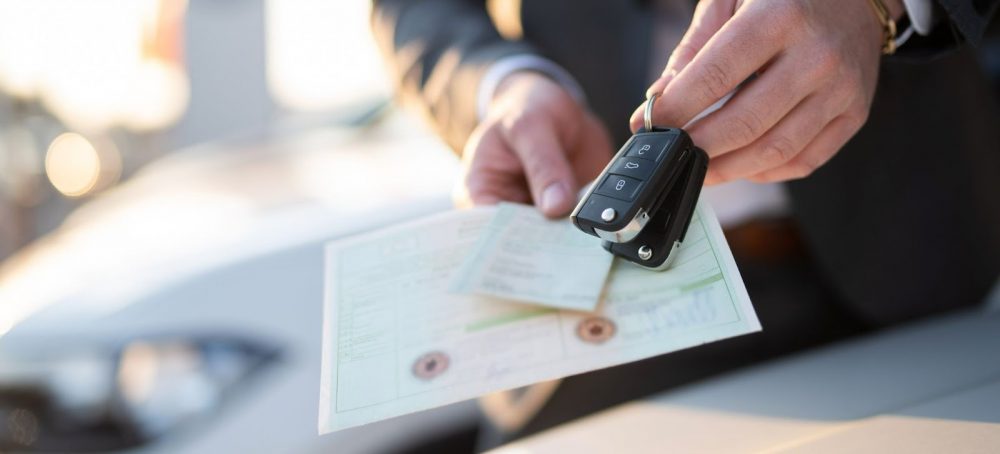
Have you ever pondered about how the registration certificate which is the RC full form in vehicles can help when buying a new vehicle, selling your old one, or ownership transfer? In India, RC (Registration Certificate) is an important piece of paper that conveys the ownership and registration particulars of a vehicle. It is the Office of Regional Transport (RTO) that issues this document, which also serves as a guarantee that the vehicle is registered per the law with the government authority.
In this ultimate guide for beginners, we will go over what the RC is, its importance, how it takes part in vehicle ownership, and how vehicle transfer takes place through Forms No. 29 and 30.
What is RC in Vehicles?
RC or Registration Certificate is a government document that legally connects the vehicle to the right owner. The vehicle’s entire important information is included in the document such as:
1. Name and address of the owner.
2. Number of registration of the vehicle.
3. Make, model, and type of vehicle.
4. Engine and chassis numbers.
5. Type of fuel used (Petrol, Diesel, Electric, etc.).
6. Date of registration and time till valid.
7. Kind of vehicle (private, commercial, etc.).
RC serves as evidence that the vehicle has been registered with RTO and is allowed on the roads for public use.
According to Indian law, all motor vehicles should possess a valid RC. Otherwise, no driving and heavy penalties along with legal complexities will be the result. So, if you are in the vehicle market as a buyer or seller, knowing the RC fullform in vehicle is one of the most crucial steps when dealing with ownership, transfers, or road compliance.
Why is RC Important?
An RC isn’t simply a document; it’s an official paper that confirms your legal right to the vehicle. Below are the main points why the RC matters in vehicles:
1. Legal Validation: An RC acts as a certificate to the vehicle that it has been registered legally with adherence to the norms given by the Motor Vehicle Act, 1988.
2. Ownership Details: It marks the vehicle’s legal owner, thus making sale, purchase, or transfer transparent.
3. Roadworthiness: The RC also states that the vehicle is safe for the roads and has passed the pollution test at the time of registration.
4. Vehicle Transfer: RC is a must for the transfer of ownership of a vehicle and it is required when applying for Form No. 29 and Form No. 30.
5. Mandatory for Insurance: A valid RC is necessary as proof of ownership to claim vehicle insurance.
6. Resale Process: The RC is handed over to the new owner together with other documents when the vehicle is sold.
What Are the Types of Registration Certificates?
Different kinds of RC are available depending on the vehicle’s purpose and category. The most common types are as follows:
1. Temporary Registration:
– A temporary registration is given by the manufacturers or dealers when a new vehicle is purchased and it is for a limited time (usually 30 days).
– This temporary RC should be changed to permanent registration from the RTO during its validity period.
2. Permanent Registration:
– It is issued after the vehicle’s registration in the RTO has been completed.
– This registration is valid for 15 years for private vehicles, after which renewal every 5 years is required.
3. Duplicate RC:
– A duplicate RC is given only when the original is either lost, stolen, damaged, or misplaced.
4. RC for Commercial Vehicles:
– Registration is provided to the vehicles whose use is for business or the transportation of goods catering to the commercial needs of vehicles.
How does one go about getting an RC?
To get hold of the RC, the applicant has to do the vehicle registration process at the nearest RTO by going there physically. Below is the given procedure for vehicle registration:
1. Make sure you have collected all the required documents:
– Identity proof (Aadhar, PAN Card, Passport, etc.).
– Address proof (Utility Bills, Rent Agreement, etc.).
– Purchase Invoice and Road Tax Receipt.
– PUC Certificate (Pollution Under Control).
– Vehicle insurance papers.
– Temporary RC supplied by the dealer (if any).
2. Attend the RTO:
– Go to the RTO office and hand over the mandatory documents.
3. Vehicle Inspection:
– The RTO officials perform a visual check of the vehicle for emissions, safety, and manufacturing standards.
4. Payment of Fee:
– The registration fee and road tax applicable are to be paid.
5. Receive Your RC:
– The permanent RC in digital or physical format is going to be given to you after the registration process is completed successfully.
Vehicle Transfer Process – Buying and Selling Made Simpler
The ownership transfer when selling or buying a vehicle is a necessary legal step to make sure that the vehicle has been transferred to its new owner. The vehicle transfer form no 29 & 30 as provided by the Ministry of Road Transport and Highways for the vehicle transfer process.
What is Form No. 29?
The submission of Form No. 29 is required for the Notice of Transfer of Ownership, that is, the seller of the vehicle. The purpose of the notification is to inform the RTO about the sale. Information regarding the vehicle, the seller, and the buyer are included in it.
What is Form No. 30?
Form No. 30 is the Application for Transfer of Ownership submitted by the buyer. This form requests the RTO to officially transfer the ownership and update the RC to reflect the buyer’s name as the new owner.
Steps for Transfer of Ownership
The entire process of vehicle transfer tends to follow these rules:
Step 1: Collect Required Documents:
– The vehicle’s original RC.
– Copies of buyer’s and seller’s ID proofs.
– Insurance documents.
– Pollution Under Control (PUC) certificate.
– Two copies each of Form No. 29 and Form No. 30.
– Road tax payment receipts.
Step 2: Complete Form No. 29 and 30:
It is necessary that both forms be filled out and the seller and the buyer sign them, respectively. The RTO will be provided with these forms to signify that all details concerning the vehicle and the involved parties are being disclosed to them.
Step 3: RTO Forms Submission:
Present the finished forms and necessary documents at the RTO office where the vehicle was first registered.
Step 4: Fees for Transfer Payment:
Transfer fees will be different based on the vehicle, registration state, and RTO rules.
Step 5: RTO’s Confirmation:
The RTO will check the details of the transfer of ownership, look at the buyer’s driving license, see if road tax is paid, and check if insurance is still valid.
Step 6: Get New RC:
After the new RC is approved, it is issued with the buyer’s name and sent to them electronically or via mail.
RC Transfer for Various Situations
The transfer of ownership can occur not only when the vehicle is sold. It also can occur in various situations such as:
1. Transfer of RC between States:
– When a vehicle has to be transferred to another state, it is necessary to issue a No Objection Certificate (NOC) to update the RC with the new RTO information.
2. Legal Inheritance:
– If the vehicle was inherited, the new owner can transfer the RC by submitting the proof of succession and the original documents of the deceased owner’s.
3. Vehicle Disposal:
– In the case of the disposal of vehicles, the RC is invalidated as well as the RTO being informed about the details.
Digital RC – The Future of Registration
Digitization has gone a long way that RCs are now available in digital ways. The government’s launch of DigiLocker and Parivahan App has made digital RCs accessible for vehicle owners on their mobile phones. It means that one does not have to carry physical documents while driving and at the same time, the risk of loss or damage is avoided.
Final Thoughts
No matter what, whether you are a new buyer or an old car owner, the RC full form in vehicles and the vehicle transfer process are necessary for legal and smooth vehicle ownership. This guide points out every step involved whilst also emphasizing Forms No. 29 and 30 for the transfer of ownership.
Make sure that you keep your RC updated, valid, and safe – after all, it is the main document that links you to your vehicle!