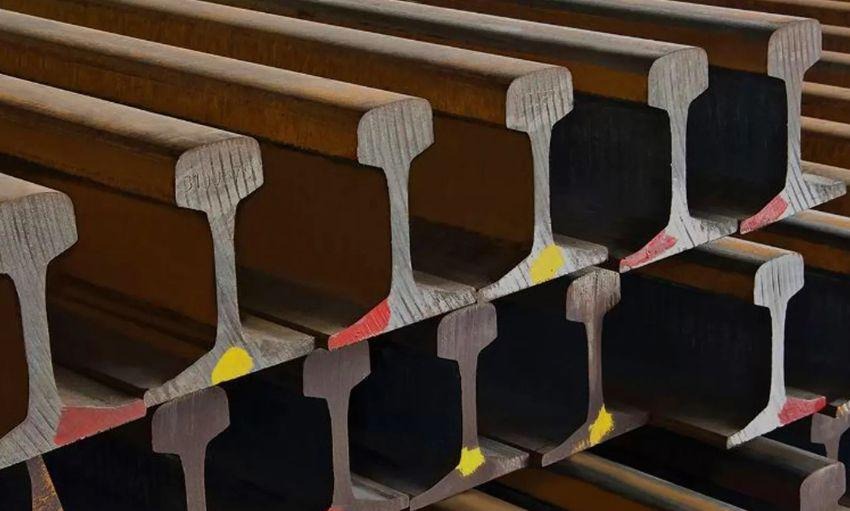
Rails in a railway network constitute the spinal cord of the network. The quality of the rails directly impacts railway safety, comfort, capacity, and maintainability. RAILS IN India are manufactured in well-set guidelines to support high axle loads, rising train speeds, and different conditions. This is where rails manufactured as per IS and CR specifications become essential.
This article explains what IS and CR specifications mean, the common grades used, and where these rails are applied across railway and industrial infrastructure.
What Are IS and CR Specifications?
Indian Standard (IS) for Rails
Indian Standards for rails are issued by the Bureau of Indian Standards (BIS). These standards specify:
- Chemical composition limits
- Mechanical properties such as tensile strength and hardness
- Dimensional tolerances
- Inspection and testing requirements
IS standards ensure that rails produced by different manufacturers maintain consistent quality and performance across the country.
CR Specification Explained
CR (Central Railway) specifications are additional technical requirements followed by Indian Railways. These specifications often go beyond IS norms and focus on:
- Improved wear resistance
- Better fatigue performance
- Tighter dimensional and quality tolerances
Rails supplied as per IS and CR specification must comply with both BIS standards and railway authority requirements, making them suitable for demanding rail operations.
Key Characteristics of IS and CR Specification Rails
Rails manufactured under IS and CR specifications are designed for long-term performance under continuous stress. Their key features include:
- High strength to support heavy rolling loads
- Excellent wear resistance for extended rail life
- Good toughness to prevent cracking and breakage
- Uniform chemical composition for predictable performance
These characteristics help reduce track failures, maintenance downtime, and replacement frequency.
Grades of Rails as per IS and CR Specification
Different rail grades are used depending on traffic density, axle load, and operating conditions.
Carbon Steel Rail Grades
Carbon steel rails are commonly used on conventional tracks. They offer:
- Reliable strength
- Good machinability
- Cost-effective performance
These grades are suitable for medium-traffic routes and industrial sidings.
High-Strength Rail Grades
High-strength rails are developed for:
- Heavy freight corridors
- High-speed rail routes
- Curves and stress-prone track sections
They provide improved resistance to wear and deformation.
Heat-Treated Rail Grades
Heat-treated rails undergo controlled thermal processing to enhance:
- Surface hardness
- Fatigue resistance
- Rail head durability
Such rails are preferred in high-traffic and high-impact zones where service life is critical.
Dimensional Accuracy and Rail Sections
IS and CR specification rails are manufactured in standardized profiles and lengths. These include:
- Precise cross-sectional dimensions
- Controlled straightness
- Smooth surface finish
Accurate dimensions ensure proper rail alignment, effective load distribution, and compatibility with sleepers and fastening systems.
Testing and Quality Control
Strict testing is mandatory for rails supplied as per IS and CR specification. Common tests include:
- Chemical composition analysis
- Tensile and hardness testing
- Ultrasonic and non-destructive testing
- Visual and dimensional inspection
Only rails that meet all acceptance criteria are approved for use, ensuring safety and consistency across railway projects.
Applications of IS and CR Specification Rails
Railway Tracks
The primary use of these rails is in:
- Passenger railway lines
- Freight corridors
- High-density rail networks
Metro and Rapid Transit Systems
Urban rail systems require rails that can handle:
- Frequent train movement
- Reduced vibration and noise
- Long service life with minimal maintenance
Industrial and Private Sidings
Industries such as ports, steel plants, and mining operations use these rails for:
- Material handling tracks
- Internal transport systems
Infrastructure and Engineering Projects
Rails are also used in:
- Crane rails
- Temporary track installations
- Heavy engineering applications
Why IS and CR Compliance Matters
Using rails that meet IS and CR specifications ensures:
- Improved operational safety
- Lower maintenance and lifecycle costs
- Compliance with Indian Railways norms
- Long-term reliability under heavy service conditions
Non-compliant rails may lead to premature wear, failures, and higher operational risks.
Conclusion
Rails as per IS & CR specifications are playing an important role in developing a strong, safe, and efficient rail system for India. There was a need for these rails to be designed according to specified standards, grades, and tested perfectly so that it can work efficiently under tough conditions. Selecting the appropriate specifications and grades would lead to increased efficiency and safety.