- Indoor air can be 5x more polluted than outdoor air.
- Use MERV 11–13 or HEPA filters for better air quality.
- Clean strategically – weekly cleanses at a minimum.
- Air purifiers are essential.
- Balance humidity to avoid mold and excessive dryness.
Since when has air become a commodity? Nowadays, the quality of the air you breathe might be compromised. And it isn’t about comfort; it’s a health necessity. Chronic fatigue? That could be because of the air. Protecting your indoor air quality is just as important as following other simple health care tips for daily wellness.
You might think shutting the windows is enough. That it keeps the bad air out. Indoor air can be a whopping five times more polluted than the air outside. So how do you protect your family against the invisible? Let’s walk through it.
Why Indoor Air Quality Matters
Air pollution isn’t just an outdoor menace. Cooking fumes, pet hair, mold spores, and even furniture can release harmful gases. You might not be affected. But kids? The elderly? People with allergies? It affects them all.
Is poor indoor air quality serious? Of course. It can lead to throat irritation, constant headaches, asthma, specific cancers, or cognitive deficits. And in cities where air pollution is horrible, your home, at least, needs to feel like a safe haven. Not a second source of exposure.
Start with Ventilation
Let’s begin with the basics. Good airflow is your first and probably best line of defense.
- Keep those windows open when there’s low pollution. Ideally, early afternoons.
- Don’t keep exhaust fans for show. They remove moisture and fumes.
- Cross-ventilate. Open windows on the opposite sides of your home.
- If the Air Quality Index (AQI) is poor or worse, keep the windows shut. Trust your handy air purifier instead.
Upgrade Your HVAC Filters
Your HVAC system? It may be trapping pollutants or circulating them. On the air quality side, ensure your HVAC system is designed to handle higher MERV-rated filters if indoor air quality is a concern, which is particularly important for homes with pets, smokers, poor outdoor air quality, or family members with asthma and allergies.
Bring the Plants Inside
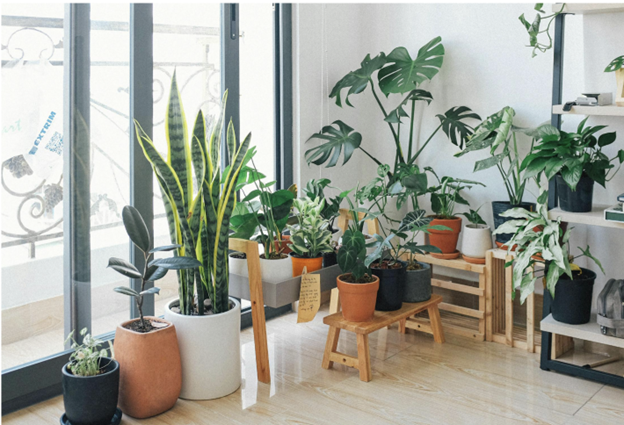
Some houseplants do more than beautify your space; they can help purify the air. NASA’s Clean Air Study actually found that specific plants can absorb toxins like benzene, formaldehyde, and trichloroethylene.
Top picks? Large planters for plants are always a good idea. Go for:
- Areca Palm: Great for humidifying and filtering air
- Snake Plant: Hardy and effective at night
- Peace Lily: Removes VOCs and mold spores
Consider placing herb planters on windowsills where they’ll receive adequate sunlight while actively filtering the air you breathe. This strategic placement maximizes both plant health and air purification benefits.
Just don’t overwater. Damp soil, after all, breeds mold.
Go Natural
Do you know what the air doesn’t love? Synthetic air fresheners. They’re not good for you, and they’re definitely not good for the environment. What instead?
There are plenty of natural alternatives. Think activated charcoal bags. They absorb odors and toxins. Bamboo charcoal is long-lasting and environmentally friendly. And even though there’s no proper consensus on salt lamps, they might be ideal to reduce airborne particles.
And if you like a good-smelling home, not to fear. Simmer cinnamon sticks with cloves and citrus peels. It will make your home smell amazing!
Clean Smarter, Not Just More Often
What do dust and allergens love to do? Hide in plain sight. How can you prevent that? Vacuum with a HEPA filter at least twice a week. Mop floors with microfiber cloths to trap all those fine particles. Wash your bedding weekly. Hot water is a plus since it kills dust mites.
Declutter. Less stuff means fewer surfaces for dust to settle. And don’t forget your curtains, rugs, and upholstery. They’re often the biggest dust traps.
Invest Smartly
If you live in a high-pollution zone, a HEPA-certified air purifier is a must. Look for models with true HEPA filters (not “HEPA-like”). Activated carbon filters help with odors and gases. CADR ratings have to be ideal for your room size. Place purifiers in bedrooms and living areas for maximum impact.
Conclusion
Clean air shouldn’t be a luxury. It’s a necessity, at the end of the day. Upgrading your HVAC filters or adding a few leafy greens can make a real difference. And when will you see this? When your family is healthier and more energetic.
In a world where the air outside can be unpredictable, your home shouldn’t be. Start small. Swap out your air fresheners. Vacuum with a HEPA filter. Add a peace lily to your child’s room. Do small things today for better air tomorrow.