A car is a lot more than just a means of transportation; it’s an investment. You wash it, hand-dry it, and even wax it. However, everyday driving exposes the vehicle’s paint to scratches, sun damage, rocks, road salt, bird droppings, and bugs. Over time, all these factors can wear down the paint job. It has also been reported that about 30% of all car damage takes place due to road debris.
These impacts do not just look awful, but they can expose bare metal and lead to rust over time. That’s where paint protection comes in. Currently, the two most well-known options are PPF paint protection and the Nano Ceramic Coating. Both options help maintain appearance, but they function very differently. This post offers a clear explanation of both of them, so that you can pick the one based on your car’s needs.
PPF Paint Protection: A Brief Understanding
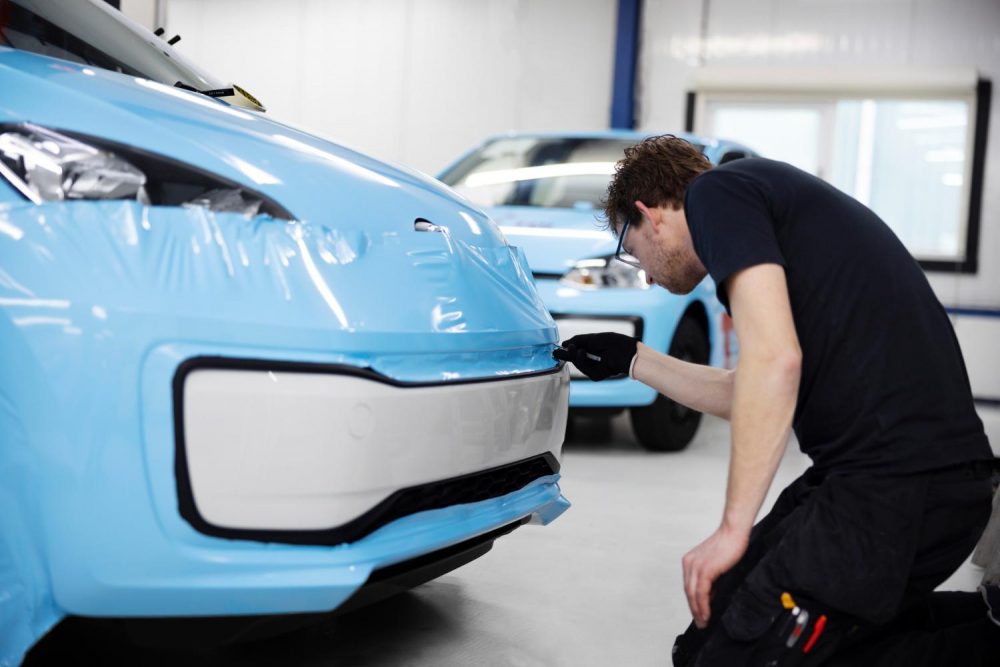
Paint Protection Film, or PPF, is a thick and clear plastic film that gets applied directly to the painted surface of the car. Think of it as a nearly invisible shield.
The film safeguards the vehicle against physical damage such as:
- Bug impacts
- Rock chips
- Abrasions
- Scratches
PPF, or paint protection film, is typically made from thermoplastic urethane materials that can easily absorb the impacts. Some of the top-tier PPFs come with self-healing qualities. This means small swirls and scratches can disappear when exposed to heat or sunlight. PPF can also be applied to the entire vehicle or just to all the highly impacted areas, such as fenders, side mirrors, hood, and front bumper.
Understanding the Nano Ceramic Coating
Nano ceramic coating is a liquid coating applied to your car’s paint. When it cures, it forms a hard, glass-like layer on top of your paint.
Ceramic coating primarily protects against:
- UV rays
- Water spots
- Light chemical stains
- Dust
It makes your car easier to wash because the surface becomes slick and hydrophobic (water-repelling). However, ceramic coating does not protect well against rock chips or deep scratches. The ceramic coatings can make surfaces up to nine times more resistant to scratches than uncoated paint, but this is for light surface scratches only, not heavy impacts.
When Does PPF Become the Right Choice?
Below are some situations where PPF makes the most sense for cars:
- You Drive on Highways Often: Highways can increase the chances of debris and rocks hitting the car. PPF can help prevent the chips from reaching the actual paint on the car.
- You Need Maximum Protection: When the vehicle is new, a luxury model, or expensive, the PPF provides the strongest defence against physical damage.
- You Plan to Keep the Car for a Long Time: PPF can safeguard it for many years. If you aspire to preserve the original paint and value of your car, PPF offers a reliable and long-lasting solution.
When Does Ceramic Coating Become the Right Choice?
The ceramic coating is a smart option for your car due to the following reasons:
- You Want a Beautiful and Easy-to-Maintain Finish: Ceramic coating makes your car shine and makes washing much easier.
- Your Main Concern Is Sun and Environmental Damage: The sun’s UV rays can fade your paint over time. Ceramic coating has strong UV resistance.
- You Drive Mostly Around Town: If you don’t do long highway trips and mostly drive in city areas, ceramic coating gives great everyday protection.
Conclusion
Your vehicle’s paint deserves excellent protection. The PPF stands out as an ideal choice when you need a top-tier safeguard from impacts, scratches, and rocks. But the nano ceramic coating for cars is a great option when you need a glossy finish paired with good protection against sun damage. Also, you can use both for complete protection. When you are unsure, talk to an expert installer who can easily assess your driving needs and style. For expert advice and even quality paint protection solutions, consult Apex Motor Trends for professional guidance and installation.