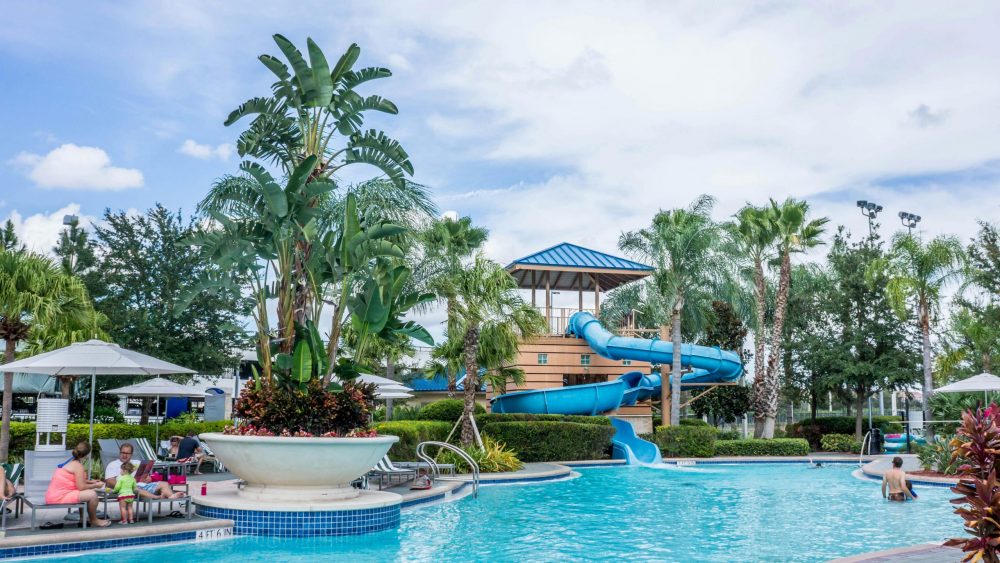
Clean pool water is essential for the health and comfort of users. If you’re wondering how to achieve safe and clear water for your outdoor pool, read this article. You’ll discover what to do before filling the pool to ensure pristine, pleasant water for swimming. This article also explains the steps to take once the pool is filled to prevent algae and cloudy water, so everyone can enjoy a refreshing dip. Happy reading!
Before filling the pool with water
How to prepare the pool for filling in terms of water?
To obtain clean water in your swimming pool , several steps are necessary. First, before filling the pool, it’s crucial to prepare the surface. Thoroughly clean the pool by removing all debris that could affect the water’s cleanliness . Large particles such as leaves, branches, or pet hair should be swept or picked up by hand. Next, to remove any remaining dirt, such as footprints or animal droppings, use a mop and sponge. In case of significant pollution, it’s advisable to use a pressure washer. If the pool is covered in algae that cannot be removed with a pressure washer, it’s helpful to use chlorine- based products, which will easily eliminate the green stains within minutes of application.
After filling the pool with water
How to maintain the pool water once it is filled?
Have you filled your pool? Do you want your pool water to be blue ? Discover how to care for your pool water. Learn what actions to take regularly to keep your pool water clean, clear, and odorless, and above all, to ensure safe swimming. Here are the various processes we call pool water treatment.
Cleaning the pool water with UV sterilizers
Is the use of UV lamps effective for water cleanliness?
Cleaning pool water with UV sterilizers is an effective method for eliminating bacteria, viruses, and algae. UV rays destroy the DNA of these microorganisms, preventing their reproduction and providing an effective form of pool water disinfection . UV sterilizers are increasingly used in pool facilities due to their effectiveness and safety. An additional benefit is that UV sterilization does not introduce any harmful chemicals into the water, thus improving water quality for users. Furthermore, UV sterilizers are easy to operate and require minimal maintenance, making them a cost-effective long-term solution. Thanks to UV sterilizers , pools can offer clean and safe water to users, enhancing their comfort and satisfaction. Examples of UV sterilizers available from Nordic-Tec suitable for this purpose include:
- 110W UV sterilizer
- 330W UV sterilizer
Pool chemicals – Protect water from algae, adjust pH and color, and neutralize bad odors
What do you need to know about pool chemicals? Are they necessary?
Discover which chemicals to use to maintain clean pool water . Pool chemicals must protect the water from algae growth, ensure proper pH and color, and neutralize unpleasant odors. By choosing the right chemicals, you can effectively maintain pool cleanliness and provide users with comfortable swimming conditions. It is advisable to invest in professional water treatment products, such as chlorine, pH reducers or adjusters, algaecides , and odor neutralizers. Well-balanced chemicals will help keep the water safe for swimming, without the risk of allergies or skin irritations. By monitoring your pool water parameters , you can enjoy a pleasant swim in a clean and safe environment.
Important Note: Get expert Pool Acid Removal in Scottsdale AZ to restore clear, balanced, and safe pool water. Professional service that removes stains, balances pH, and protects your pool.
How to protect pool water from algae?
Algae in the swimming pool is an obvious problem. How to solve it?
Algae in the pool are unsightly. They make the water cloudy, lose its clarity, and start to give off an unpleasant odor. To protect pool water from algae , several actions are essential. First, ensure adequate water filtration through regular cleaning and maintenance of the pool filter. Also, maintain an appropriate chlorine level in the water , as chlorine acts as a disinfectant, preventing algae growth. In addition, regularly add algaecides specifically designed to help prevent algae from forming in the pool.
It is also important to cover the pool to prevent pollen, leaves, insects, or other debris from entering, as these can decompose and accelerate algae growth. Avoiding excessive water pollution from external factors can help keep pool water clean and limit algae proliferation. All these actions should be carried out regularly to achieve safe and clean pool water , allowing all users to enjoy a pleasant and healthy swim.
What pH level should the pool water have?
Pool water pH – what is the optimal level?
Maintaining the correct pH level in your pool water is key to keeping it clean and safe. Pool water should have a pH between 7.0 and 7.4, which indicates a neutral or slightly alkaline level. A proper pH is essential because it influences the effectiveness of disinfection chemicals, such as chlorine. A pH that is too low can lead to corrosion of pool components, such as pipes and pumps, as well as skin and eye irritation for users.
Conversely, a pH that is too high can cause limescale deposits on pool surfaces and reduce the effectiveness of water disinfection . Therefore, it is important to monitor the water’s pH regularly and use corrective products when necessary. While maintaining the correct pH level in your pool may seem challenging, it is a crucial step in ensuring the pool is clean and safe for all users.
How to clarify swimming pool water?
How to get clear, blue pool water?
Do you want clear, blue pool water ? If the water becomes cloudy and takes on a whitish tint, it needs to be clarified to restore its desired parameters. To do this, you must clean the walls and bottom of the pool to remove impurities that can cause cloudiness. Intensive filtration is also crucial, as it will help remove the small particles responsible for the pool’s turbidity. In some cases, it may be necessary to use clarifying products specifically designed to eliminate suspended particles and restore the water’s transparency. Also, ensure that the water’s pH is correct to guarantee the effectiveness of the clarifying products. Regular maintenance of the filtration system and proper water treatment will allow you to maintain clean, clear pool water.
Conclusion
Maintaining clean pool water is essential for a pleasant and safe swimming experience. Before filling your pool, ensure you clean the basin thoroughly and use appropriate cleaning products to prevent contamination. After filling, effective filtration, the use of UV sterilizers and chemicals, along with regular monitoring of pH and chlorine levels, are necessary to guarantee clean and clear water. By following these tips, you can enjoy pool water that remains fresh, pleasant, and safe for all users.