Automation has become the foundation of modern industry, and no area demonstrates this better than smart manufacturing. At the heart of this transformation lies the Pneumatic Control System, a vital technology that uses compressed air to control machinery, processes, and production lines efficiently.
This system has played a crucial role in shifting manufacturing from traditional, manual operations to intelligent, connected systems that respond in real time. With industries demanding greater precision, reliability, and sustainability, pneumatics has evolved beyond simple actuation—it now integrates with sensors, controllers, and digital interfaces to deliver smarter, more energy-efficient operations.
The Foundation of Pneumatic Control Systems
APneumatic Control System operates using compressed air as its power source, driving motion through cylinders, valves, and actuators. This setup converts air pressure into mechanical energy, which then powers a wide range of applications such as material handling, assembly, and packaging.
For decades, pneumatics has been valued for its simplicity, durability, and safety compared to electrical or hydraulic systems. However, what sets today’s systems apart is the addition of intelligent sensors and networked control modules. These upgrades enable manufacturers to collect real-time performance data, monitor air pressure, and detect irregularities before they cause system downtime.
As industries move toward predictive maintenance and data-driven decision-making, the integration of pneumatic systems into smart manufacturing environments has become a natural progression.
Smart Manufacturing and the Rise of Connected Systems
Smart manufacturing emphasizes connectivity, automation, and continuous improvement. In this setting, pneumatic systems have evolved to work hand-in-hand with industrial Internet of Things (IIoT) technologies.
Modern sensors embedded within pneumatic devices can now send data to central control systems. This data provides insights into energy consumption, airflow efficiency, and component health. For instance, when pressure levels deviate from optimal ranges, the system can automatically adjust operations or alert maintenance teams.
This kind of intelligent responsiveness is essential in maintaining consistent production quality, minimizing downtime, and improving safety standards. Pneumatic systems, once considered basic mechanical tools, have now become an integral part of industrial automation ecosystems that communicate, learn, and optimize performance.
Efficiency, Safety, and Sustainability in Focus
In industries such as automotive, food processing, and electronics manufacturing, efficiency and safety are top priorities. Pneumatic systems are inherently safe, as they operate on air rather than flammable or high-voltage sources. This makes them particularly suitable for environments where electrical hazards or contamination must be avoided.
Moreover, advanced control mechanisms help reduce energy waste by maintaining optimal pressure levels and minimizing air leaks—one of the most common inefficiencies in older pneumatic setups. Smart monitoring solutions can quickly identify where maintenance is required, preventing both overuse and unexpected breakdowns.
These sustainable practices not only extend equipment life but also align with modern environmental standards that demand reduced energy consumption and carbon footprint.
Role of Maintenance and Overhaul Services
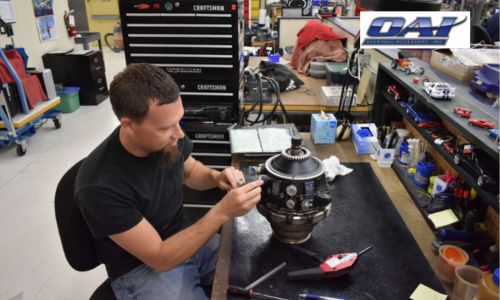
Even with technological advancement, maintenance remains a cornerstone of operational reliability. As pneumatic systems are often part of critical production lines, their upkeep requires expertise and precision. Companies offering maintenance and overhaul solutions play a major role in supporting smart manufacturing environments.
For example, an Overhaul Company in Florida might handle comprehensive system inspections, component replacements, and recalibrations. Such services ensure that all pneumatic components—from valves to compressors—are performing at peak efficiency. Regular overhauls can help prevent system inefficiencies, reduce energy costs, and maintain safety compliance.
By integrating maintenance schedules with digital monitoring systems, these companies enable predictive maintenance—repairing parts before they fail. This reduces downtime and increases productivity, both essential goals for any manufacturer aiming to remain competitive in a technology-driven landscape.
Integrating Pneumatics with Industry 4.0 Technologies
The evolution of the Pneumatic Control System reflects the broader principles of Industry 4.0—automation, data exchange, and intelligent systems. Through IoT connectivity, pneumatic components now communicate seamlessly with programmable logic controllers (PLCs) and cloud-based analytics platforms.
For example, smart sensors can send live data on system pressure, air quality, and temperature to digital dashboards. Managers can then access this data remotely, allowing for immediate decisions on maintenance or process optimization.
Furthermore, integrating pneumatics with robotics and automated handling systems enhances flexibility on production floors. Machines can be quickly reconfigured to adapt to new tasks, making production lines more versatile and responsive to demand changes.
This shift not only boosts efficiency but also supports mass customization — a growing trend in modern manufacturing where tailored products are produced at scale.
The Future of Pneumatic Innovation
Looking ahead, the future of pneumatic systems lies in combining traditional reliability with emerging technologies such as artificial intelligence and advanced materials. AI-driven analytics may soon allow pneumatic systems to self-diagnose issues or predict component wear with remarkable accuracy.
In addition, new lightweight materials and hybrid designs could improve efficiency while reducing energy usage. As industries strive toward sustainability and smarter production, pneumatic systems will continue to evolve as one of the most adaptable and eco-friendly automation solutions available.
Conclusion
The Pneumatic Control System stands as a cornerstone of modern smart manufacturing — bridging the gap between mechanical reliability and digital intelligence. Its adaptability, safety, and integration capabilities make it essential for industries striving to optimize performance while reducing operational costs.
As automation deepens its roots in industrial processes, pneumatics will remain at the forefront of efficiency and innovation. Supported by skilled maintenance providers like an Overhaul Company in Florida and ongoing technological advancements, pneumatic systems are set to play an even greater role in shaping the factories of the future — where every movement, every breath of compressed air, contributes to smarter, cleaner, and more sustainable manufacturing.