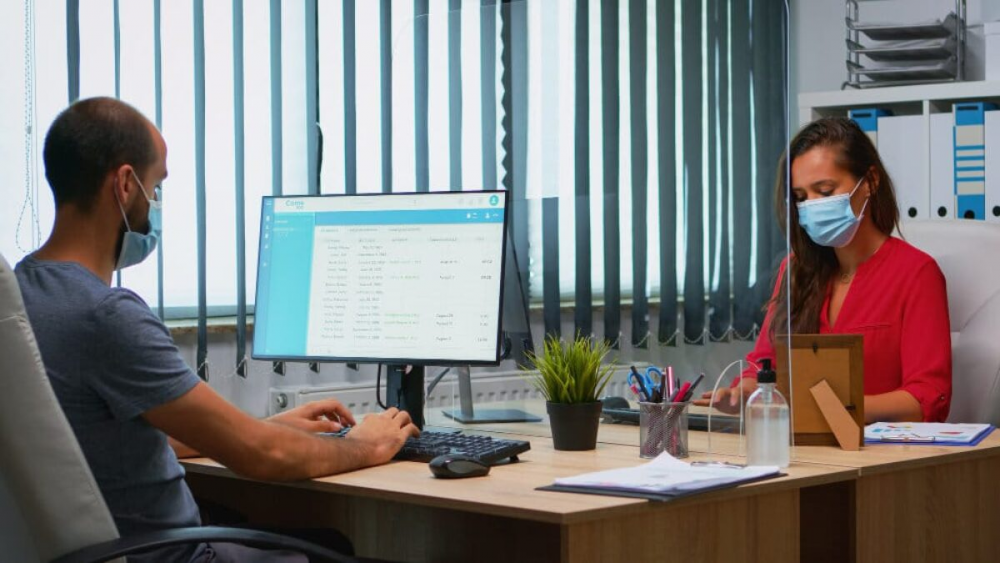
If you work in healthcare billing, you’ve likely wondered about Place of Service 22 and why it matters so much. You may notice claims getting denied or paid differently based on this code. This article will help you understand what Place of Service 22 is, how it affects billing, and what you can do to avoid costly mistakes.
We’ll also explore how CareSolution MBS helps providers handle this correctly in their billing workflows.
What Is the Place of Service 22?
Place of Service 22 is a two-digit code used on professional claims to show where a medical service happened. It tells the insurance company that the care was given in a hospital’s outpatient department but not as an inpatient.
Here’s a simple way to think about it:
- Outpatient means the patient did not stay overnight.
- On-campus means the service happened inside the hospital’s main grounds or connected buildings.
So, if someone gets imaging, therapy, or a procedure at a hospital outpatient area, Place of Service 22 is used.
Why This Code Matters for Medical Billing
Knowing the right code is not just filling a box. It changes how much a provider gets paid and whether the claim goes through smoothly.
Here’s why it matters:
1. Affects Reimbursement Amounts
Insurance pays differently based on where care happened.
- Hospital outpatient (POS 22) usually pays at a different “facility” rate.
- Private office (POS 11) pays at a “non-facility” rate.
If you bill the wrong code, you may get less money than you expected.
2. Helps Prevent Denials
Using the wrong code can lead to claim denials or delays. If documentation doesn’t match the code, payers often reject claims and ask for corrections.
3. Influences Patient Cost-Sharing
Because of higher facility fees, patients may pay more copays or coinsurance when billed under Place of Service 22 compared to a doctor’s office visit.
Where Place of Service 22 Is Used
You may see Place of Service 22 in settings like:
- Hospital outpatient clinics
- Imaging departments (MRI, CT scans)
- Same-day surgery units
- Rehab and therapy centers on a main hospital campus
These areas are not inpatient wards but are part of the hospital’s main operations.
What Happens With the Wrong Code?
If you bill the wrong place of service, these problems may happen:
Claim Denials
Payers may deny the claim outright or ask for corrections.
Payment Delays
Incorrect coding means extra reviews, slowing down payment.
Revenue Loss
Billing at the wrong rate can cost your practice money.
Compliance Risks
Wrong codes trigger audits and compliance issues.
Common Challenges With POS 22
Even experienced billing teams may get stuck with:
Confusing Locations
Sometimes an outpatient department looks like a clinic but is part of the hospital.
Documentation Issues
Payers want proof the service was on campus.
Split Billing
You may need to file separate claims for facility fees and professional fees.
Best Practices for Billing Place of Service 22
Here are simple steps to get it right:
Check Facility Location
Confirm the service occurred inside the hospital’s main campus or connected buildings.
Update Your Billing Software
Map each site to the correct POS code.
Train Your Team
Help staff understand the difference between outpatient and office settings.
Clear Documentation
Make sure patient records clearly show where the service happened.
How CareSolution MBS Helps
At CareSolution MBS, we know how much Place of Service 22 affects your revenue and efficiency.
Our expert team improves claim accuracy by:
✔ reviewing where each service was delivered
✔ training your billing staff on correct codes
✔ reducing denials due to POS mistakes
✔ improving overall medical billing services performance
We also support laboratory billing services and physician billing services so your entire revenue cycle runs smoothly.
CareSolution MBS encouraged many practices to adopt clearer routines for outpatient hospital claims. This has helped clinics avoid costly errors and get paid faster.
Place of Service Codes Related to POS 22
Here are some common place codes you may see:
| Code | Meaning |
| 11 | Office – medical office visit |
| 21 | Inpatient hospital |
| 22 | Outpatient hospital (main campus) |
| 23 | Hospital emergency room |
| 24 | Ambulatory surgical center |
Knowing the right code saves time and money.
How it Helps Your Practice
You may notice that accurate coding:
- reduces claim rework
- brings faster payments
- improves cash flow
- lowers audit risk
Even small mistakes can add up over time. Getting Place of Service 22 right can make a big difference.
Final Thoughts
Place of Service 22 may seem like a small code, but it has a big impact. It tells payers where care happened and how much they should pay. Billed correctly, it improves cash flow and patient satisfaction. Billed wrong, it causes delays, denials, and financial loss.
If you want better revenue results, accurate claim submission, and fewer denials, think about how CareSolution MBS supports your team’s medical billing services with the right training and tools.
FAQs
Q: What does Place of Service 22 mean?
It means the service happened in a hospital’s outpatient area on the main campus.
Q: Why does POS 22 matter for claims?
It affects how much providers get paid and whether claims are accepted.
Q: Can POS 22 increase patient costs?
Yes, it can raise copayments and coinsurance because of facility fees.
Q: Should documentation always match the code?
Yes. Documenting the exact site helps avoid denials.
Q: How is POS 22 different from POS 11?
POS 11 is a doctor’s office. POS 22 is an outpatient hospital setting.