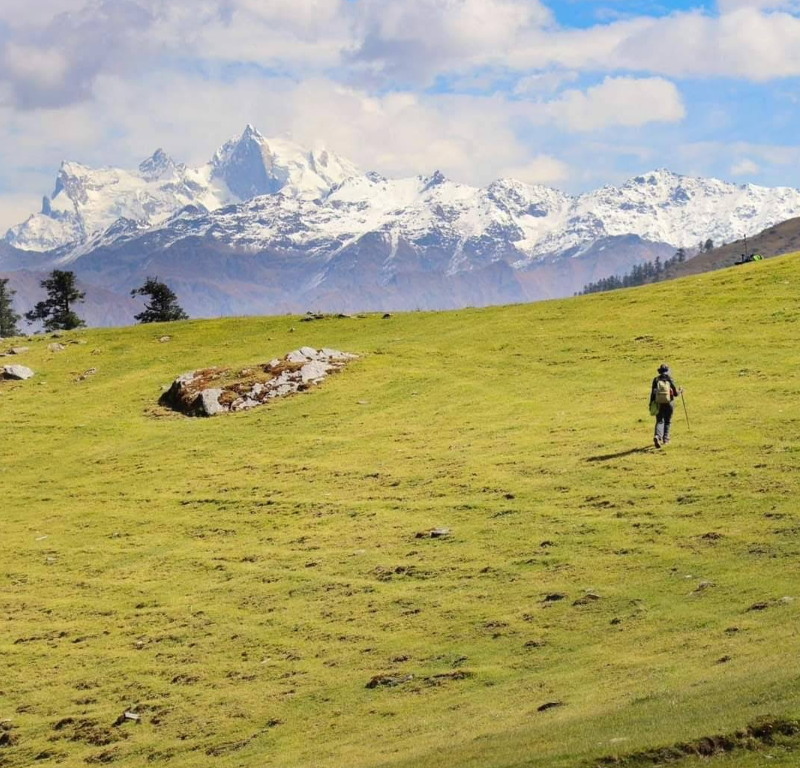
If you love wide mountain views, quiet forest trails, and fewer crowds, this trek will make you smile before the first campsite. The Phulara Ridge Trek starts near the village of Sankri in Uttarakhand and stays on a long ridge walk for hours. That means you get open views instead of walking only inside forests or valleys. Trekkers often call it a calm and scenic alternative to popular routes around Sankri, and that praise feels well earned.
This trail suits people who want beauty without extreme difficulty. You walk through pine and oak forests, step into open meadows, and then follow a ridge that shows you peaks on both sides. On clear days, the sky looks bigger, the air feels sharper, and your camera runs out of storage faster than your legs run out of energy.
Where Is Phulara Ridge and How to Reach Sankri
Sankri sits in the Govind Pashu Vihar region of Uttarkashi district, Uttarakhand. It also works as the base for many treks like Kedarkantha and Har Ki Dun, so transport and stays stay fairly easy to manage.
Most travelers reach Dehradun first. From there, shared taxis and buses go toward Sankri via Mussoorie or Purola. The drive takes around 8 to 10 hours, depending on road and weather conditions. Mountain roads like to surprise everyone, so keep buffer time.
Local homestays and guesthouses in Sankri offer simple rooms and warm food. Many trekking teams, including operators like Himalayan Dream Treks, also use the village for acclimatization and trek briefings before starting the hike.
What Makes This Trek Different From Other Sankri Routes
Many Himalayan treks move through valleys and forests and give summit views only at the top. Phulara ridge trek feels different because the ridge becomes the star of the show.
Once you reach the ridge, you walk on a narrow high path with views on both sides. You see layers of mountains instead of just one direction. That open feeling stays with you for a long stretch, which many trekkers love.
Other points that stand out:
- Continuous mountain views instead of short viewpoint breaks
- Quiet trails with fewer trekking groups
- Mixed terrain that stays interesting but not exhausting
This balance makes the route enjoyable even for people who do not want a tough summit push.
Best Time to Visit Phulara Ridge Trek
The best seasons stay spring and autumn, mainly from April to June and from September to November.
In spring, snow melts on higher patches, and fresh grass starts covering the meadows. Rhododendrons bloom in nearby forest areas, which adds color to the trail. The weather stays pleasant, with cool mornings and mild afternoons.
Autumn brings clear skies and sharp mountain views. After the monsoon, dust settles, and the air feels clean. This season works great for photography lovers who want crisp ridge shots.
Avoid peak monsoon months like July and August. Heavy rain can make trails slippery and increase the risk of landslides on approach roads. Winter treks sometimes operate, but snow can block ridge access and change the route.
Trek Difficulty and Fitness Level
This trek fits well in the easy to moderate category. You do not need technical climbing skills, but you do need steady walking stamina.
Daily walking hours usually range from 5 to 7 hours, with gradual ascents and descents. The ridge section includes some narrow paths, but nothing that demands ropes or special gear.
You should prepare with:
- Regular walking or jogging
- Basic leg strength exercises
- Light backpack practice
If you can walk 8 to 10 km on hilly paths without feeling destroyed the next day, you can handle this trail with confidence.
Landscapes and Views You Can Expect
This trek gives variety without feeling rushed.
First, you move through pine and oak forests that stay cool and shaded. Sunlight filters through branches, and the trail feels peaceful and quiet.
Then, open meadows appear, which local people often use for grazing. These wide green stretches look great for campsite sunsets and slow evening walks.
The ridge section brings the real magic. On clear days, you can spot famous Himalayan peaks like Swargarohini, Bandarpoonch, and sometimes even distant views of Kalanag. Sunrise and sunset from the ridge feel special because you watch light move across long mountain chains instead of a single valley.
Campsites and Local Culture Along the Way
Tents are pitched in open meadows and calm clearings near the woods. Nights stay quiet, with stars showing up clearly when clouds stay away. If you enjoy silent evenings with only wind and distant cow bells, you will feel very happy here.
Villages near the trail follow traditional Garhwali lifestyles. People grow crops, raise livestock, and keep their houses simple and strong. When trekkers pass through, locals often greet them warmly, sometimes with curious smiles, sometimes with helpful directions.
Respect matters here. Avoid loud music, do not litter, and ask before taking close photos of people or homes. Simple manners build good trekking culture and protect access for future visitors.
Safety, Guides, and Why Local Support Matters
Even though the trail stays friendly, mountains never guarantee comfort. Weather can change quickly, and wrong turns can waste time and energy.
Local guides know trail conditions, water points, and campsite safety. They also share stories about the region that you will never find on map apps. Hiring local support also helps village economies, which makes tourism more sustainable.
Always carry:
- Proper trekking shoes with grip
- Rain protection even in clear seasons
- Reusable water bottles
- Basic first aid
Environmental Care on the Trail
Nature gives beauty, but it also asks for respect. Sadly, plastic waste has started appearing on many popular trekking routes in India.
You can help by:
- Carrying all waste back to Sankri
- Avoiding packaged food when possible
- Using refillable bottles instead of disposable ones
Small habits protect trails and keep them open for years. Plus, clean mountains look much better in photos.
Final Thoughts: Why This Trek Deserves More Love
In a region full of famous treks, this one quietly waits for people who value peaceful trails and long mountain views. It does not shout for attention, but once you walk its ridge, you understand why guides and trekkers keep recommending it.
The trail offers forests, meadows, and open ridges in a neat, well-paced mix. It stays friendly to beginners while still rewarding experienced hikers with beautiful scenery. Add easy access from Sankri, and you get a trek that fits perfectly into short Himalayan travel plans.