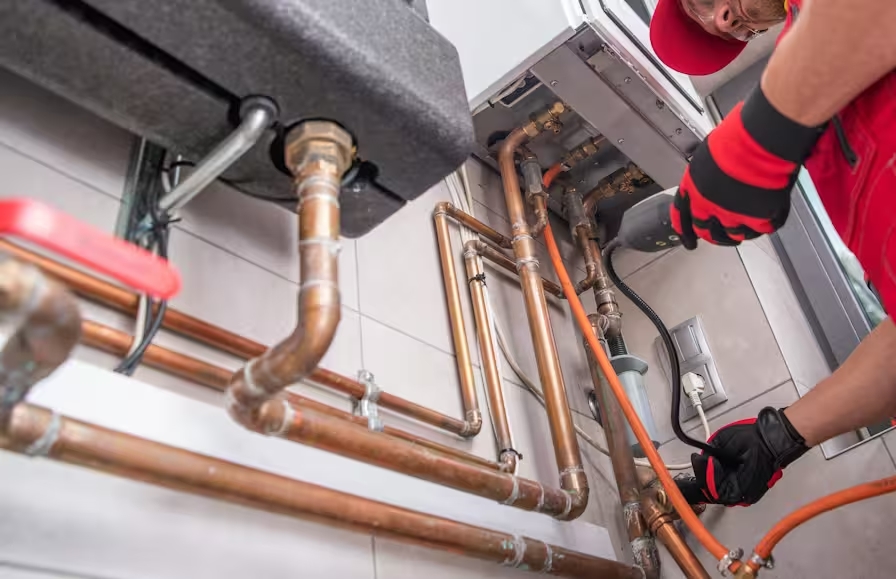
Owning rental property in Pennsylvania comes with steady demand—but it also comes with legal obligations that landlords cannot afford to ignore. One of the most important is the Implied Warranty of Habitability, a legal standard that requires rental homes to be safe, sanitary, and functional at all times. Plumbing sits at the center of this requirement, and failures can quickly turn into legal and financial problems if not handled correctly.
This guide breaks down what the Implied Warranty of Habitability means for Pennsylvania landlords, how plumbing issues affect compliance, and why emergency response timelines matter more than many property owners realize.
What Is the Implied Warranty of Habitability in Pennsylvania?
In Pennsylvania, every residential lease—written or verbal—includes an implied promise that the property is fit to live in. This means landlords must maintain basic systems that support health and safety.
Plumbing responsibilities under this warranty include:
- Working toilets
- Functional sinks and drains
- Access to hot and cold running water
- Safe wastewater removal
- Heating systems that support hot water
If any of these systems fail, tenants may have legal grounds to demand repairs, withhold rent, or pursue other remedies.
Why Plumbing Issues Trigger Legal Risk Faster Than Other Repairs
Cosmetic issues rarely create legal exposure. Plumbing failures do. A single plumbing issue can:
- Make a unit legally uninhabitable
- Trigger written repair notices
- Start a timeline landlords must meet
- Open the door to “repair and deduct” actions
This is why many property owners rely on Commercial Plumbing Solutions rather than general contractors. Rental plumbing problems require speed, documentation, and proper repair—not guesswork.
Emergency vs Non-Emergency Plumbing Repairs
Not all plumbing problems are treated equally under Pennsylvania law.
Plumbing Issues Often Considered Emergencies
- No hot water
- Burst or leaking pipes
- Sewage backups
- Non-working toilets in single-bath units
- Frozen pipes during winter
When these occur, landlords are expected to act quickly—often within 24 to 48 hours. Failing to do so may allow tenants to:
- Arrange repairs themselves
- Deduct the cost from rent
- Claim breach of habitability
This is where access to emergency plumbing services and 24 hour plumbing becomes essential, not optional.
The Legal Importance of Hot Water in Rental Properties
Hot water is not a luxury in Pennsylvania rentals—it is a requirement. Loss of hot water can:
- Violate health and sanitation standards
- Prevent normal daily living
- Trigger immediate tenant complaints
Landlords who delay water heaters repair risk more than inconvenience. Courts often treat lack of hot water as an urgent habitability failure, especially in colder months.
Regular hot water maintenance helps landlords avoid sudden breakdowns that lead to legal exposure.
Winter Plumbing Failures and Increased Liability
Winter raises the stakes for rental plumbing issues.
Frozen pipes, burst lines, and heater failures are more common—and more serious. A burst pipe in January can:
- Flood units
- Displace tenants
- Damage neighboring properties
- Create insurance claims
Landlords who do not respond promptly often face tenant action, even if weather played a role. Courts tend to focus on response time, not excuses.
This is why many rental owners maintain standing agreements with emergency plumbers who offer 24 hour plumbing support.
Repair and Deduct: What Landlords Need to Understand
Under Pennsylvania law, tenants may use “repair and deduct” if:
- The issue affects habitability
- The landlord is notified
- A reasonable time passes without repair
Plumbing issues often meet these conditions quickly. Tenants can:
- Hire their own plumber
- Pay for the repair
- Subtract the cost from rent
Landlords lose control over cost, repair method, and documentation when this happens. Proactive use of Commercial Plumbing Solutions helps prevent this outcome.
Documentation Protects Landlords
When plumbing issues arise, documentation matters. Landlords should:
- Log tenant complaints
- Record response times
- Keep invoices and service reports
- Note emergency actions taken
Using licensed providers for emergency plumbing services strengthens a landlord’s position if disputes arise.
Plumbing Responsibilities Landlords Cannot Shift to Tenants
Tenants are not responsible for system failures caused by age or normal use. Landlords remain responsible for:
- Pipe leaks behind walls
- Water heater failures
- Drain and sewer issues
- Inadequate hot water supply
Even if a tenant reports the issue late, the landlord must still act once notified.
Why Commercial Plumbing Solutions Matter for Rentals
Rental properties are not the same as single-family homes. They involve:
- Higher usage
- Faster wear
- Legal oversight
Commercial Plumbing Solutions are designed to handle these realities. They focus on:
- Durable repairs
- Code compliance
- Clear service records
- Faster response times
This matters when managing multiple units or mixed-use properties.
Avoiding Repeated Emergency Calls
Landlords who only react to emergencies often spend more over time. Repeated plumbing failures usually signal:
- Aging water heaters
- Failing supply lines
- Outdated systems
Planned hot water maintenance and system checks reduce surprise failures and after-hours calls for 24 hour plumbing.
Plumbing and Tenant Retention
Tenants rarely complain about good plumbing—but they leave quickly when it fails. Consistent plumbing care:
- Reduces tenant turnover
- Prevents rent disputes
- Protects property value
Tenants are also more likely to report small issues early when they trust that landlords respond quickly.
Commercial Plumbing Services for Multi-Unit Properties
Apartment buildings, duplexes, and mixed-use properties benefit from structured service plans.
Commercial plumbing services help landlords:
- Schedule inspections
- Manage shared systems
- Address issues unit by unit
- Coordinate emergency response
This approach reduces downtime and legal risk across the property.
Handling After-Hours Plumbing Emergencies
Emergencies don’t wait for business hours. Landlords should have:
- A clear emergency contact process
- Access to 24 hour plumbing
- Defined response steps
Failure to act overnight or on weekends does not excuse delays when habitability is affected.
Common Mistakes That Create Legal Trouble
Landlords often get into trouble by:
- Waiting too long to respond
- Treating hot water loss as minor
- Using unqualified repair services
- Failing to document actions
Each of these increases the chance of tenant action.
Building a Plumbing Response Plan
A solid response plan includes:
- Pre-approved emergency plumbing services
- Clear tenant reporting procedures
- Regular system checks
- Scheduled water heaters repair before failure
This reduces chaos when problems arise.
Final Thoughts for Pennsylvania Landlords
The Implied Warranty of Habitability is not flexible when it comes to plumbing. Safe water, working drains, and reliable hot water are legal requirements—not optional amenities.
Landlords who plan ahead, respond quickly, and rely on professional Commercial Plumbing Solutions protect themselves from disputes, tenant action, and unnecessary costs. In a competitive rental market, strong plumbing management is not just legal compliance—it’s smart ownership.
Ignoring plumbing problems doesn’t make them go away. It just transfers control to tenants, courts, and emergency repair bills.