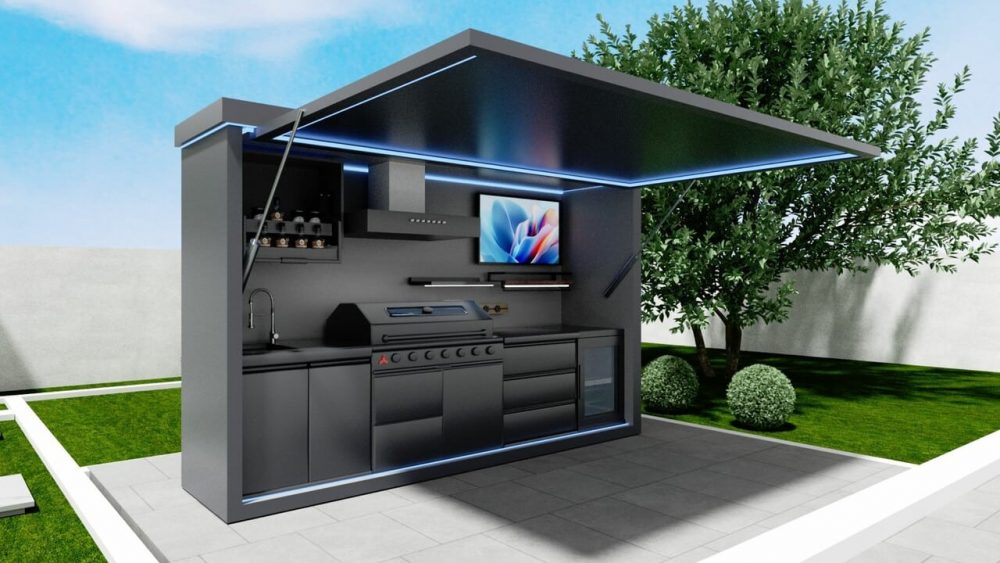
Outdoor spaces have changed a lot in the past decade. A backyard is no longer just a place for a grill and a few chairs. Many homeowners now treat outdoor areas as an extension of the house itself. Cooking, eating, and spending time with friends often happen outside.
That shift is one reason the outdoor kitchen pod is getting attention.
Instead of building a full outdoor kitchen from scratch, a pod provides a more compact solution. It is designed as a structured kitchen unit that can be placed in an outdoor space with minimal construction. For people who want an outdoor cooking setup without a long building process, the idea is appealing.
Developers and property designers are also starting to look at outdoor pods differently. In residential communities, shared outdoor kitchens are becoming part of modern amenities. A modular pod makes it easier to add these spaces without complicated installation.
What Exactly Is an Outdoor Kitchen Pod?
An outdoor kitchen pod functions as a small kitchen unit that people use to prepare meals outside. Its standard design contains cooking equipment, countertop areas, storage solutions, and various kitchen appliances, which customers can choose to add. The biggest difference between a pod and a traditional outdoor kitchen is how it is prepared. A typical outdoor kitchen is built piece by piece on site. The installation process requires contractors to install cabinets and appliances, plumbing lines, and countertops in multiple steps.
A pod takes a different approach. The process requires many components to be prepared in advance. The unit comes with partial assembly, which helps to simplify the installation process. The kitchen reaches greater construction progress because outdoor work no longer requires the management of multiple building procedures.
Outdoor cooking space creation becomes easier through this method.
Why Outdoor Kitchen Pods Are Becoming Popular
The increased frequency of pod usage in residential areas and commercial spaces can be explained by multiple factors. The first benefit of these pods construction process will save time for the builders. The construction time for traditional outdoor kitchens depends on their design, which can take from three weeks to complete.
The installation process requires less time because most of the required work occurs before the actual installation begins. The second benefit of these construction pods enables easier project organization. The outdoor construction process requires coordination between various specialists, including plumbers, electricians, installers, and builders.
The use of pods in construction projects reduces the need for contractors to work together. The third benefit improves the organization of outdoor spaces. A pod maintains all cooking equipment, counters, and storage areas within its defined space. The enclosed design creates an organized atmosphere for both patios and courtyards. The second factor that affects the situation is flexibility.
Pods provide the ability to install outdoor kitchen systems in locations where complete outdoor kitchen designs cannot be implemented. The best example of this situation occurs on rooftops, small patios, and shared residential spaces.
What You Typically Find in an Outdoor Kitchen Pod
Designs vary widely, but most outdoor kitchen pods share a few basic features.
Cooking equipment
The central element is usually a grill or cooking surface. Some setups include additional appliances such as smokers or pizza ovens.
Preparation area
Countertops provide space for food preparation, plating, or serving.
Storage
Cabinets or drawers allow utensils and cooking supplies to be stored within the unit.
Utility connections
Some pods include plumbing for sinks or electrical connections for lighting and appliances.
Durable materials
Outdoor kitchens must withstand the weather. Stainless steel, stone surfaces, and treated finishes are commonly used to maintain durability.
Not every outdoor pod includes all these features. Simpler designs focus mainly on cooking and preparation space, while larger pods provide a more complete kitchen experience.
Where Outdoor Kitchen Pods Work Well
Outdoor kitchen pods can fit into many environments. The outdoor kitchen pods serve as installations that homeowners select to place close to their patios and pool areas. Homeowners use them for weekend cooking, gatherings, or family meals. Urban buildings use rooftop terraces to establish shared cooking spaces, which include permanent installations. Rooftop construction becomes simpler through the use of modular solutions, which require less effort to set up.
Outdoor kitchens serve as entertainment areas that hotels and resorts provide to their guests. A pod provides a cooking station that functions at events and serves outdoor dining areas and poolside lounges. Outdoor kitchens have become popular amenities that multifamily residential communities now offer to their residents.
The outdoor kitchen space provides residents with an area to prepare food and build social connections while enjoying time outdoors from their apartments. Developers can use pods to establish shared facilities that connect multiple buildings throughout their projects.
Planning an Outdoor Kitchen Pod Installation
The installation of a pod requires people to consider multiple practical aspects before they begin their installation work. The kitchen requires a location that prevents smoke and heat from entering seating areas and walkways. The kitchen needs to be situated at a location that provides access to all necessary utility services that the pod requires for its water and electrical systems.
Outdoor weather conditions need to be taken into account because outdoor pods can withstand outdoor weather conditions, but their operational lifespan increases when they receive some degree of weather protection. The design of the space needs to provide sufficient room for people to walk and for people to sit down. A kitchen pod works best when it becomes part of a larger outdoor gathering area.
Outdoor Kitchen Pods and the Shift Toward Modular Living
The concept of modular design has developed into multiple fields that exceed its original purpose for architectural construction. Today, many spaces are being designed with prefabricated or modular elements that simplify installation. Outdoor kitchens are beginning to follow the same direction.
Designers now approach outdoor cooking spaces as building components instead of treating them as intricate architectural projects. The outdoor kitchen pod reflects this shift. The system provides kitchen operation capabilities while it decreases the required construction work needed to create an outdoor kitchen space. Modular design solutions such as pods will become more prevalent in home design as outdoor living spaces develop.
Outdoor Kitchen Pods and Modular Construction
Outdoor cooking spaces are becoming an important feature in modern homes and residential developments. However, building a traditional outdoor kitchen can take time and require coordination between several trades.
The outdoor kitchen pod offers a simpler alternative. By bringing key kitchen components together in a compact structure, it allows property owners and developers to create functional cooking spaces with less on-site construction.
Companies like Bathsystem USA are helping shape the broader movement toward modular construction. Known for their engineered prefabricated systems, the same principles of precision manufacturing and controlled production are influencing how many spaces, including kitchens, are designed and installed.
As modular thinking continues to grow in construction and design, outdoor kitchen pods represent another step toward faster and more efficient building solutions.
FAQs
1. What is an outdoor kitchen pod?
An outdoor kitchen pod is a compact kitchen unit designed for exterior spaces. It usually includes cooking equipment, preparation surfaces, and storage within a single structure.
2. Are outdoor kitchen pods customizable?
Yes. Many designs allow adjustments in layout, appliances, materials, and finishes depending on the project or homeowner’s preferences.
3. Do outdoor kitchen pods require plumbing or electricity?
Some pods include these utilities, especially if they have sinks or lighting. Others are simpler and only include cooking equipment.
4. Where can an outdoor kitchen pod be installed?
They can be installed in backyards, patios, rooftops, resorts, or shared residential spaces.
5. How long does installation take?
Installation time depends on the design and site conditions, but pods generally require less time than building an outdoor kitchen from scratch.