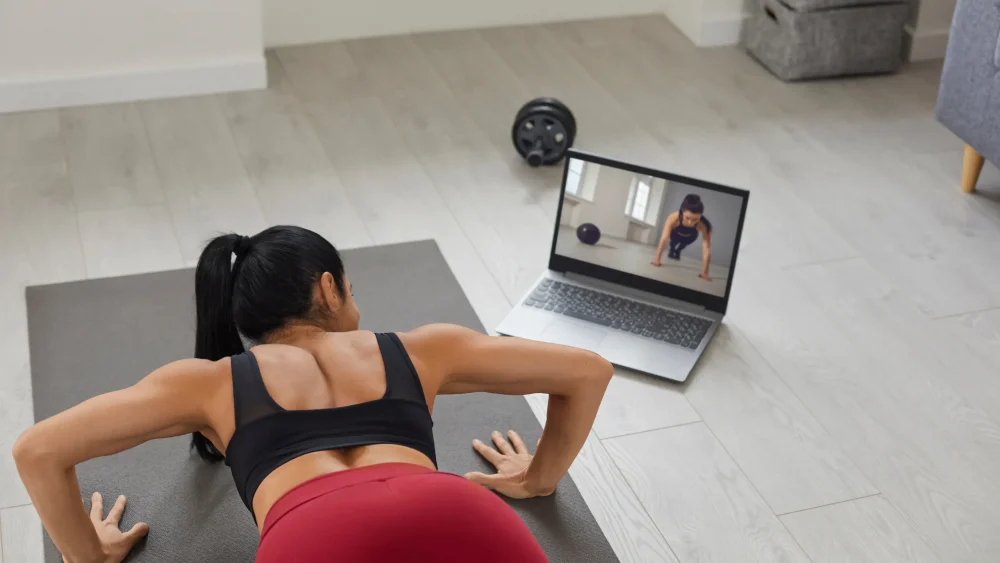
It’s a Monday morning. You wake up with that familiar mix of determination and guilt, and you tell yourself: this time is different. You’re going to eat better, sleep on time, move your body, and actually stick with it. You look up a fitness trainer, download a workout app, bookmark a few YouTube channels. Maybe you even buy new running shoes.
And then, somewhere around the tenth day, it starts to unravel.
Work piles up. The gym feels like it’s designed for people who already look fit. You’re not sure if your form is right, and frankly, the diet plan you found online seems to think you live on grilled chicken and protein shakes — not rajma chawal and your mum’s aloo paratha.
Before you know it, the resolve quietly fades. Life wins. Again.
Here’s the thing though: this isn’t a willpower problem. It never was. What you were missing was the right kind of support — and that’s exactly what good online coaching is built to provide.
Why Consistency Is So Much Harder Than It Looks
Talk to anyone who has genuinely transformed their health — not with a crash diet or a 30-day challenge, but in a lasting way — and they’ll tell you something surprising. It wasn’t any single workout that changed everything. It was the quiet, unglamorous act of showing up again and again, even when they didn’t feel like it.
That’s consistency. And it’s genuinely difficult because fitness isn’t one habit. It’s an entire ecosystem of habits working together — movement, sleep, food, stress management. Expecting to overhaul all of them at once, without support, is a lot to ask of yourself.
The Three Gaps That Trip Up Most Indian Beginners
In India, the challenge has a few extra layers to it.
First, there’s the knowledge gap. Most people starting out simply don’t know what kind of training is right for their body, their health history, or their goals. The internet gives you a lot of information, but very little of it is designed for you specifically.
Then there’s the accountability gap. When nobody is checking in, when there’s no commitment to honour, it becomes very easy to skip today’s session. And then tomorrow’s. And then somehow it’s been two weeks.
Finally, there’s the personalisation gap — possibly the most overlooked one. Generic workout plans and standard diet charts don’t account for your work schedule, your knee problem, or the fact that your family eats dinner at 10 pm. They’re built for an average person. You are not average — you’re a specific person with a specific life.
These gaps aren’t personal failings. They’re design flaws in how most people approach fitness alone. And the good news is: they all have a fix.
What Online Coaching Actually Looks Like Today
The image of a personal trainer used to involve expensive gym memberships, awkward one-on-one sessions, and the vague feeling that you were being judged for not knowing what you were doing. Online coaching is a genuinely different experience.
A good programme today gives you a workout plan built for your body and your available equipment — whether that’s a full gym, a set of dumbbells at home, or nothing at all. You check in with your coach regularly over video call or chat. Your nutrition plan is built around food you actually eat. And when something isn’t working, your plan gets adjusted. It’s a living, responsive process — not a static PDF you download once and ignore.
More importantly, it fits around your life, not the other way around. You train at home, at the park, at your local gym — whenever you can. Your coach works around your schedule, not a fixed class timetable.
Why This Model Works So Well in India
India’s fitness culture has come a long way in the last decade. But access is still unequal. If you live in Indore, Vizag, Patna, or dozens of other cities, finding a truly qualified personal trainer nearby isn’t straightforward. And even in Mumbai or Delhi, one-on-one personal training can cost more than most people’s monthly groceries.
Online coaching changes that equation entirely. Someone in Coimbatore or Nagpur can work with an excellent certified fitness coach based anywhere in the country — without the commute, without the premium pricing, and often with far more personalised attention than a gym floor trainer who’s managing fifteen clients at once.
There’s also a comfort dimension that matters and doesn’t get talked about enough. Many beginners — particularly women — feel far more confident starting their fitness journey at home, away from the judgement (real or imagined) of a gym environment. Online coaching creates a private, supportive space to build those early foundations.
What a Certified Fitness Coach Actually Brings to the Table
This is worth spending a moment on, because there’s a lot of noise in the fitness space right now. Anyone with a following and a good-looking Instagram grid can position themselves as a coach. The difference a genuinely certified fitness coach makes is not just about credentials — it’s about what those credentials translate into when it comes to your safety and your results.
A Plan That Was Made for You Not Just Sent to You
A certified coach doesn’t recycle the same programme for every client. Before designing anything, they want to understand you — your current fitness level, your goals, any injuries or health conditions, your daily schedule, your food habits. A beginner managing lower back pain needs a very different starting point from someone who is healthy but has been sedentary for years. This level of thought makes an enormous difference, especially in those early weeks.
Learning to Move Well Before You Push Hard
This is something that gets overlooked all the time, and it causes so many unnecessary injuries. The way you squat, the way you hinge at the hip, the way you hold your core during a push-up — these things matter. Poor movement patterns, when repeated hundreds of times, lead to pain and setbacks. A qualified fitness trainer watches how you move, helps you correct what needs correcting, and builds your strength on a solid foundation rather than a shaky one.
Someone Who Keeps You Honest With Kindness
There’s a reason accountability is one of the most-cited reasons people succeed with coaching. When someone is genuinely invested in your progress — when they’ll notice if you’ve gone quiet for a few days — you behave differently. Not out of fear, but out of a sense of commitment that you’re sharing with another person. A good coach creates that dynamic without making you feel pressured or judged.
The Food Piece And Why It Needs to Be Indian
You can train consistently and still not see the results you’re hoping for if what you’re eating is working against your goals. Nutrition is a huge part of the picture. But this is exactly where a lot of Indian beginners hit a wall.
The standard fitness nutrition advice floating around online — track your macros, eat six meals a day, prioritise lean protein — was designed for a Western diet. It doesn’t know what to do with curd rice, poha, or the fact that many Indian families eat their most substantial meal in the afternoon. Trying to follow that advice often ends in frustration, guilt, or just quietly going back to eating normally.
Nutrition Advice That Respects How You Actually Eat
A coach who genuinely understands Indian eating patterns — or who has trained through thoughtful Nutrition Courses covering diverse dietary contexts — approaches food very differently. They know how to get you adequate protein on a vegetarian diet. They understand that festival seasons are a part of life, not obstacles to fitness. They help you build eating habits that work in your actual home, with your actual family.
Good nutrition guidance doesn’t ask you to give up your food culture. It works with it. That’s what makes it sustainable.
Worth knowing: If you’re curious about nutrition beyond just your own fitness goals — perhaps you’re considering a career in fitness or just want to understand it deeply — there are some excellent Nutrition Courses available online today. The better ones cover everything from the basics of macronutrients to applying nutritional knowledge in practical, real-world contexts.
How to Choose a Fitness Trainer Online Without Getting It Wrong
As online fitness coaching has grown in India, so has the number of people offering it — some excellent, some not. Here’s how to approach the decision thoughtfully.
Check for Recognised Certifications
Credible fitness trainers hold certifications from established bodies. Internationally, look for ACE, NASM, or ISSA. In the Indian context, certifications from IAFT, PFCA, and similar organisations signal that someone has gone through a serious educational process — not just watched a few videos and started selling programmes.
Pay Attention to How They Communicate
Qualifications matter, but so does the human behind them. Before signing up for any programme, have a real conversation with the coach. Do they ask questions about you, or do they do most of the talking? Do they listen when you mention your knee pain or your irregular work schedule? Do they explain things in plain language, or hide behind jargon? You’ll be working with this person regularly — trust and rapport matter.
These Are the Warning Signs to Watch For
Be wary of coaches who promise dramatic body transformations in suspiciously short timeframes. Be cautious of anyone who pushes supplements hard in early conversations. And if a trainer offers you a programme without even asking about your health history or fitness background, that’s a meaningful red flag. A good coach is curious about you before they prescribe anything.
What the First Three Months Really Look Like
For most people, the first 90 days of any fitness journey are both the most important and the most fragile. The initial excitement carries you through Week 1. It’s the weeks after that reveal whether you have the right structure in place.
A well-designed online coaching programme understands this. The early weeks are usually intentionally gentle — not because the coach is being easy on you, but because building the habit of showing up consistently matters far more right now than how heavy you’re lifting. You’re rewiring your routine, and that takes time and patience.
The progress in those first weeks often won’t show up in the mirror. But you’ll feel it — in how you sleep, in how much energy you have in the afternoons, in the quiet confidence that comes from doing something you said you’d do. A good coach helps you recognise and celebrate those shifts, because they are the foundation everything else gets built on.
“The goal isn’t to be perfect from day one. The goal is to still be doing this six months from now.”
You Don’t Have to Figure This Out Alone
If you’ve tried before and stopped, please don’t carry that as evidence of some personal failing. Most people who struggle with fitness consistency aren’t undisciplined — they were just trying to do something genuinely hard without the right support around them.
Online coaching, when it’s done well by Fitness trainer who understand the Indian context, is not a luxury. It’s a practical solution to a real problem. It gives you expertise, structure, personalisation, and a human being who is genuinely invested in seeing you succeed.
Whether you’re beginning for the very first time, starting over after a long gap, or just tired of making no progress despite trying hard — this is worth exploring. Not because it’s a magic fix, but because having the right support genuinely changes the odds in your favour.
Your health is worth that.
Ready to Take That First Step?
Find certified fitness coaches and structured online programmes built for the Indian lifestyle — your food, your schedule, your goals. The right guidance doesn’t just change your workouts. It changes how you feel about yourself.