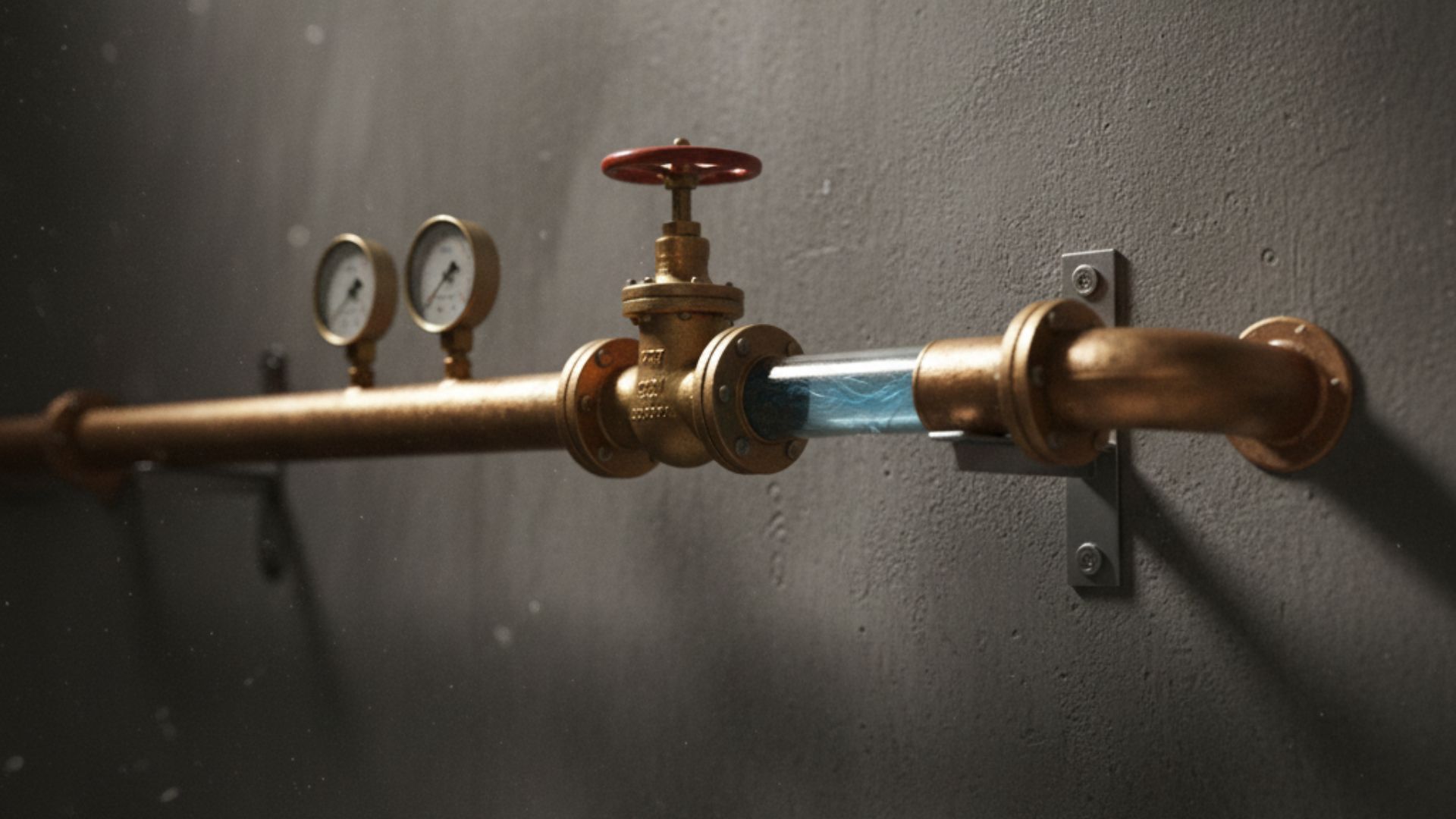
Oil and fuel line systems form the backbone of modern industrial machinery, engines, and processing units. Whether it is a refinery, power plant, marine engine, or heavy industrial equipment, the safe and efficient movement of fuel and oil depends on a well-engineered combination of pipes, tubes, and precision valves. Each component plays a critical role in maintaining pressure stability, controlling flow rates, and ensuring operational safety.
Importance of Pipes – Tubes in Oil & Fuel Lines
SS Pipes and tubes are what carry oil and fuel from storage tanks over to engines, pumps, burners, and other equipment that need them. Since these systems handle high pressure and heat, using the right materials and designing the lines correctly is necessary to prevent failures and keep operations safe.
- Pipes transport fluids over long distances.
- Tubes are used for precise flow control or compact layouts.
Materials like carbon steel, stainless steel, alloy steel, and copper alloys are commonly used because they are strong, resist corrosion, and work well with petroleum-based fluids. Choosing the right pipe size helps the fluid flow smoothly, reduces pressure drops, and avoids turbulence that could impact fuel efficiency or equipment performance.
Why Valves Are Critical in Oil & Fuel Systems
Pipes and tubes move the fluids, but valves decide how that flow happens. In oil and fuel lines, uncontrolled flow can cause leaks, sudden pressure surges, fire hazards, or damage equipment. The roles are:
- Starting and stopping fluid flow
- Regulating pressure
- Isolating system sections during maintenance Preventing backflow and leakage
Different valve types are used depending on the application, flow requirement, and operating conditions.
Needle Valves: Precision Control for Oil & Fuel Lines
SS Needle valves are great for oil and fuel systems when you need really precise control. Unlike regular on/off valves, they let you turn the flow up or down slowly, thanks to their tapered stem that fits snugly in the seat.
Key Uses of Needle Valves in Oil & Fuel Applications
- Delivering fuel to engines so they run smoothly
- Controlling oil flow to keep engines from overheating
- Keeping pressure gauges safe from damage
- Taking samples in refineries and processing units
Needle valves are commonly installed in low-flow, high-pressure sections of fuel systems. They help keep the flow steady, preventing sudden spikes that could harm injectors, pumps, or seals.
Ball Valves and Gate Valves for Isolation
- Ball valves enable quick and tight shut-off, perfect for emergency use.
- Gate valves provide unobstructed flow, suitable for infrequent operation.
The valves are kept close to tanks, pumps, and distribution points to allow the system to be safely shut down during maintenance or emergencies.
Check Valves for Backflow Prevention
Check valves are important for safety in oil and fuel systems. They make sure fuel only flows one way, stopping any backflow that might damage equipment or contaminate the system.
Common applications include:
- Fuel pump discharge lines
- Lubrication oil return systems
- Engine fuel injection circuits
By stopping backflow, check valves safeguard pumps and help maintain steady system pressure.
Pressure Relief and Safety Valves
Oil and fuel systems often experience changes in pressure during operation. Pressure relief valves and safety valves are installed to automatically release excess pressure, preventing pipeline rupture or equipment damage.
These valves are especially important in:
- High-pressure fuel injection systems
- Thermal expansion zones
- Storage tank outlets
Their presence significantly improves system reliability and operational safety.
How Pipes, Tubes, and Valves Work Together
An efficient oil or fuel line system relies on seamless coordination between pipes, tubes, and valves, where pipes and tubes transport the fluid and valves ensure safe and controlled flow.
Well-designed systems focus on:
- Ensure material compatibility with the fuel
- Position valves for convenient operation
- Maintain smooth flow to reduce pressure loss
- Adhere to industry safety standards
Conclusion
Needle valves are used where flow needs to be adjusted slowly and accurately. Ball and gate valves are mainly there to turn the flow on or off or to isolate a section during maintenance. Check valves stop fuel or oil from flowing backward, which can damage pumps and other equipment. Safety valves act as the final protection by releasing excess pressure before it causes damage. When the right components are selected and installed correctly, the entire system operates more smoothly, equipment stays in service longer, and the chances of leaks or failures are greatly reduced.