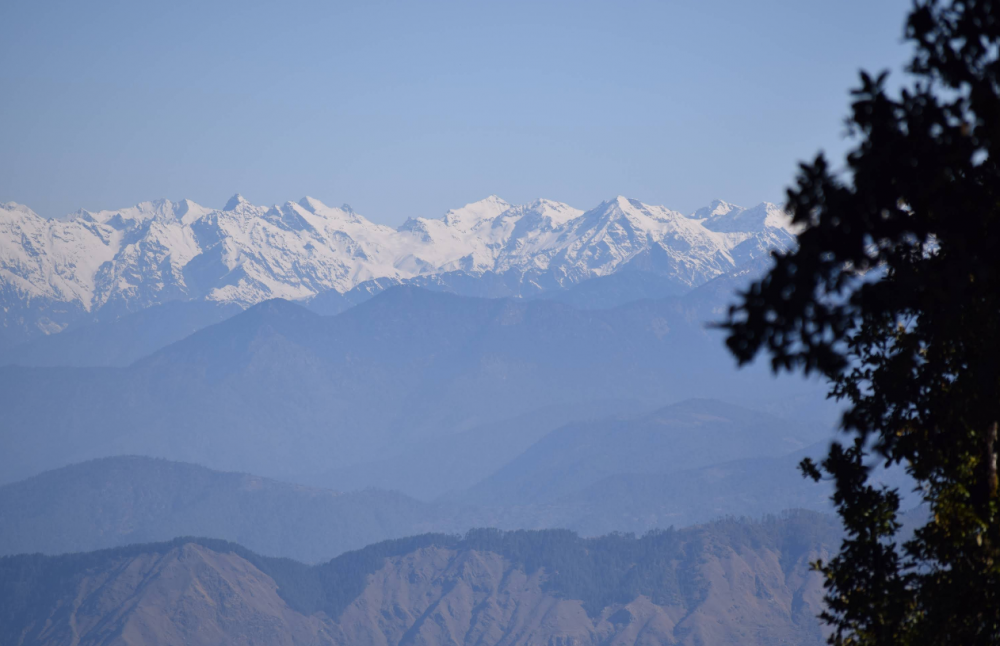
If your work calendar looks like a never ending meeting invite, you are not alone. Most working professionals want to travel, but time rarely agrees. That is where the Nag Tibba Trek fits in like a well planned coffee break. Short, scenic, and easy to reach, this trek gives you real mountain views without asking you to take long leaves from office.
Located in Uttarakhand, Nag Tibba is often called the highest peak near Mussoorie. It stands at around 3,022 meters (9,915 feet) and offers wide Himalayan views in just two days. You start on Saturday, return by Sunday night, and still make it to office on Monday. Mountains with zero HR complaints. Sounds fair, right?
Let us break down why this trek works so well for busy people and how you can plan it the smart way.
Why Nag Tibba Trek Works for Working Professionals
Short Duration, Big Mountain Feel
Most Himalayan treks take 5 to 7 days. That is great, but not everyone can disappear from work that long. Nag Tibba trek usually needs 2 days and 1 night. Some even do it in one long day, but that turns the trek into a cardio exam, not a holiday.
In two days, you walk through forests, reach a proper campsite, and still get summit views. You do not feel rushed, and you also do not feel like you are on a school picnic.
Easy Access from Delhi and Dehradun
Connectivity matters when you have limited time. Nag Tibba scores well here.
You can reach Dehradun by:
- Overnight train
- Early morning flight
- Overnight bus from Delhi
From Dehradun, Pantwari village, the usual base point, is around 89 km. Most trekking groups arrange shared transport. If you travel on your own, you can take a taxi or local bus via Mussoorie route.
Less travel stress means more energy for the trek. And yes, less arguing with Google Maps.
Nag Tibba Trek Height and Difficulty Level
Altitude That Is Friendly for Beginners
At just under 10,000 feet, Nag Tibba sits in the safe zone for most people. You do not need high altitude medicines or long acclimatization plans. Still, you should walk slow, drink water, and avoid acting like a fitness influencer on day one.
The trail has steady climbs, but nothing technical. No ropes, no rock climbing, and no risky ridges.
Who Can Do This Trek Comfortably
This trek suits:
- Beginners with basic fitness
- Office goers who walk or jog sometimes
- College students on weekend trips
If you can walk for 5 to 6 hours with breaks, you can do this trek. You do not need gym body, just honest stamina.
Best Time to Do Nag Tibba Trek
Winter: For Snow Lovers
From December to February, Nag Tibba becomes a snow playground. The trail, campsite, and summit often get snow, depending on snowfall that season.
You get:
- Snow walking experience
- White forest views
- Proper winter trekking feel
This is the most popular time, so expect more people. But hey, snow has its own fan club.
Spring and Summer: For Clear Views
From March to June, the weather stays pleasant. Snow melts, trails open fully, and flowers start showing up in forest sections.
This season offers:
- Clear Himalayan views
- Comfortable temperatures
- Green campsites
Perfect for those who want views without freezing fingers.
Monsoon and Post Monsoon
July to September brings rain. Trails can get muddy and slippery. Views depend on clouds, which love drama during monsoon.
October and November work well again with clear skies and cold nights.
What Mountains Can You See from Nag Tibba Summit
This is where Nag Tibba starts showing off.
On a clear day, you can see:
- Bandarpoonch range
- Swargarohini group
- Kedarnath peak
- Gangotri peaks
Seeing these massive mountains from a weekend trek feels slightly unfair to longer treks, but we will not complain.
The summit also has a small temple dedicated to Nag Devta, which gives the trek its name. Locals consider this area sacred, and trekkers usually respect that by keeping the place clean and quiet.
Typical Nag Tibba Trek Itinerary
Day 1: Dehradun to Pantwari to Campsite
You start early from Dehradun and drive to Pantwari village. From here, the trek begins.
The trail passes through:
- Village paths
- Open meadows near campsite
You reach campsite by evening. After dinner, most people sit outside, stare at stars, and forget about unread emails.
Day 2: Summit Push and Return
You start early, usually before sunrise. The summit trail has steady climbs and open stretches.
At the top, you spend time clicking photos and soaking views. After that, you return to campsite, pack up, and trek back to Pantwari. Evening drive brings you back to Dehradun.
Simple, clean, and well paced.
Why Nag Tibba Is Great for First Time Trekkers
Safe and Well Marked Trails
The trail remains clear and popular. Many trekking groups operate here, and villagers know the routes well. Even if you go independently, getting local guidance is easy.
This reduces risk and confusion, which beginners appreciate.
No Technical Skills Needed
You do not need special training. You just need:
- Comfortable shoes
- Warm clothes in winter
- Basic fitness
No river crossings, no exposed ridges, and no scary cliff walks. Your parents will worry less too, which is always good for peace of mind.
Fitness Preparation for Office Goers
You do not need a marathon plan, but you should not start directly from chair to mountain.
Two weeks before trek:
- Walk or jog 30 minutes daily
- Use stairs instead of lift when possible
- Stretch your legs regularly
This small effort makes trekking enjoyable instead of painful. Your knees will thank you later.
What to Pack for Nag Tibba Trek
Packing smart saves you from both cold and comedy situations.
Clothing
- Warm jacket or fleece
- Thermals in winter
- Trek pants, not jeans
- Rain jacket in non winter months
Footwear
- Good trekking shoes with grip
- Extra socks
Essentials
- Water bottle
- Basic medicines
- Sunscreen and lip balm
- Torch or headlamp
If you go with an organized trek, they usually provide tents, sleeping bags, and food. Still, carry your personal items carefully.
Staying Options and Food on the Trek
Camping Experience
Most people stay in tents near the forest line. Campsites offer wide valley views and quiet surroundings.
At night, temperatures drop, especially in winter. But sleeping bags and tents provided by trekking operators usually match the season.
Food on the Trek
You get simple, hot meals:
- Dal, rice, sabzi
- Soup and tea
- Breakfast with paratha or porridge
Do not expect hotel menu, but after trekking all day, even simple food feels five star.
Solo vs Group Trek: What Works Better
Going with Trekking Groups
For working professionals, groups make life easy.
They handle:
- Transport
- Food
- Camping equipment
- Local guidance
You just carry your bag and enjoy views. Also, you meet new people, which turns trek into social detox.
Going Independently
If you prefer solo trips:
- Hire a local guide from Pantwari
- Arrange your own transport and food
- Carry camping gear or plan same day return
This needs more planning and confidence. Beginners usually prefer groups.
Environmental Responsibility on Nag Tibba Trek
Mountains already deal with enough stress. Trekkers should not add to it.
Please follow:
- Carry back all plastic
- Do not play loud music
- Respect local beliefs
- Avoid littering near summit temple
Forest Department guidelines and local village councils often request trekkers to maintain cleanliness, especially on popular trails like Nag Tibba.
Small actions help keep this trek beautiful for everyone.
Cost of Nag Tibba Trek
Prices depend on season and operator.
On average:
- Group trek cost: ₹3,000 to ₹5,000 per person
- Includes transport from Dehradun, meals, camping, and guide
If you go independently, costs may reduce, but you handle logistics yourself.
Always check what is included before booking. Cheap deals sometimes skip safety and comfort.
Final Thoughts
The Nag Tibba Trek proves that you do not need long holidays to enjoy real mountains. With proper planning, even a simple weekend can turn into a memory that stays longer than your office stress.
It gives you forest walks, snow in winter, wide views at the summit, and peaceful campsites. All within two days.
For working professionals who dream of the Himalayas but fight with calendar every week, Nag Tibba feels like a fair deal between job and joy.
And yes, your laptop will survive without you for two days. The mountains are waiting anyway.