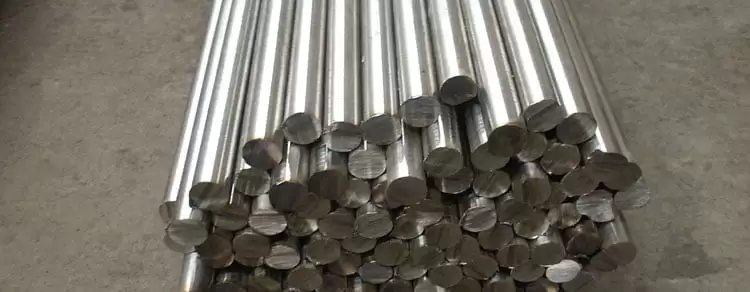
Inconel is known for its exceptional high-temperature strength, making it a trusted choice in aerospace, oil and gas, and chemical processing, but machining it is a completely different challenge. At our facility, we deal with it every day. Once the Inconel round bars arrive, the real work begins. The alloy hardens as its cut, quickly wearing out tools, slowing production, and driving up costs. With our hands-on knowledge, we’ve learnt how to machine this super alloy effectively while maintaining its integrity. In this guide, we give practical, tried-and-true suggestions on tooling, speeds and cooling procedures to help manufacturers, and fabricators use Inconel for better results.
The Root of the Problem: Why Inconel Fights Back
To machine Inconel well, you must first understand why it is so difficult. The primary issue is work-hardening. When a cutting tool hits the surface of Inconel, the material instantly gets harder right where the cut is happening. The next pass of the tool has to cut a tougher surface. This cycle happens quickly. As a result, the tool wears quickly and often provides a rough surface finish.
Inconel’s high strength and heat resistance are great for the final product, but terrible for the machining process. The material does not readily transfer the heat produced by the cutting action. That heat remains focused on the tool tip and work piece, resulting in thermal stress and premature tool failure.
Tooling Selection: Picking the Right Weapon
Choosing the correct tool material and geometry is the most important step for success. Skip this, and you will quickly burn through expensive inserts.
Carbide is the strongest.
For most Inconel machining, cemented carbide inserts are the best choice.
- Grade: Look for inserts with a high-strength substrate and a thick, PVD (Physical Vapour Deposition) coating. These coatings improve wear resistance and reduce heat transfer to the insert body.
- Inserts: Use positive-rake geometry. A positive rake angle helps reduce the cutting forces needed to shear the material. This lessens the work-hardening effect on the freshly cut surface.
- Chip Breakers: Select inserts with strong, specialized chip breakers. They must handle the tough, continuous chips that Inconel produces. Long, stringy chips can cause a total jam and ruin the part.
The Role of Ceramics
For specific high-speed finishing passes, interesting ceramics can be an option. It handles the high heat better than carbide. However, ceramics are very brittle. They are only suitable for continuous, stable cutting with minimal vibration. It will chip instantly under interrupted cuts or if the machine is not rigid enough.
Speeds and Feeds: The Delicate Balance
Inconel cannot be machined the same way as machine steel. Old techniques cannot be used. Machining Inconel requires low speeds and a firm, constant feed.
Keep the Speed Down
High surface speed causes excessive heat. This heat is bad for the tool.
- Surface Speed: For roughing cuts, the cutting speed should be kept very low. Think in the range of 50 to 150 Surface Feet per Minute (SFM). Machinists often have to cut the speed in half compared to stainless steel.
- Goal: The slow speed limits the heat generated per revolution, extending the tool life greatly.
Keep the Feed Firm
While the speed is slow, the feed rate must be relatively high and constant.
- Feed Rate: A high feed rate ensures that the tool is always cutting below the work-hardened layer created by the previous pass. Avoid rubbing the surface.
- Recommendation: Use a deep, constant cut. This helps get rid of the work-hardened material quickly. A feed rate around 0.005 to 0.010 inches per revolution (IPR) is a good starting point for turning operations.
Cooling Techniques: Managing the Heat
Effective cooling and lubrication are vital because of Inconel’s poor thermal conductivity. The coolant’s main feature is to carry heat away from the cutting zone.
Flood Coolant is Non-Negotiable
You need a large volume of high-pressure flood coolant. A gentle stream is not enough.
- Application: Direct the coolant stream right at the point of contact between the tool and the work piece. The goal is to drench the area, preventing the insert from reaching its failure temperature.
- Type: Use a high-quality, high-lubricity water-soluble oil coolant. The extra lubricating properties help reduce friction and forces at the cut.
High-Pressure Coolant (HPC)
If the machine can handle it, high-pressure coolant (HPC) is a massive advantage.
- Benefit: HPC, often delivered at 1,000 psi or more, forces the coolant under the chip. This action cools the insert better and helps break the tough chips into smaller, more manageable pieces. Chip evacuation becomes much easier, reducing the chance of part damage.
Machine and Work piece Rigidity
Even the best tooling and designs will fail if the structure shakes or vibrates. Rigidity is required for machining super alloys such as Inconel.
Machine Requirements
- Condition: Use a sturdy, powerful machine tool. An older or weaker machine will vibrate under the high forces of cutting Inconel.
- Power: It needs enough horsepower to maintain speed under a heavy load. Work piece Setup
- Chucking: Clamp your Inconel round bars securely. Use the shortest possible tool overhang and work piece stick-out. Reducing these lengths makes the entire setup much stiffer.
- Support: For long bars, use a tailstock or steady rest to provide extra support and reduce vibration.
Depth of Cut and Finishing Passes
The final quality of the part depends on how you manage your roughing and finishing cuts.
Roughing Strategy
- Strategy: Take a large, aggressive depth of cut. This ensures that we are always cutting fresh material below the work-hardened layer. Use the low SFM and high IPR strategy here.
- Consistency: Avoid taking very light cuts during roughing, as these will only ride on the work-hardened surface, leading to rapid tool wear and heat buildup.
Finishing Passes
- Limit Passes: Complete the finishing operation in a single, steady pass if possible. Multiple light finishing passes only work-harden the surface more.
- New Tool: Use a new, sharp insert for the finishing pass. Never try to finish a part with a tool that was used for roughing.
Practical Tips:
A few final advice can mean the difference between a profitable project and a scrapped part.
- Inserts: Do not try to stretch the life of an insert. Machining Inconel requires you to use predictable tool changes. Change the insert as soon as you see a noticeable change in the surface finish or hear a screeching sound. Running a worn tool for too long leads to catastrophic failure and possible damage to the work piece.
- Entry and Exit: Try to avoid abrupt tool entry and exit. Use a controlled approach and departure to minimize the shock to the cutting edge.
- Chip Evacuation: Always check that the tough chips are clearing away from the cutting zone. Piled-up chips can be instantly welded to the tool or part, ruining the process.
Machining Inconel is a process of small, careful steps. It demands respect and a different mindset than cutting softer materials. By focusing on proper carbide tooling, running slow speeds with firm feeds, and using high-volume coolant, you can successfully machine the Inconel round bars your supplier delivered. These best practices will reduce downtime, save money on inserts, and guarantee you create a high-quality final product.