Healthcare has been, and will always be, a matter of people, physicians treating patients, nurses helping them recover, and administrators keeping all the wheels turning. However, behind the scenes, the volume of paperwork, data entry, and coordination needed is enormous. This is where Large Language Models (LLMs) are sneaking into the game.
LLMs are sophisticated AI systems that are trained to generate human language. They do not replace healthcare professionals but become their trusted assistants, doing routine tasks and systematizing information, and allowing medical teams to concentrate on what is really important: patient care.
Let us discuss how LLMs will assist in changing the healthcare processes and enhancing patient experience in the most simplistic and practical ways.
Smarter Documentation, Less Paperwork
Documentation is one of the largest healthcare issues. Nurses and doctors spend hours writing clinical notes, revising patient records, and completing reports. This tendency is usually achieved at the expense of physical contact with the patient.
The LLMs can listen (with permission) to doctor-patient speech, summarize visits, and generate coherent medical notes on their own. They can also:
- Transcribe voice messages into organised notes.
- Overview of long patient histories in seconds.
- Minimize system redundancy.
This means that healthcare professionals will have increased time to communicate with patients and reduced time to stare at the screen by reducing paperwork.
Faster and More Accurate Clinical Decisions
Healthcare decisions can be based on the review of large amounts of information, such as lab results, imaging reports, previous diagnoses, and treatment plans. This is time and mind-consuming when done manually.
LLM is beneficial as it can analyze patient data fast and format important information into readable summaries. For example, they can:
- Emphasize abnormal lab results.
- Compare present symptoms with medical history.
- Recommend potential actions on the basis of guidelines.
This does not displace the role of a doctor but serves as a second pair of eyes and therefore minimizes the chances of oversight and faster decision-making.
Better Patient Communication
Medical language can be confusing for patients. Discharge summaries, test results, and prescriptions often contain terms that feel overwhelming or unclear.
LLMs can translate complex medical information into simple, friendly language. They help patients understand:
- What their diagnosis means
- How and when to take medications
- What symptoms to watch for at home
Some hospitals now use AI-powered chat systems to answer common patient questions 24/7. This gives patients peace of mind while reducing the workload on front-desk staff and nurses. Beyond direct communication, LLMs are also strengthening SEO for healthcare. Hospitals, clinics, and digital health platforms depend on accurate and easy-to-find online information to guide patients to the right care. LLMs help generate clear website content, FAQs, and educational resources that answer real patient questions in plain language.
Streamlined Administrative Workflows
Healthcare organizations rely on many administrative processes, including appointment scheduling, insurance claims, billing, and referrals. These tasks are essential but often slow and frustrating.
LLMs can automate and improve these workflows by:
- Drafting referral letters
- Verifying insurance information
- Responding to routine emails and messages
- Managing appointment reminders and follow-ups
This leads to fewer delays, fewer errors, and smoother experiences for both staff and patients.
Supporting Remote Care and Telemedicine
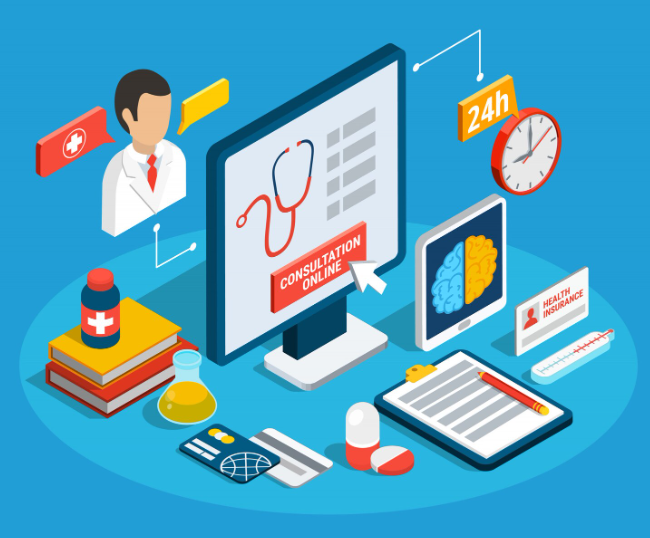
Remote care has taken a crucial role in contemporary health care, particularly among individuals living in rural regions or those with less mobility. LLMs improve telemedicine by serving as virtual visit assistants.
They can take patient symptoms prior to the appointment, summarize the discussion after the appointment, and follow-up steps are well-documented. This translates to reduced wait times and well-organized care for patients. To the doctors, it entails a reduction in administrative strain.
Improving Training and Knowledge Sharing
Medicine evolves rapidly. Nurses, doctors, and students of medicine are obliged to know new instructions, treatments, and research discoveries all the time.
LLMs are assistive in that they serve as on-demand knowledge aids. They can:
- Overview of the latest medical findings.
- Develop personnel training resources.
- Solve clinical questions in practice.
It helps to facilitate learning and keep healthcare teams informed without spending hours of manual research.
Personalized Patient Care at Scale
Each patient is an individual, but it is difficult to provide personal care to thousands or millions of individuals. LLMs can alleviate this condition through the analysis of individual data and the personalization of communication and care plans.
As an example, patients with ongoing conditions can get customized messages, lifestyle advice, and follow-ups depending on their requirements. This enhances compliance and assists patients in being monitored on their treatment plans.
Data Privacy and Responsible Use
All these advantages should be used responsibly. Patient trust is vital, and healthcare data are sensitive. LLM utilization in organizations has to provide excellent data protection, transparency, and human control.
The Road Ahead
LLMs do not come to substitute doctors, nurses, or healthcare personnel. Rather, they are transforming healthcare processes by eliminating friction, enhancing clarity, and making superior decisions.
These models are still under development, so we can anticipate:
- More time for doctors to focus on patients
- Faster and clearer communication across care teams
- Better access to quality care for more people
In short, LLMs are helping healthcare return to its core purpose, caring for people, while quietly handling the complexity in the background.