Walk into your living room right now. Does it feel like home, or does it remind you of a furniture store display? You know the vibe—everything’s technically “nice,” but something’s off. Maybe you’re navigating cramped pathways like an obstacle course. Perhaps that sofa sits awkwardly shoved against the wall.
Or there’s that one brutal overhead light washing everything in unflattering glare. These aren’t minor annoyances. They’re quietly stealing the comfort from your most-lived-in space. Good news? Professional living room decorating tips can fix this without requiring an interior design degree. Let’s dig into practical living room dos and don’ts that’ll save you from costly mistakes and actually get you a room worth spending time in.
The Essential Dos for an Elevated Living Room
Once these foundational principles click, you’ll notice immediate shifts in both appearance and functionality. We’re talking about proven strategies that tackle the headaches most homeowners deal with daily.
DO: Master Proper Furniture Scaling and Placement
Here’s where most people trip up immediately: furniture sizing. Measure your space before you buy a single thing. Yes, right now—go find that tape measure collecting dust in your junk drawer. There’s a fantastic rule for coffee tables called the two-thirds principle: your coffee table should stretch roughly two-thirds the length of your sofa.
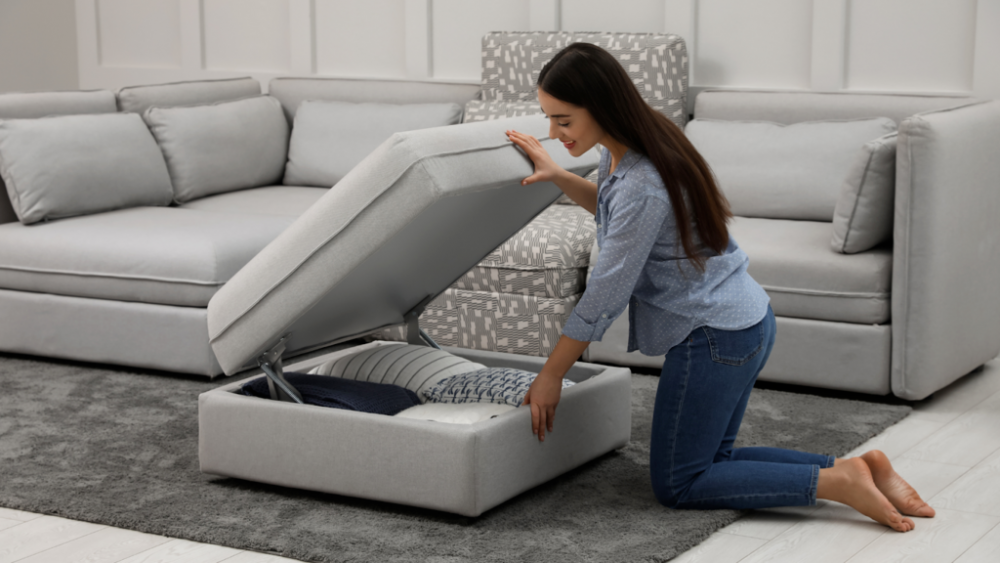
Keep 18 inches between your coffee table and seating. Your shins will thank you. Working with limited square footage? sectional with storage solves multiple problems at once—you get generous seating plus hidden compartments for blankets, board games, remote controls, and all that random stuff that usually ends up scattered everywhere.
Angle chairs slightly toward one another to build natural conversation zones. And those walkways? They need 30-36 inches minimum. Nobody wants to sideways-shuffle through their own house like they’re navigating a subway at rush hour.
DO: Layer Your Lighting for Maximum Impact
A single overhead light fixture creates all the warmth of a DMV waiting area. Not exactly the vibe you’re going for. Instead, think in three layers: ambient lighting handles overall brightness, task lighting covers reading or detailed work, and accent lighting showcases your artwork or architectural details.
Put dimmer switches everywhere you possibly can. When positioning table lamps, the shade’s bottom edge should hit eye level while you’re seated—typically 26-30 inches off the floor. Scattering multiple light sources around eliminates those harsh shadows and injects warmth that one ceiling fixture simply cannot deliver.
DO: Create a Cohesive Color Palette Using the 60-30-10 Rule
Designers lean on this trick constantly because it works. Your dominant color covers 60% of the room (think walls and major furniture pieces). Secondary color takes 30% (curtains, accent chairs, area rugs). Then splash a bold accent across the remaining 10% (pillows, artwork, smaller accessories).
Test paint samples under different lighting before you commit. That gorgeous greige might turn unexpectedly purple at sunset or weirdly green under certain bulbs. Colors dramatically impact mood, so pick intentionally based on the feeling you’re chasing.
After getting your furniture properly scaled and positioned, the next game-changer is making sure your space looks incredible at every hour—morning light, afternoon shadows, evening glow.
DO: Invest in Multi-Functional Furniture Pieces
Smart furniture pulls double duty without screaming “utilitarian.” Ottomans with secret storage compartments, nesting tables that disappear when you don’t need them, console tables with lower shelving—all maximize efficiency. Sleeper sofas let you host overnight guests without surrendering an entire room to a bed that sits empty 350 days a year.
Storage benches under windows deliver seating, storage, and that cozy reading nook aesthetic simultaneously. Modular furniture adapts when your life changes—rearrange pieces into different configurations instead of buying everything new.
DO: Establish a Clear Focal Point
Every room needs one element that grabs attention immediately when someone enters. A fireplace, stunning artwork, gorgeous windows with killer views—something. Arrange furniture to emphasize this focal point rather than competing with it.
Multiple focal points fighting for attention confuses the eye and waters down impact. Room lacking architectural drama? Create a focal point yourself with a large-scale gallery wall or one showstopping furniture piece. Aim lighting toward your focal point to hammer home its importance.
The Critical Don’ts That Are Sabotaging Your Living Room
You’ve learned the essential practices, but here’s the thing—one common mistake can unravel everything else you’re doing right. Let’s identify these design killers and eliminate them.
DON’T: Push All Furniture Against the Walls
This creates what designers call the “bowling alley effect”—furniture hugging the perimeter while the middle sits empty and awkward. Float furniture away from walls, even just a few inches, and you’ll see better flow plus more intimate conversation areas immediately.
Pull that sofa out to define different zones in open-concept spaces. Group chairs and tables into natural clusters where people can actually converse without shouting across the Grand Canyon. This technique adds depth and makes even compact rooms feel deliberate instead of accidental.
DON’T: Neglect Proper Scale and Proportion
Is that oversized sectional swallowing your studio apartment whole? It’s choking the life out of your space. Flip side: tiny furniture scattered across a massive room looks like you’re staging a dollhouse. Select pieces that match your room’s dimensions, and factor in ceiling height—low-profile furniture actually works beautifully in rooms with high ceilings.
Skip the matching furniture sets entirely. They’re personality-free and make your place look like page 47 of a catalog. Mix pieces thoughtfully instead, varying heights, materials, and styles while keeping things cohesive.
DON’T: Overlook the Power of Negative Space
Spencer Rascoff, Zillow’s former CEO, ended up selling his own home for a shocking 40% below its Zestimate—proof that even industry experts struggle when spaces lack proper presentation, including strategic negative space. Fight the urge to cover every surface and wall. Breathing room between pieces prevents visual chaos and generates calm.
Leave shelves partially empty on purpose. Your coffee table doesn’t need seventeen decorative objects competing for attention. Intentionally empty space makes what you do display more powerful and gives eyes somewhere to rest.
DON’T: Use Inadequate or Single-Source Lighting
Depending entirely on overhead lighting casts harsh shadows and creates unflattering illumination that makes everything look worse. Dark corners shrink rooms and kill any inviting atmosphere. Position lamps strategically to eliminate shadows and layer different sources throughout.
Pay attention to color temperature—shoot for 2700-3000K for warm, welcoming light in living areas. Mixing different color temperatures creates this unsettling, disjointed feeling that’s tough to identify but definitely registers as “off.”
DON’T: Ignore Traffic Flow and Functionality
Blocking natural pathways irritates everyone using the space daily. Don’t sacrifice function for aesthetics—that gorgeous chair planted in the main walkway will annoy you every single day. Furniture spaced too far apart forces awkward shouting during conversations.
Never obstruct doorways and entry points. Walk through your room from different angles to spot bottlenecks. If you’re constantly bumping into things or taking weird detours, keep rearranging until movement feels effortless.
Budget-Friendly Implementation Strategies
These universal strategies work in any living room, but specific challenges need targeted solutions customized to your room’s quirks.
High-Impact Changes That Won’t Break the Bank
Paint delivers the biggest bang for your buck, period. Fresh color completely transforms a room’s energy and makes everything look updated. DIY projects like reupholstering worn furniture or creating custom artwork inject personality without the designer price tag.
Rearranging furniture costs exactly zero dollars. Sometimes just angling your sofa differently or swapping pieces between rooms creates an entirely new atmosphere. Hit up thrift stores and secondhand marketplaces for unique finds—that vintage credenza probably costs less than buying new and carries infinitely more character.
Knowing Where to Invest Your Money
Quality sofas and rugs justify spending more because they endure years of constant use. Trendy accent pieces work perfectly as budget buys since you’ll replace them when styles shift anyway. Look for solid wood construction, reinforced corners, and quality upholstery when selecting investment pieces.
Wait for sales on major purchases but never compromise on fundamentals like comfort and durability. Building your room gradually beats rushing to fill space with mediocre furniture you’ll regret six months later.
Smart spending gets your living room to its best state, but maintaining that fresh, functional feeling requires ongoing evolution and thoughtful upkeep.
Living Room Design Comparison Table
| Approach | Pros | Cons | Best For |
| Professional Designer | Expert execution, cohesive vision, industry connections | Expensive ($3K-15K+), less personal control | Large budgets, major renovations |
| DIY with Research | Budget-friendly, full creative control, personal satisfaction | Time-intensive, potential mistakes, trial and error | Patient learners, flexible timelines |
| Hybrid (Consultation + DIY) | Professional guidance, manageable cost, educational | Requires self-discipline, partial vision | Most homeowners, moderate budgets |
Common Questions About Living Room Transformations
What’s the biggest mistake people make when redesigning their living room?
Shoving all furniture against walls takes the top spot. This creates terrible flow and wastes all that central space. Floating furniture builds better conversation zones and makes rooms feel intentional and actually comfortable.
How can I make my small living room look bigger?
Use lighter wall colors, pick furniture with exposed legs, hang curtains high and wide, position mirrors strategically, and keep walkways clear. Decluttering and incorporating multi-functional furniture also tricks the eye into seeing more space.
Should I follow design trends or stick with timeless choices?
Do both. Invest in timeless, quality pieces for major furniture, then bring in trends through easily swappable accessories like pillows, throws, and smaller décor items. This keeps your space current without requiring expensive overhauls every few years.
Final Thoughts on Living Room Transformation
Understanding how to make your living room look better doesn’t demand a designer’s budget or years of training—just awareness of these fundamental living room design mistakes to avoid and commitment to implementing proven living room styling ideas.
Pick one significant “do” this week, whether that’s floating your furniture or adding another light source. Then eliminate one “don’t” that’s been bugging you. Small, intentional changes build into dramatic transformations that turn your living room into a space you’re genuinely excited about, not just a room you tolerate walking through.