Introduction
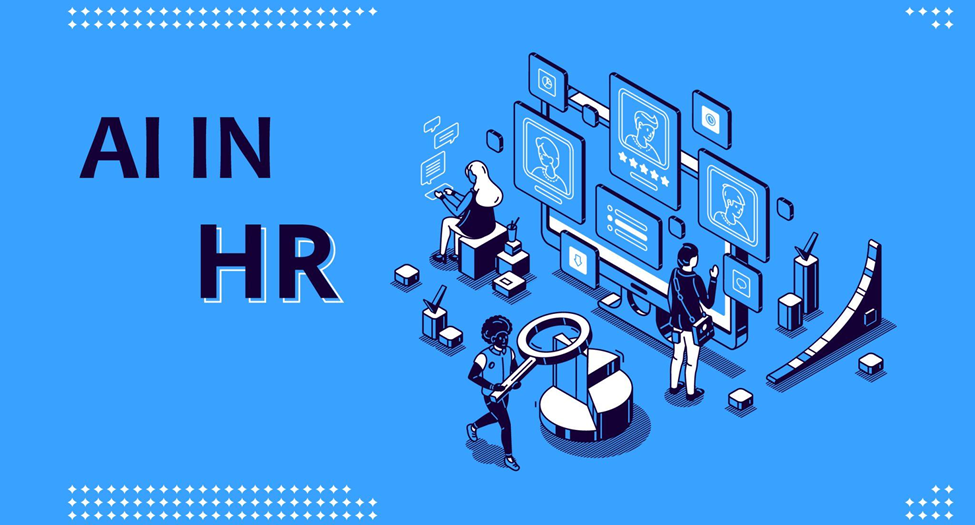
Artificial Intelligence now shapes hiring, payroll, learning, and performance systems. Many people ask a sharp question: Is an HR career still relevant in a world of AI? The short reality is this. AI changes HR, but it does not replace it. Instead, it raises the technical bar and shifts HR from manual work to strategic work. Modern HR blends technology, data, psychology, compliance, and business thinking. Companies still need humans to manage humans. AI only supports that process. In 2026 and beyond, HR remains relevant because organizations depend on trust, ethics, culture, and judgment. These areas still need human leadership. HR Training and Placement programs help learners gain practical skills and connect with hiring companies.
How AI Has Changed Human Resources
AI automates many traditional HR tasks. Natural Language Processing enhances resume shortlisting based on filter profiles. Chatbots are used to answer employee queries. Predictive models help detect attrition. Moreover, companies use earning platforms to offer on-the-job training options for employees. Payroll systems detect anomalies using machine learning.
This shift removes repetitive work. It does not remove HR roles. It changes the skill mix. HR professionals now work with HRMS platforms, data dashboards, and AI-driven insights. This reduces efforts on form building and hemps emphasise decision-making. Thus, HR operations become more technical.
Why HR Cannot Be Fully Automated
AI works on data patterns. Humans work on values, context, and emotions. HR sits at the intersection of people and business. That space cannot run on algorithms alone.
Employee conflicts need empathy. Leadership coaching needs trust. Ethical hiring needs human judgment. Compliance decisions need legal understanding. Culture building needs storytelling and influence. AI lacks moral reasoning and emotional depth.
HR professionals deal with sensitive situations like layoffs, harassment cases, and mental health support, etc. which require human intellect. Artificial intelligence may provide assistance but can never replace human judgement in such situations. An HR Management Course builds strong knowledge of workforce planning, compliance, and organizational strategy.
New Technical Skills HR Professionals Must Learn
Today, HR roles require tech proficiency to use various tools that automate HR functions. Therefore, professionals must adopt themselves to the transformations to stay relevant.
Key skill areas include:
- Ability to perform HR analytics
- Skills in dashboards and KPIs
- Proficiency in using AI-based recruitment platforms
- Knowledge of data privacy, consent, and labour law compliance
- Ability to integrate HRMS with ERP and payroll systems
HR professionals skilled in AI models are in huge demand today as most modern organizations shift to AI-driven technologies.
AI and Bias: Why Human Oversight Matters
AI learns from past data. Therefore, errors and discrepancies in past data leads to errors in AI systems. This negatively impacts HR processes in companies. This makes the role of HR professionals vital in such cases.
They audit datasets. They validate outcomes. They design inclusive policies. They ensure AI tools follow labour laws and diversity goals. Without HR oversight, AI can damage employer brand and invite legal action.
This makes HR a governance function in AI-driven organizations. An HR Certification Course validates professional skills and improves credibility in competitive job markets.
Strategic HR Becomes More Powerful with AI
AI gives HR better insights. Predictive analytics helps forecast attrition. Engagement risks can be detected with sentiment analysis. Hr professionals can enhance workforce planning with skills mapping teechniques.
HR leaders assist CEOs based on data insights to drive better workforce planning, productivity and overall growth. This makes HR professionals vital in major companies.
In 2026, strong HR teams act as business partners. AI gives them speed and scale. Humans give them direction and meaning.
HR Roles That Are Growing Despite AI
AI does not eliminate HR roles. It reshapes them. Many HR roles are growing because technology increases complexity.
Examples include:
- HR Analytics Manager
- Talent Intelligence Specialist
- Employee Experience Designer
- HR Compliance and Risk Manager
- Learning and Development Technologist
These roles require business sense, technical literacy, and people skills. AI supports the work. Humans own the outcomes. An HR Course in Delhi offers exposure to diverse industries and real corporate HR practices.
HR as the Guardian of Workplace Ethics
AI use raises serious questions. Who owns employee data? How transparent are decisions? Can employees challenge AI outcomes?
HR defines these rules. HR builds ethical AI policies. HR trains managers on responsible AI use. HR ensures fairness and transparency. As regulations tighten globally, this responsibility grows. Companies need HR leaders who understand both law and technology.
The Future HR Professional Profile
The future HR professional looks different from the past. Modern Hr roles requires professionals to blend AI, data tools, and human judgement to drive companies and employee forward. They manage systems and emotions together.
This hybrid profile stays valuable because businesses remain human systems at their core. AI optimizes. HR humanizes.
Conclusion
An HR career is not only relevant in a world of AI. It is more critical than ever. Artificial Intelligence Online Course in India removes routine work but increases responsibility, complexity, and impact. HR professionals now act as strategists, data interpreters, ethics guardians, and culture builders. One can join HR Training in Noida for the best hands-on training using latest AI-driven tools and techniques. Companies need human touch in sensitive matters and matters that require human judgement. Although AI and tools make repetitive tasks easier, they cannot replace human intellect. This makes HR roles highly relevant in modern enterprises. Moreover, HR professionals today lead the future of work.