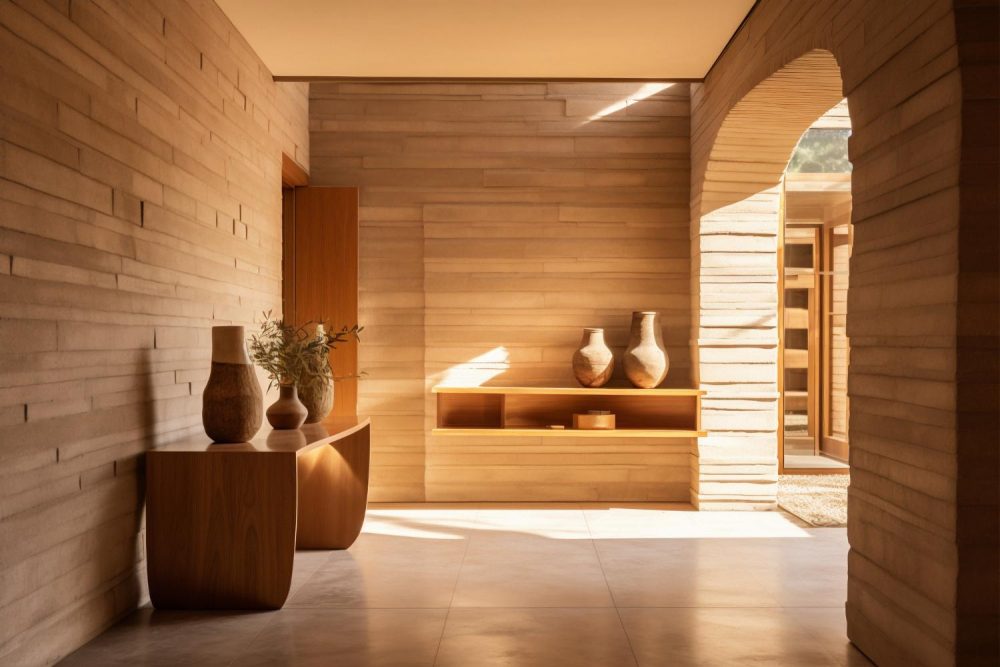
Hey there! If you’re considering a creative career, contemplating how to renovate your own house, or dreaming about how we might live and work in beautiful spaces in the future, at some point you’ve probably asked yourself: What is interior architecture, and how does it differ from interior design? It’s more difficult to answer than you might think, and it’s increasingly significant now, of all times, in 2026 — because there are new concepts emanating from the mind of man; there is startlingly advanced technology designed for gaming; and the industry itself has changed.
In this essay,y I’ll delve more deeply into these two areas of design that are often lumped together but differ considerably in practice. By knowing the ways they differ and how they coincide, you’ll be able to decide which of them will help determine your project or even your career in the future.
What is the Difference Between Interior Architecture and Interior Design?
If you’re just starting to become familiar with interior architecture and interior design, the idea that they’re different might be hard to believe. They’re both about making indoor spaces better, after all. One is focused on the skeleton of a space, and the other on its skin.
What is Interior Architecture?
Interior architecture is the bones of a space. Interior architects focus on the architectural aspects of a space, including walls, windows, doors, finishes, textures, light, furnishings, and furniture. They also focus on technical systems, such as lighting and ventilation.
Their works could be renovations, alterations, or reuses of previous buildings. They also team up with architects and engineers to ensure that any structural alterations are safe, functional , and well-integrated with the existing design.
In other words, interior architecture is “designing from the inside out,” in a way similar to how architecture is defined as designing from the outside in.
What Is Interior Design?
Interior design is more concerned with the sensory experience of interior space. Interior designers play with colours, furniture, materials, textures, light, and decorative items to create spaces that communicate aesthetic sensibility and welcome users.
Aesthetics matter, but interior designers say how a home feels matters just as much — and that’s something homeowners are thinking about now. They think about the impact a space has on someone’s mood and how they act, and pay attention to materials and space planning, often with an eye toward expressing who the client is or what a brand is about.
In short, interior architects design the structure; interior designers design the space.
What’s New in 2026?
Interior architecture and design are evolving quickly, especially with the rise of sustainable design, smart technology, and wellness design.
Here’s what’s new in 2026:
In interior architecture, sustainable building materials, energy-efficient construction, and fully integrated smart home systems used from the outset are becoming more of a standard.
Interior designers are also increasingly incorporating biophilic design, mood-based lighting and furniture that is adaptable for hybrid work-life spaces.
When fashion meets interior design, we are seeing more and more collaboration between interior architecture and interior design to make aesthetics work with functionality and comfort, particularly in modern residential and commercial designs.
Education and Licensing
Educational paths can also be different. Interior architects will have very similar educational paths to those of architects, and they may even be required to be licensed in their field. Interior designers often have more varied education and may be credentialed, such as through the NCIDQ, to demonstrate industry expertise.
Why This Difference Matters
What interior architecture is (and what it isn’t!) The distinction between interior architecture and interior design can be very subtle, but when you get down to it, there’s actually a big difference between the two. This is important to remember, especially if you’re:
Hiring a Professional
You need to know the boundaries of each profession so you can select the right professional for your situation. Structural renovation? You might want an interior architect. Styling and decorating? Aninterior designer could be right for you.
Picking a Career Path
If you enjoy technical problem-solving and building, interior architecture could be the route for you. If you have an aesthetic sense and like understanding human behaviour and expression, this is the best career for you.
Designing Your Own Space
Even if you’re not writing a check to anyone, the difference between what works “under the hood” and what makes something look good will help inform your decisions, both as you make them and when you have to tell someone else your ideas.
You can also see the rise of hybrid professionals with expertise in both. With digital technologies, 3D modelling and virtual reality walkthroughs increasingly widespread, it’s never been easier to envision not only structure but also style before a foundation is even poured.
Final Thoughts
Interior architecture /Interior Design are related but not the same; this comparison allows us to examine both vocations. Each is distinct and valuable in creating spaces that look beautiful and work beautifully.
Next time you hear either of those two terms, you’ll know that, together, they refer to two related skills coming together to create spaces that just feel right.
Thanks for reading! So be sure to stay tuned for our next post, where we’ll see how AI and AR are further changing the landscape of home design. Until then, dream all big and cosy.