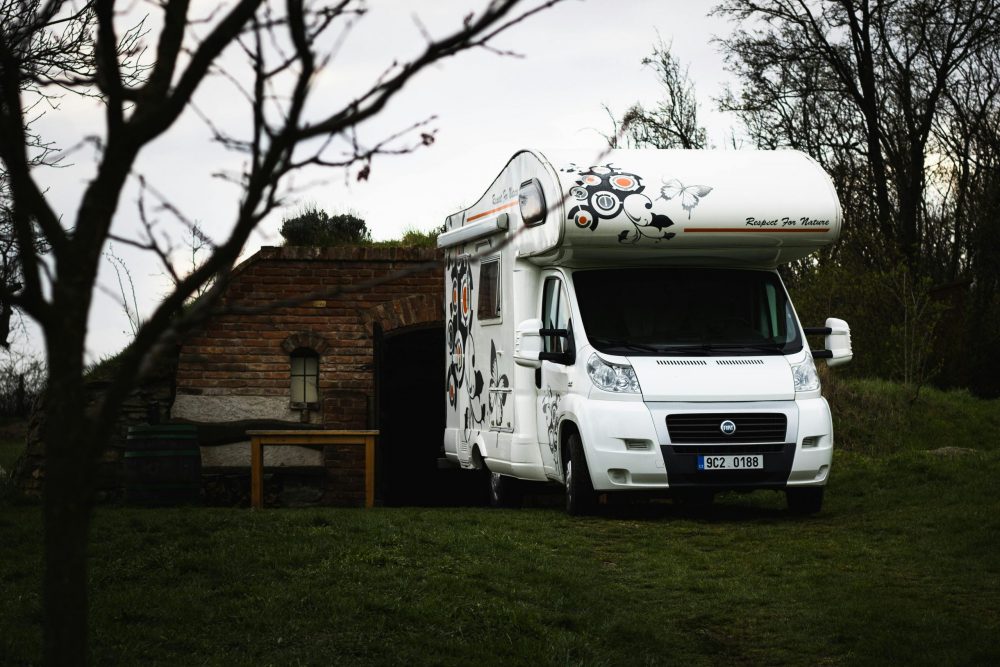
Buying a used RV can be a great way to enjoy traveling without breaking the bank. But used RVs come in all sorts of conditions, so it’s crucial to check them out before you commit. From hidden water damage to worn-out mechanical parts, missing important issues can lead to expensive fixes later on. Taking your time to look over the RV’s condition helps you make a smart informed purchase and start your travels on the right foot.
Start with a Detailed Look at the Outside
Begin your check with the outside of the RV. This shows a lot about how well someone’s kept it up. Take your time and walk all the way around looking at the sides for any cracks, dents, bubbles, or soft spots. These often mean water’s gotten in or the layers are coming apart. Don’t forget to look at the roof – it’s one of the most important parts to check for damage. Make sure the seals, vents, and skylights on top are in good shape and not cracking or coming loose.
Windows, doors, and storage areas should open and shut without issues. Take a look at seams and weatherstripping, check the RV’s underside for rust, and verify that the awning works . Even when scanning listings or wandering through a dealer’s lot advertising “used RVs for sale,” the outside condition can help you focus on which options need a closer look.
Check Inside for Wear, Damage, and Water Problems
Water damage poses one of the biggest threats to used RVs. Even tiny leaks can cause mold, hurt the structure, and cost a lot to fix. When you look inside the RV, keep an eye out for stains soft areas, or odd colors on ceilings, in corners, and along floor edges. Push on walls and around windows to make sure they feel firm.
Look at the floors to see if they’re warped, if carpets are worn out, or if the surface isn’t even. Cabinets should open without trouble, and furniture needs to be steady. Pay attention to how things smell musty odors might mean there’s moisture somewhere. Take a close look at the bathroom and kitchen under sinks, to see if pipes show any signs of old or current leaks.
The state of the interior shows how people used and looked after the RV. A clean, dry, and well-kept inside often points to a more trustworthy buy.
Check Appliances, Electrical Systems, Plumbing, and HVAC
After you’ve checked the structure and it looks good, focus on the systems that make an RV work. Switch on the lights, check outlets, and make sure the breaker panel and fuses work . If you can, plug in shore power to see how the RV runs under normal conditions.
Turn on the fridge, oven, microwave, and water heater. Check the AC and furnace, as they keep you comfy but can cost a lot to fix. Start the water pump and turn on each tap to check for steady water flow. Look for leaks around sinks, toilets, and outside water connections.
Flush the toilet, try out the shower, and look at both the gray and black tank valves. A good RV should have systems that work well without weird sounds, pressure drops, or sudden problems.
Check the Engine, Chassis, and How It Drives (for Motorized RVs)
When buying a motorhome instead of a towable RV, you need to check its mechanics. Start by looking at the engine. Look for oil leaks rusty battery terminals, or broken belts and hoses. Make sure to check all the fluids, like transmission, coolant, oil, and brake fluid.
Ask for maintenance records if you can get them. These can show if the RV has been taken care of or ignored. Take the RV out for a spin. Pay attention to how the engine speeds up how the brakes work, and how steady the vehicle feels at different speeds. Listen for any weird noises from the suspension or drivetrain.
Look at the tires to see if they’re wearing . This might point to problems with alignment, suspension, or overloading. RV tires often get old before they wear out so check the date they were made on the side of the tire.
Check Papers, Past Owners, and Warranty Choices
Knowing the full story of who owned the RV before helps show how well they took care of it. Ask for records of service, bills for fixes or upgrades, and proof that any recalls were taken care of. Make sure the seller has a clean title and check that the VIN is real.
If the RV is still under the maker’s warranty, check if you can transfer it. Some sellers also offer extra service plans, which can be good for buyers worried about future repairs.
If you’re not sure about something, think about getting a certified RV inspector to check it out. They have the know-how to spot problems you might not see, which can give you more confidence in your decision.
Conclusion
You need to check a used RV before you buy it. This helps make sure it’s reliable, comfortable, and worth your money in the long run. Take a close look at the outside, inside, systems, and mechanical parts. Also, make sure to go through all the paperwork. Doing this lets you make a smart choice and avoid any nasty surprises. If you prepare well and pay attention to the details, your used RV can become a trustworthy home on wheels, ready for many adventures to come.