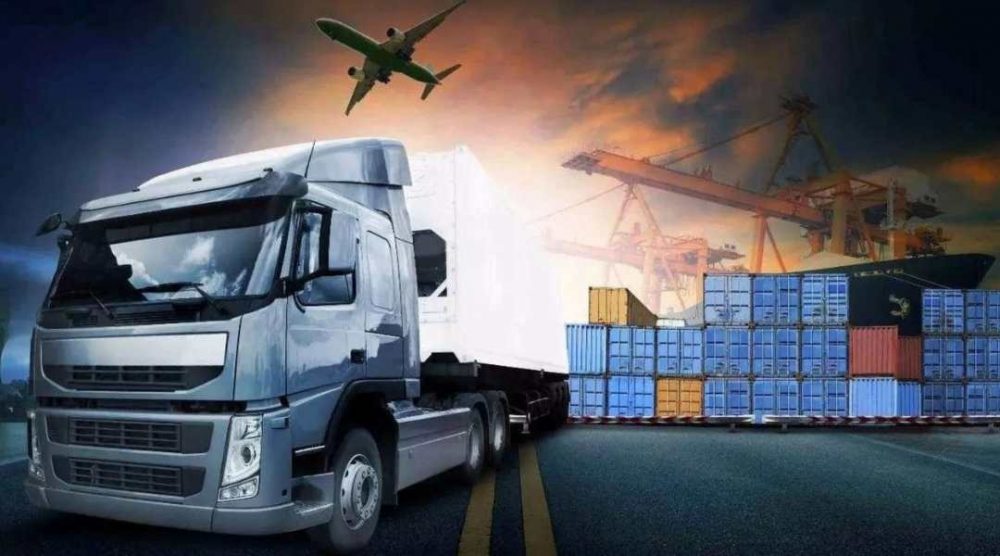
Logistics innovation at its core
Freight transport is an integral component of the global economy. Every day, millions of tons are moved across continents from producers to consumers – connecting producers with consumers. Technology plays an essential role in increasing operational efficiency; not only saving time and costs while simultaneously increasing reliability, transparency, and sustainability of supply chains. Digital innovations grant firms increasingly powerful capabilities, to plan, execute, and control transportation flows with pinpoint accuracy. This transformation is becoming more and more salient, given globalization, competitive pressures, and the growing expectations of customers for speed and traceability.
Automation of logistics processes
Automation is one of the key pillars for improving freight forwarding transport efficiency, eliminating manual tasks and human error to speed up operations and increase overall efficiencies. Warehouses employ order picking robots, smart conveyors and automated sorting systems to optimize flow management while saving costs by streamlining flow management.
Transport Management Systems (TMSs) provide administrative benefit by automating route planning, document management, invoicing and delivery tracking processes. TMS tools also facilitate data centralization, process standardization and enhanced responsiveness.
Real time tracking with IoT
IoT (Internet of Things) is revolutionizing goods tracking. Through connected sensors, it is now possible to pinpoint package location, monitor temperature, humidity or shock sensors and receive alerts if there are anomalies; all while enhancing transparency, security, and service quality. Carriers can anticipate delays, respond swiftly to incidents and notify their customers promptly of changes – an invaluable capability in industries like pharmaceuticals, food processing or electronics where visibility is of great significance.
Artificial Intelligence to optimize decisions
Artificial Intelligence (AI) allows the analysis of massive volumes of data in order to make faster, more relevant decisions faster. AI is used for forecasting demand, optimizing routes, adjusting transport capacity and detecting anomalies – among other uses.
AI algorithms can suggest the optimal mode of transport based on factors like cost, time and carbon footprint. Furthermore, these simulations enable businesses to anticipate peak activity periods, supply disruptions or climate-related disruptions more accurately.
Use Blockchain technology for secure transactions
Blockchain offers a novel way to secure logistics transactions and guarantee their integrity. It allows for the formation of an immutable digital ledger that is accessible and shared by all parties in the supply chain, and each transport leg is recorded vis-à-vis the same ledger in a transparent manner to assist with controls, audits, and dispute resolution.
This technology is especially useful in international trading transactions, where a document needs to be validated by various parties. Rather than having to trust the sender of a document, the technology can eliminate fraud, mistakes, and additional administrative delays, as well as build trust among partners.
Collaborative platforms designed to streamline exchanges.
Digital platforms connecting shippers and carriers help manage freight flows efficiently. Users can compare offers, book transport capacity in real time, pool resources and compare offers – this collaborative approach increases vehicle fill rates while decreasing empty trips and costs.
These platforms foster price transparency, service traceability, and rapid reactions to unforeseen events. Its service covers multinational corporates and SMB’s so only making high-end logistics options accessible.
Electric mobility and alternative fuels
Technology plays an integral part in the energy transition of Dubai freight forwarders and transport. Electric, hybrid and natural gas-powered vehicles offer cleaner alternatives than internal combustion engines – helping reduce CO2 emissions, noise pollution and dependence on fossil fuels.
Innovations in batteries, charging infrastructure and energy management systems have rendered these solutions increasingly cost-effective, while connected fleets enable fleet managers to optimize vehicle range, routes and maintenance schedules.
Augmented reality and immersive training provide a powerful combination.
Augmented and virtual reality (AR/VR) technologies are finding their place in freight transport, being used to train drivers, simulate complex situations, visualize logistics flows in 3D, improve understanding and decision-making and increase safety. These immersive technologies enhance understanding, safety and decision -making processes.
Device maintenance solutions also facilitate equipment upkeep by remotely guiding technicians or overlaying technical information onto physical objects – thus minimizing downtime, errors, and intervention costs.
Integration challenges posed by technological development
Though technology integration in freight transport presents many advantages, there are also unique challenges associated with it. Implementation requires investments, specific skills and change management; companies must adapt processes as necessary, train teams appropriately and ensure data security before going live with this initiative. System compatibility, format standardization and interoperability among stakeholders are major challenges. To take full advantage of innovations, it is vitally important to create an interconnected, collaborative and agile logistics ecosystem.
Conclusion: Progressing to smart sustainable logistics
The impact of technology on freight transport has been revolutionary: freight transport is now more efficient, transparent and environmentally friendly than ever. Companies now have access to solutions with the power to optimize business performance, increase customer satisfaction, and improve competitiveness through technological solutions that enhance freight transport processes. Adoption of logistics technologies, in a growing digital, global and ecological, business ecosystem, is no longer optional; it is required. Companies that are ahead of the curve, invest in innovation, and create smart supply chains will be the winners in tomorrow’s marketplace.