Introduction
The project was already behind schedule when the team discovered the problem. The drawings looked complete, the plan seemed solid, but once construction began, hidden clashes and mismatched dimensions started to appear. Walls were not where they were expected to be. Services overlapped.
Work stopped while teams rushed to fix issues that should have been identified earlier. Stories like this are common in today’s construction industry, especially when projects rely on outdated or incomplete site information.
As construction projects grow more complex, the gap between design intent and actual site conditions becomes harder to manage. Traditional surveys and manual measurements often fail to capture the full picture. This is where Scan to BIM has changed the way construction teams work.
By capturing real-world conditions and turning them into accurate digital models, the Scan to BIM service can help teams avoid surprises, plan with confidence, and deliver projects more efficiently. It has become an essential tool for modern construction, not just for accuracy, but for control, clarity, and consistency.
What Is Scan to BIM?
Scan to BIM is a process that uses laser scanning technology to capture the physical conditions of a building or site with high precision. Laser scanners collect millions of data points, known as point clouds, that represent the exact geometry of existing structures. These point clouds are then converted into intelligent BIM models using specialized software.
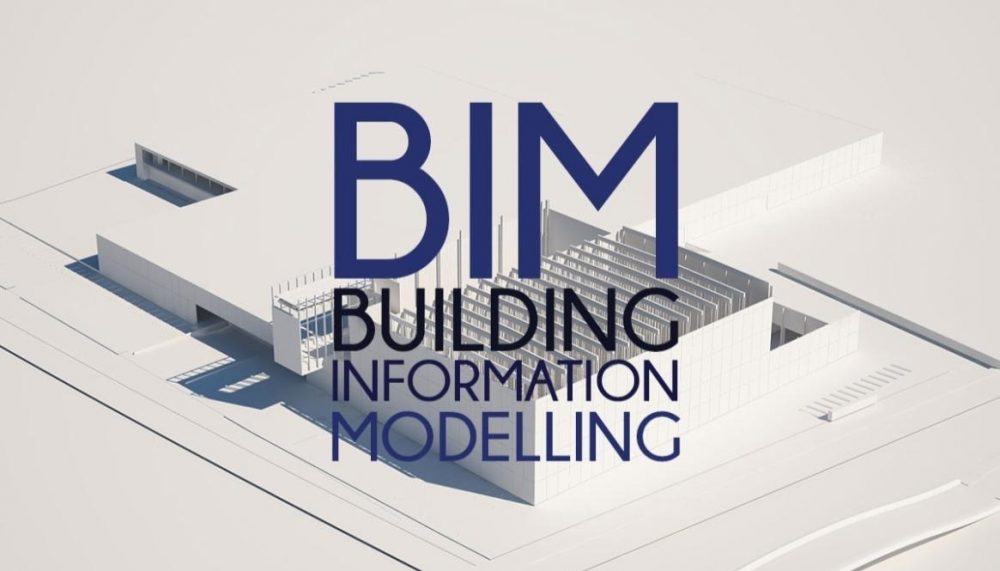
Unlike traditional drawings, Scan to BIM models reflect what actually exists on-site. They include detailed architectural, structural, and MEP elements, creating a reliable foundation for design, coordination, and construction planning. This level of accuracy is especially valuable for renovation, retrofit, and expansion projects where original documentation may be missing or unreliable.
Why Accuracy Matters in Modern Construction
Accuracy is the foundation of successful construction projects. Even small measurement errors can lead to major consequences, including design conflicts, material waste, and schedule delays. In modern construction, where multiple disciplines work simultaneously, inaccurate information quickly multiplies into costly problems. Relying on outdated drawings or assumptions increases the risk of rework and disrupts coordination between teams.
As projects become more complex, accuracy directly affects profitability and client trust. Precise data allows construction teams to plan effectively, coordinate trades, and execute work without unexpected interruptions. Accurate as-built information also supports better decision-making throughout the project lifecycle. Without accuracy, construction companies face increased risk, reduced efficiency, and unpredictable outcomes.
Key Reasons Scan to BIM Is Important Today
Accurate Representation of Existing Conditions
Scan to BIM captures real-world site conditions with high precision. Laser scanning records exact dimensions and geometries, eliminating guesswork during design and planning. This ensures that BIM models reflect what actually exists on-site.
Reduced Rework and Construction Errors
By identifying design clashes early, Scan to BIM helps teams resolve conflicts before construction begins. This significantly reduces rework, change orders, and on-site delays, saving both time and money.
Improved Coordination Across Disciplines
Scan to BIM creates a shared digital model that architects, engineers, and contractors can rely on. Working from a single source of truth improves communication and reduces misalignment between project stakeholders.
Time and Cost Efficiency
Accurate models improve scheduling, sequencing, and quantity take-offs. Construction teams can plan resources more effectively, reduce waste, and maintain tighter control over project budgets.
Better Risk Management
With reliable as-built data, construction companies can anticipate challenges and address them early. Scan to BIM reduces uncertainty, improves compliance, and lowers overall project risk.
In today’s fast-paced construction environment, Scan to BIM is no longer optional. It plays a vital role in delivering accurate, efficient, and predictable project outcomes.
Choosing the Right Scan to BIM Partner
The effectiveness of Scan to BIM depends greatly on the expertise of the partner delivering it. Construction companies should choose a Scan to BIM provider with strong industry experience, proven technical skills, and a clear understanding of construction workflows. Model accuracy, adherence to project standards, and quality control processes are critical factors when selecting the right partner.
Next Synergy Solution is a trusted Scan to BIM service provider that helps construction companies achieve reliable and practical BIM outcomes. With extensive experience in converting laser scan data into high-quality BIM models, Next Synergy Solution supports contractors, developers, and AEC firms across diverse project requirements. The team focuses on precision, coordination, and clarity, ensuring that every model aligns with real-world site conditions and project goals.
Next Synergy Solution follows strict quality checks and industry best practices to deliver accurate, construction-ready BIM models. By working closely with clients, the team ensures seamless integration of Scan to BIM into existing workflows, helping reduce risk, improve collaboration, and support informed decision-making throughout the project lifecycle.
Conclusion
Scan to BIM has become a critical component of modern construction. It addresses the industry’s growing need for accuracy, coordination, and efficiency by turning real-world conditions into reliable digital models. From reducing rework to improving planning and collaboration, Scan to BIM delivers clear value at every stage of a project.
As construction continues to evolve, companies that adopt Scan to BIM position themselves for long-term success. Partnering with an experienced provider like Next Synergy Solution ensures that Scan to BIM is not just a technical process, but a strategic advantage that drives better project outcomes and sustained growth.