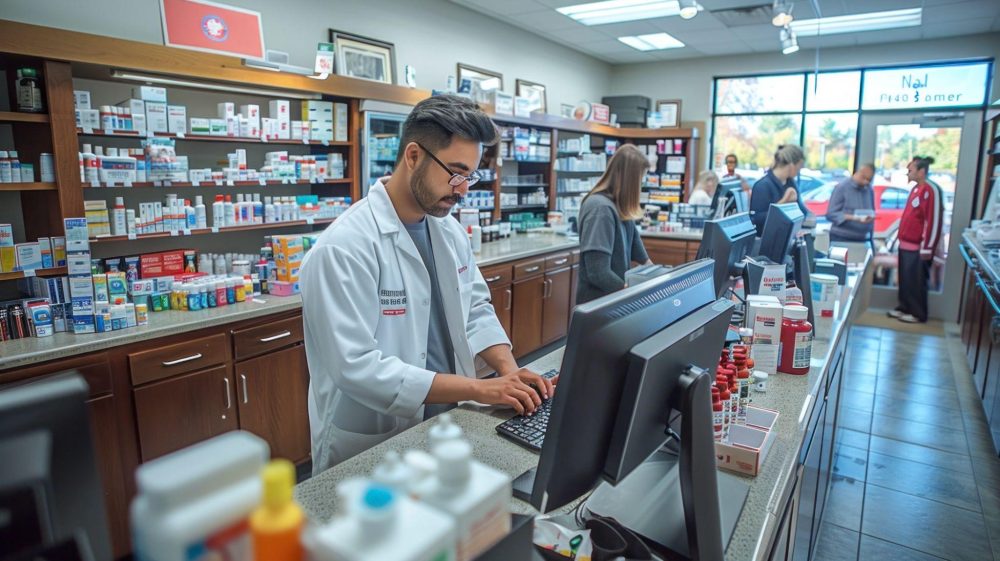
Specialty drugs are extremely expensive and can cripple your savings. Specialty drugs treat conditions with serious consequences such as cancer, multiple sclerosis, and rare genetic syndromes. These medications often have price tags of thousands of dollars per month. However, a lesser-known component of the healthcare system acts as a major factor in reducing the cost of medication for patients in the form of pharmaceutical wholesalers.
How Wholesalers Bridge the Gap
Pharmaceutical wholesalers play the middleman between drug producers and healthcare providers. They buy large amounts of drugs from the companies that manufacture them and deliver the supplies to pharmacies, clinics, and hospitals all over the country. They buy drugs in large quantities at rates that can provide savings, which helps to dispense medication at lower prices.
When wholesalers purchase specialty drugs in large volumes, they obtain opportunities to have arrangements with the drug manufacturers to achieve lower prices. In some ways, it reflects a warehouse store. If groups buy larger volumes, they receive discount prices. These savings trickle down the supply chain from wholesalers to payers, making certain expensive treatments more affordable for patients.
How Wholesalers Help Lower Specialty Drug Costs
Organized Distribution Systems
- Wholesalers lower storage and delivery expenses by using better logistics systems.
- They combine shipments from different manufacturers to cut down on shipping charges.
- Smarter inventory tracking helps prevent waste from expired medications.
Programs to Provide Financial Support
- Wholesalers set up programs to assist patients with payments if they meet the requirements.
- They also offer healthcare providers several payment options, which help improve cash flow management.
- Some wholesalers partner with manufacturers to create programs that help patients access the medications they require.
Streamlined Processes
- Automated systems reduce the costs involved in manual tasks and help prevent errors made by humans.
- Centralized storage allows pharmacies to avoid keeping expensive specialty drugs in stock.
- Electronic tools speed up the ordering process and cut down on extra paperwork.
Advantages of Technology
Modern pharmacy wholesaler suppliers rely on advanced technology to improve processes. Temperature-controlled systems keep specialty medicines effective and prevent wastage. Real-time tracking monitors inventory and expiration dates and sends notifications when supplies need replenishing.
The initial price tag on these technologies might seem steep. But they create savings over time that help everyone in the supply chain. Managing orders better or stopping waste from bad storage can cut expenses and make it easier to control drug prices.
Addressing Market Obstacles
Wholesalers face specific issues in the specialty drug market. Smaller patient groups for rare diseases mean limited production runs, which raises costs. Wholesalers play a key role in helping by:
- Pulling together demand from different healthcare providers to allow larger orders
- Maintaining smart stock levels to make sure medicine stays available without causing unnecessary waste
- Sharing market data to guide manufacturers in making production plans
Wholesalers have a big part in running manufacturer rebate programs. They ensure that discounts and savings reach the correct recipients instead of getting stuck in complicated processes.
Giving Healthcare Providers a Boost
Smaller clinics and independent pharmacies often struggle to secure good deals with manufacturers. Wholesalers step in to give them access to the same affordable rates that large hospitals enjoy.
This fair pricing approach lets patients get specialized medications regardless of their treatment location. Wholesalers help rural hospitals and neighborhood pharmacies deliver the same important care that large urban medical centers provide.
What’s Next?
Wholesalers adapt their role to help make specialty drugs less expensive. As biosimilar drugs come into the market and new treatments emerge, they change their strategies to lower expenses. They focus on dealing with advanced medicines like gene therapies and personalized treatments, aiming to make these breakthrough options as affordable as possible.
Conclusion
Distributors have a largely overlooked role in lowering the excessive costs of specialty drugs in the pharmaceutical market. They buy large quantities, create operational efficiencies for delivery, and create customized support programs, which can further assist in lowering the price of life-sustaining therapies. Specialty drugs will always be expensive because of their complexity and limited number of patients, but distributors are constantly looking for improvements in a cost-effective manner to ease patient access to important therapies.
Common Questions
Q: How much can wholesalers lower the price on specialty drugs?
A: The amount they save will depend on the drug and the market environment. Wholesalers save 10% to 30% on various drugs through buying in bulk or flat rebate programs, by optimizing the distribution channel, and those savings ultimately reach healthcare providers and patients.
Q: Do pharmacies always use wholesalers to obtain specialty drugs?
A: Most pharmacies will use wholesalers for their specialty drugs. Some large hospitals or pharmacy chains may bypass wholesalers and purchase certain specialty drugs directly from the manufacturer. Most rural or independent pharmacies have no choice but to use wholesaler access points to buy specialty drugs and get discounted pricing.
Q: Do patients benefit from wholesaler programs?
A: Yes, wholesalers manage a lot of things, including assistance programs, co-pay discounts, financial assistance programs, etc. For example, wholesalers substantially reduce pharmacy drug expenses by sharing their savings so that the patient may pay less when picking up their medication.