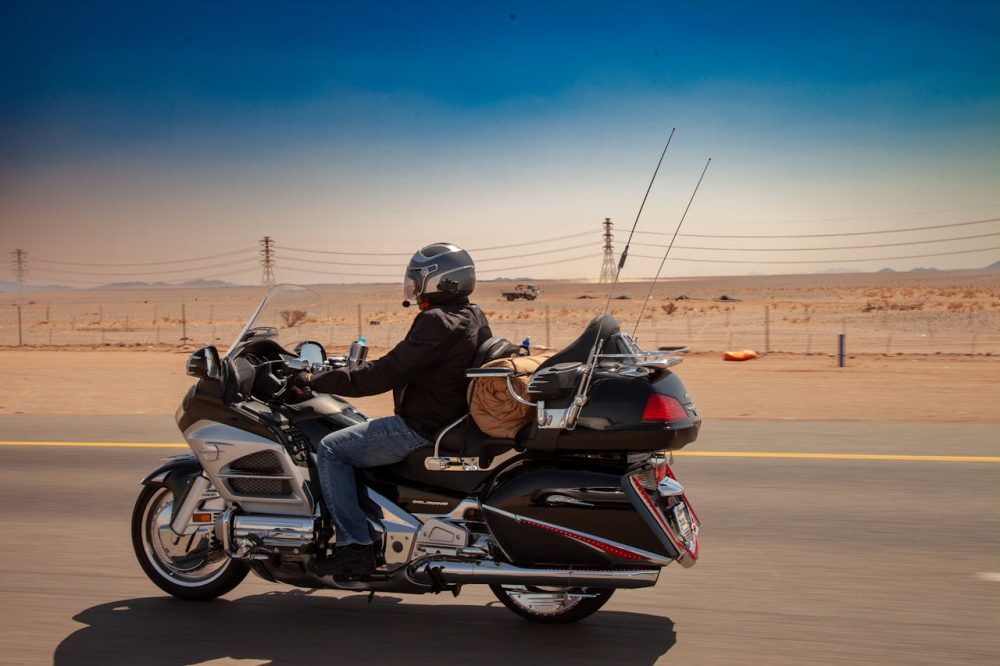
Long-distance motorcycle travel usually starts as an idea long before it turns into a plan. Sometimes it begins after a short ride that went better than expected. Other times it comes from staring at a map and wondering what it would feel like to just keep going instead of turning back.
What most riders learn fairly early is that long trips aren’t about being tough or pushing limits every day. They’re about staying comfortable enough, alert enough, and calm enough to enjoy what’s happening around you. Preparation becomes less about perfection and more about avoiding the small mistakes that slowly wear you down.
Understanding What the Ride Will Actually Feel Like
On paper, covering long distances looks simple. In reality, hours on a motorcycle feel very different once you’re actually doing them. Wind noise builds. The same riding position starts to feel repetitive. Even good roads can feel long by mid-afternoon.
Riders who’ve done this a few times tend to prepare by being honest with themselves. They think about how long they like riding before they start getting restless or tired. They remember what bothered them on previous trips and try to fix those things first.
This kind of preparation isn’t dramatic. It’s quiet and practical. And it makes a bigger difference than people expect.
Letting Go of the Need to Control Everything
One of the most important mental shifts happens before the trip even begins. Long-distance riding doesn’t reward rigid schedules. Traffic happens. Weather changes. Roads close. Some days feel easy; others don’t.
Experienced riders leave room for things to go wrong without calling the trip a failure. They plan a direction, not a script. That mindset alone takes pressure off the ride and makes it easier to adapt when plans change halfway through the day.
Sometimes the best decision you make is stopping earlier than planned. Sometimes it continues a little longer because the road is quiet and your body feels good. Preparation means being comfortable making those calls on the fly.
Setting Up the Motorcycle for Time, Not Speed
Before a long trip, riders usually spend time with their motorcycles in a very practical way. They check things that don’t matter much on short rides but matter a lot over days. Tires, brakes, fluids, and chain tension—none of it is exciting, but all of it builds confidence.
Comfort tends to matter more than performance. A bike can be fast and still be exhausting. Small adjustments make a noticeable difference over time. Seat height, handlebar position, and suspension settings; these details decide how your body feels after six or seven hours.
Some riders also think about weight and balance more carefully before long journeys. Even small reductions can make a motorcycle feel calmer and easier to manage over extended highway stretches, especially when riding day after day. That’s one reason why riders sometimes choose lightweight upgrades such as carbon fiber motorcycle parts—not for visual impact, but for the way they subtly improve stability and reduce fatigue over long distances.
Packing Based on Experience, Not Anxiety
Packing is usually where new long-distance riders overdo it. The temptation to carry everything “just in case” is strong. Over time, most riders realize that carrying less actually makes the trip easier.
Experienced riders pack for reality, not worst-case scenarios. They bring what they use regularly and trust themselves to adapt if something unexpected comes up. Fewer items mean less time digging through bags and less weight shifting around on the bike.
Packing becomes more about organization than quantity. Knowing where things are reduces stress, especially at the end of a long day.
Preparing the Body Without Making It Complicated
Long rides take a physical toll, even if you don’t notice it at first. Fatigue shows up quietly. Focus slips before the body feels tired.
Riders who travel long distances often develop simple habits. They drink water more often than they think they need to. They stop before they’re exhausted. They stretch without making a big deal out of it.
Some riders prepare by doing a few medium-length rides before a big trip. Not to train, exactly, but to remind the body what a full day in the saddle feels like. It helps surface small discomforts early, when they’re easier to fix.
Accepting Weather as Part of the Experience
Weather rarely behaves the way you want it to. Fog, wind, heat, and sudden cold are all part of long-distance riding. Riders who struggle the most are often the ones who expect perfect conditions.
Preparation here is mostly mental. Expecting change makes it easier to adapt. Layers get added or removed. Speed changes. Plans shift. Fighting conditions usually make the day feel longer than it needs to be.
Allowing the Journey to Unfold
At some point, preparation fades into the background. The road starts setting the pace. You stop noticing miles and start noticing moments: how the air smells near the coast, how traffic sounds change near small towns, and how quiet the road gets early in the morning.
These are the things riders remember later. Not the exact route or the distance covered, but the feeling of moving through space without rushing.
Final Thoughts
Preparing for long-distance motorcycle travel isn’t about being ready for everything. It’s about being ready enough. Ready to adjust, ready to slow down, ready to listen to the bike, to the road, and to yourself.
When preparation is thoughtful and flexible, the ride feels less like a challenge and more like a conversation with the road. And that’s usually what keeps riders coming back for the next long trip.