We all like to ignore our HVAC system. It is tucked away in the attic, the crawlspace, or the basement, and as long as it turns on when we hit the button, we assume it is fine. But treating your heating and cooling like a magic box is a quick way to end up with a high electric bill and an emergency repair visit on the coldest night of the year.
The truth is that a house is a machine. If you want it to keep you comfortable, you have to treat it like one. At our core, we believe in a simple code: maintain first, repair second, and replace last. If your current service provider is pushing for a new system the second something goes wrong, you are likely working with a salesperson, not a technician.
Why Maintenance Is Better Than Repair
Think about your car. You change the oil, you rotate the tires, and you keep an eye on the belts. You do this because it is cheaper to keep it running than it is to buy a new engine. Your furnace and air conditioner are no different.
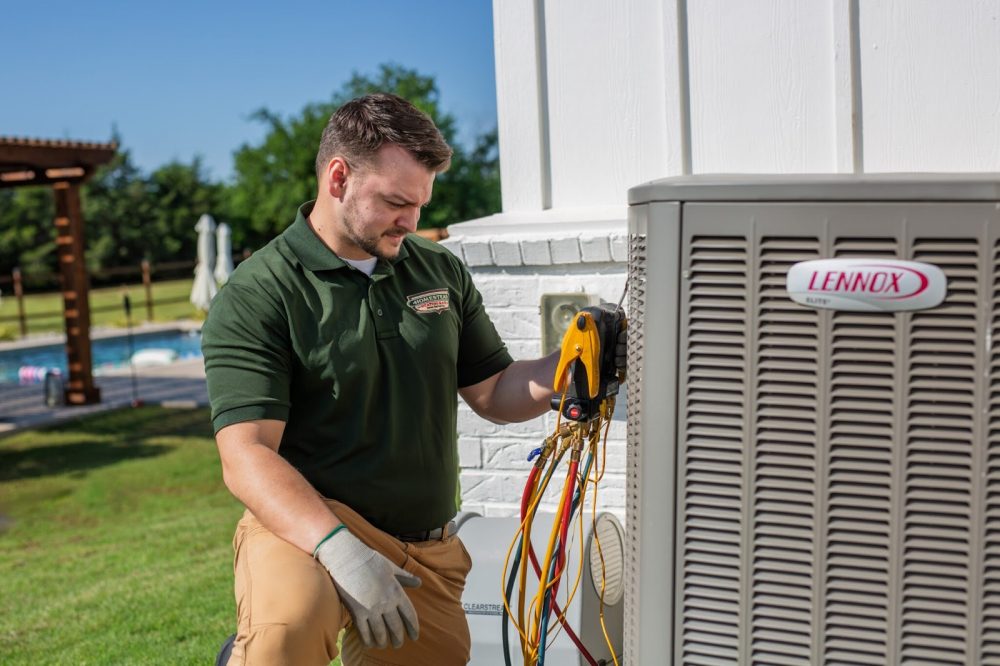
When you bring a professional in for a seasonal tune-up, you aren’t just paying for someone to swap out a filter. You are paying for a diagnostic eye. A good technician will look for the small stuff—a capacitor that is starting to bulge, a blower motor that is drawing too much power, or a coil that is caked in debris. These are the things that kill systems. By catching them early, you extend the life of your unit by years.
The Reality of Home Duct Cleaning
Duct cleaning is a service that gets a bad rap because there are too many companies out there who just want to show up with a shop vac, charge you a few hundred dollars, and leave. That is not how it should be done.
Think about what your ducts actually do. They are the circulatory system of your house. They pull air in, process it through the furnace, and push it back out into your bedrooms and living room. If those ducts are lined with years of pet hair, construction dust, and dead skin cells, that is what you are breathing.
If you have lived in your home for more than five years, or if you have pets or someone in the house with allergies, your ducts are likely holding onto a lot of stuff. A professional cleaning isn’t just about making the house feel cleaner; it is about taking the load off your blower motor. When your ducts are clear, the air moves easier. The fan doesn’t have to work as hard, which means less wear and tear on your system and a better flow of air in every room.
Why Your AC and Heating Units Need You
Spring and fall are the most critical times for your HVAC system. In the spring, you are prepping the AC for the intense heat of summer. In the fall, you are getting the furnace ready for the freeze.
During an AC tune-up, a technician should be cleaning the outdoor condenser coils, checking your refrigerant levels, and ensuring that the electrical contactors aren’t pitted. If those coils are dirty, your AC spends all day working but never actually cools the house down. You pay for the energy, but you don’t get the comfort.
For your heating, it is about safety and reliability. You want to make sure the heat exchanger is free of cracks and the igniter is firing correctly. A furnace that isn’t tuned up is inefficient, sure, but a furnace that isn’t inspected is a safety risk. You want to be confident that when the temperature drops, your house is going to stay warm without the system struggling to keep up.
Frequently Asked Questions
Do I really need to pay for a tune-up twice a year?
Look at it this way: would you rather pay a small fee to keep your system running, or pay for an emergency call on a Sunday night when it’s ten degrees outside? A tune-up is insurance. It keeps the system clean and catches the small parts that are about to break. It isn’t a scam; it is basic maintenance.
How do I know if my ducts actually need cleaning?
The easiest way is to take the cover off a vent and look inside with a flashlight. If you see thick layers of dust, or if you notice a lot of dust settling on your furniture shortly after cleaning, you are overdue. If you have had pets or smokers in the home, the ducts are definitely holding onto those particles.
Is it normal for my HVAC technician to suggest a new unit?
It depends on how old the unit is and what is broken. If they walk in and tell you the system is junk within ten minutes of arriving, that is a red flag. A good tech will show you exactly what is wrong, show you the failed part, and give you options to repair it. A new system is a last resort, not a first recommendation.
Can I do this maintenance myself?
You can and should change your air filters every 30 to 60 days. That is the single most important thing a homeowner can do. But for the internal coils, the gas pressure, the electrical components, and the deep ductwork, you need a professional. Trying to clean your own AC coils with a garden hose can actually bend the fins and ruin the airflow.
What should I look for in a service company?
Look for someone who listens to you. If you tell them, “It sounds like a rattling noise,” they should investigate that noise. They should be transparent about their pricing, they should arrive on time, and they should be willing to explain the “why” behind any repair they suggest. You want a partner who treats your home with respect, not just another customer on a list.
Taking Charge of Your Home
At the end of the day, your home is your sanctuary. It is where you go to shut out the world. You don’t need to be an HVAC engineer to make sure it stays comfortable. You just need to be proactive.
Don’t wait for the system to fail to start paying attention to it. Change your filters, keep your outdoor unit clear of leaves and debris, and build a relationship with a team that values your home as much as you do. When you stop treating your HVAC system as an afterthought, you stop worrying about it. And that is the peace of mind you are actually paying for.