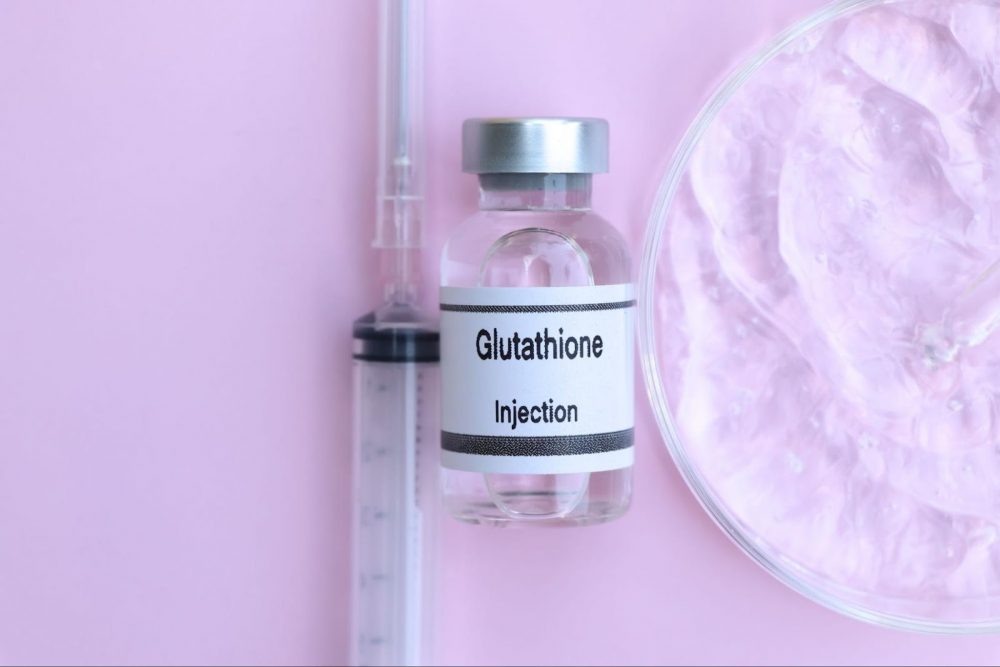
There are treatments people talk about loudly.
And then there are treatments people discover quietly, often after months of reading, asking, hesitating, and watching from the sidelines.
Glutathione IV belongs to the second category.
It’s rarely someone’s first step. More often, it appears after fatigue that won’t lift, skin that feels dull no matter what’s tried, or a sense that the body isn’t recovering the way it used to. People arrive curious, cautious, and usually full of questions.
This isn’t a promise-filled pitch or a rushed explanation.
It’s a grounded look at glutathione IV—what it is, how it works inside the body, why some people seek it out, and what deserves careful thought before making a decision.
Understanding Glutathione Before the IV
Glutathione is not a trend created in a lab.
It’s something the body already makes.
Often described as a “master antioxidant,” glutathione is present in nearly every cell. Its role is protective and practical. It helps neutralize harmful molecules, supports the liver’s detox processes, and plays a part in immune balance and cellular repair.
When levels are healthy, the body tends to cope better with stress—both internal and environmental. When levels drop, people may feel it in subtle ways: slower recovery, persistent tiredness, frequent illness, or changes in skin tone and texture.
The body produces glutathione naturally. But production can decrease due to:
- Chronic stress
- Poor sleep
- Environmental exposure
- Aging
- Certain medical conditions
- Long-term inflammation
This is where supplementation enters the conversation.
Why Some People Look Beyond Tablets and Powders
Oral supplements are often the first option people try. They’re familiar. They feel safe. They’re easy.
But glutathione is delicate. When taken orally, a significant portion can be broken down during digestion before it reaches the bloodstream. For some people, that’s enough. For others, it isn’t.
Glutathione IV bypasses the digestive system entirely. Delivered directly into the bloodstream, it allows higher availability in a shorter time.
That directness is the main reason people consider it. Not speed for the sake of speed—but efficiency when other approaches haven’t delivered noticeable results.
What Happens During a Glutathione IV Session
A typical session is calm and controlled. There’s no rush.
The infusion is administered slowly. Most people sit comfortably, often reading or scrolling quietly while the drip runs. The process itself usually takes less than an hour, depending on dosage and individual protocol.
Sensations vary. Some people feel nothing at all. Others notice a mild warmth, a slight metallic taste, or a brief sense of lightness. These sensations usually pass quickly.
What’s important is not the experience during the infusion—but what happens in the days that follow.
Why People Choose Glutathione IV
People don’t all come for the same reason. But patterns do appear.
1. Fatigue That Doesn’t Respond to Rest
This isn’t everyday tiredness. It’s the kind that lingers even after sleep, weekends off, and lifestyle adjustments.
Some individuals report feeling clearer, more alert, or more energetic after a series of infusions. Not jittery. Just… lighter.
2. Skin Clarity and Tone
This is perhaps the most talked-about reason, though often whispered rather than announced.
Glutathione plays a role in melanin regulation and oxidative balance. For some people, this translates into brighter-looking skin, more even tone, and a subtle glow that skincare alone hasn’t achieved.
It’s rarely dramatic overnight change. More often, it’s gradual and noticeable only when someone points it out.
3. Recovery and Wellness Support
Athletes, high-stress professionals, and people recovering from illness sometimes explore glutathione IV for recovery support. The logic is simple: better cellular protection can support faster bounce-back.
Again, not magic. But potentially helpful when used thoughtfully.
4. Environmental and Lifestyle Load
Pollution, alcohol, processed foods, long work hours—modern life places a constant load on detox pathways. Glutathione is central to how the liver manages this load.
Some people choose IV support during periods when they feel overwhelmed physically, not emotionally.
What Glutathione IV Is Not
This matters just as much as what it is.
It is not a replacement for sleep.
It is not a substitute for nutrition.
It is not a cure for chronic disease.
It is not guaranteed to work the same way for everyone.
People who expect instant transformation are often disappointed. Those who view it as part of a broader wellness approach tend to be more satisfied.
How the Body Responds Over Time
Some people notice changes after one session. Others need several before sensing anything different. Some don’t notice much at all.
This variation isn’t failure—it’s biology.
Factors that influence response include:
- Baseline glutathione levels
- Overall health
- Lifestyle habits
- Frequency of sessions
- Individual metabolism
The body doesn’t operate on uniform timelines. It adapts at its own pace.
Safety, Supervision, and Thoughtful Use
Glutathione IV should never be casual.
It requires proper medical oversight.
Before starting, a careful review of health history matters. Certain conditions and medications may influence whether IV administration is appropriate.
Monitoring during administration is standard. So is adjusting dosage based on response rather than assumption.
Responsible use prioritizes safety first, outcomes second.
The Psychological Side People Don’t Talk About
There’s something else at play, and it’s rarely mentioned.
Choosing a treatment like glutathione IV often reflects a mindset shift. People reach this point when they decide to stop pushing through discomfort and start paying attention to how their body feels.
That decision alone can change behavior—better hydration, improved sleep, more awareness. Sometimes, the infusion is only part of the improvement.
The body responds not just to substances, but to care.
Common Questions People Ask (Quietly)
Will it change how I feel immediately?
Sometimes. Sometimes not. Subtlety is common.
Is it only for appearance?
No. Many people pursue it for energy, recovery, or general wellness.
How often is it done?
This varies widely. Some do short series. Others space sessions weeks apart.
Does everyone respond the same way?
No. Expect variation.
Where Glutathione IV Fits in a Bigger Picture
The most realistic view places glutathione IV as a support tool—not a centerpiece.
It works best alongside:
- Balanced nutrition
- Consistent sleep
- Stress management
- Movement
- Medical guidance
When isolated from these, results tend to be limited.
When combined thoughtfully, people sometimes describe a sense of steadiness returning—a feeling that the body is no longer fighting uphill.
Final Thoughts
Glutathione IV isn’t about chasing perfection.
It’s about support.
For some, it becomes a helpful addition to a wellness plan. For others, it’s a brief experiment that offers insight, even if they don’t continue.
The value lies in informed choice, realistic expectations, and careful supervision.When those elements are present, glutathione IV stops being a buzzword and becomes what it was always meant to be: a tool—quiet, supportive, and used with intention.