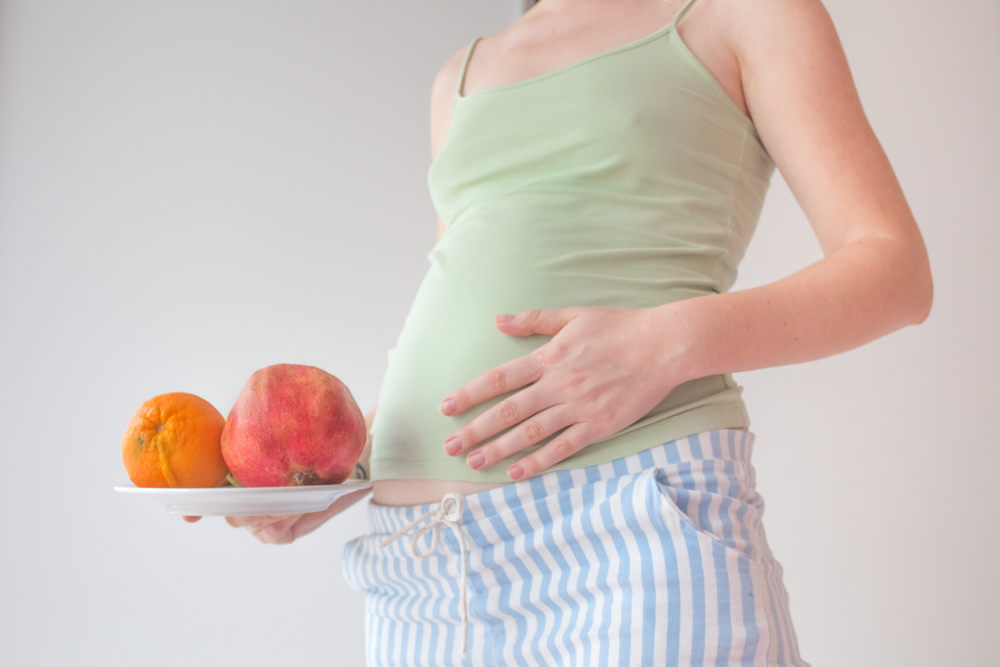
The early pregnancy period is an exhilarating as well as a very delicate time. The food that you eat in the first trimester contributes greatly to the development of your baby and maintains the healthy nature of your pregnancy. There are some foods which are extremely nutritious, and others which can lead to risks like infection, miscarriage, and development problems.
This is the period during which your body is going through very rapid changes in hormones, and the strength of your immunity is somewhat lowered, making you more vulnerable to food poisoning. Selecting the right foods during this period will help you combat symptoms of nausea and fatigue that come along with pregnancy, in addition to stimulating the development of the baby.
Below is a detailed guide on foods to avoid during early pregnancy, explained in a simple and trustworthy way to help you make safer food choices.
Why Diet Matters in Early Pregnancy
The first trimester is where your baby’s vital organs, including the brain, heart, spinal cord, and internal organs, develop. Even the slightest dietary error during this trimester can lead to major effects on your baby. The placenta is still immature at this time, and potential toxins from improper foods can more easily reach the baby.
Several women also misattribute pregnancy symptoms to late menses. For instance, if you suspect you are pregnant, you could look up the Signs of Period Coming Late which should assist you to distinguish between pregnancy and late menses.
A cleaned, balanced, and safe diet during early pregnancy can go a long way in ensuring a smooth pregnancy process.
Raw or Undercooked Meat, Fish, and Eggs
Raw or partially cooked animal foods are one of the biggest risks during early pregnancy because they can contain dangerous bacteria and parasites. These infections may cause food poisoning, dehydration, fever, or even miscarriage in severe cases.
Such foods like under-cooked chicken, rare mutton, and raw eggs are more dangerous during the first trimester of pregnancy because of low immunity levels. Even tasting raw batter or half-cooked eggs is a no-go zones.
Avoid:
- Raw or rare meat (undercooked chicken, mutton, beef)
- Sushi or sashimi
- Soft-boiled or raw eggs
- Foods containing raw eggs (homemade mayonnaise, raw batter)
Safer alternative:
Meat, fish, and eggs must always be cooked through to the point that there is not a pink color in them and the juices are clear. Well-cooked protein is important in muscle formation and development of fetal tissue.
Unpasteurized Milk and Dairy Products
Although unpasteurized dairy products may appear fresh and natural, they could be dangerous to take in during pregnancy. The products may contain Listeria, which could cross the placenta and result in serious infection in the baby.
Only soft cheeses and raw milk from local sources are to be consumed when they are explicitly labeled as pasteurized. Though pregnant women require more calcium, safety is equally important to nutrition.
Avoid:
- Unpasteurized milk
- Soft cheeses like brie, camembert, feta (unless pasteurized)
- Blue-veined cheeses
Safer alternative:
Choose pasteurized milk, yogurt, paneer, and hard cheeses.These are the sources of calcium, protein, and vitamin D required for the normal growth of bones and teeth in the mother and baby.
High-Mercury Fish and Seafood
Fish contains omega-3 fatty acids, but not all types of fish contain low amounts of mercury. Too much mercury in the body can damage the brain and nervous system of the unborn baby during pregnancy.
Eating the wrong kind of fish on a regular basis could cause delays in the development of the child; therefore, it is essential to be choosy in consuming fish instead of avoiding it altogether.
Avoid:
- Shark
- Swordfish
- King mackerel
- Tilefish
Safer alternative:
Low-mercury fish like salmon, sardines, rohu, and prawns can be had once or twice a week. These fishes help with the development of the baby’s eyes and brain.
Raw Sprouts and Unwashed Fruits & Vegetables
Raw sprouts appear nutritious, but they are grown in warmer and wetter conditions where bacteria can be abundantly replicated. It is even possible that even after proper washing, harmful bacteria present in raw sprouts are not completely eliminated.
In the same manner, unwashed fruits and veggies may harbor pesticides and bacteria which can provoke stomach infections.
Avoid:
- Raw alfalfa, mung bean, or chana sprouts
- Unwashed or street-cut fruits
Safer alternative:
Wash fruits and vegetables under running water and peel them when possible. Cook sprouts properly before consumption to make them safe and digestible during pregnancy.
Excess Caffeine and Sugary Beverages
Too much caffeine during pregnancy can lead to miscarriage, anxiety, insomnia, and low baby weight, while too much sugar can cause extreme increases in blood sugar levels and feelings of tiredness.
Many women mistakenly consume caffeine in tea, chocolate, and iced beverages, and hence moderation is crucial.
Limit or avoid:
- Strong coffee
- Energy drinks
- Excess tea
- Cola and sugary sodas
Recommended limit:
No more than 200 mg of caffeine per day.
Better choices:
Milk, buttermilk, coconut water, lemon water, and fresh fruit juices help maintain hydration without harming the baby.
Alcohol and Fermented Drinks
Even small quantities of alcohol are dangerous during pregnancy. The alcohol from the pregnancy can directly be transmitted to the child, and it can cause his/her everlasting learning difficulties and behavioral disorders.
In fact, avoiding alcohol becomes even more important in the case of certain testing, like the Double Marker Test in Pregnancy, which evaluates the risk for chromosomal abnormalities in early pregnancy.
Avoid completely:
- Alcohol
- Wine
- Beer
- Fermented homemade drinks
If you have been drinking alcohol before you realized you were pregnant, you should seek advice from your doctor.
Junk Food, Processed, and Packaged Items
Junk foods might be a remedy for the craving, but they contain no nutrients. Regular consumption of junk foods might cause conditions such as acidity, constipation, gaining too much weight, and feeling tired.
Oversimplified foods also have preservatives and high salt content, which can lead to water retention as well as blood pressure problems.
Limit:
- Chips, burgers, pizza
- Packaged snacks
- Instant noodles
- Sugary desserts
Healthier alternatives:
Opt for home-cooked meals, roasted snacks, fruits, nuts, whole grains, and freshly prepared foods to meet nutritional needs.
Herbal Supplements and Unknown Remedies
Not all natural products will be safe to use during pregnancy. Certain herbs might cause contractions in the uterus or affect hormones, particularly in the first trimester.
In some cases, the pain caused by a harmful remedy may be confused with False Labour Pain, resulting in unjustified panic.
Avoid without medical advice:
- Herbal teas
- Ayurvedic or home remedies
- Detox or weight-loss products
Always take supplements only if prescribed by a qualified healthcare professional.
Final Thoughts: Eat Safe, Not Scared
Early pregnancy doesn’t require a strict diet but demands informed and conscious eating. By eating clean and hygienically prepared food and staying away from banned food products, you can ensure healthy growth of the baby.
Listen to what your body is telling you, and follow proper food handling guidelines. Whenever you are unsure of what is going on, turn to your physician for guidance. Changes made at the dinner table can affect pregnancy significantly.