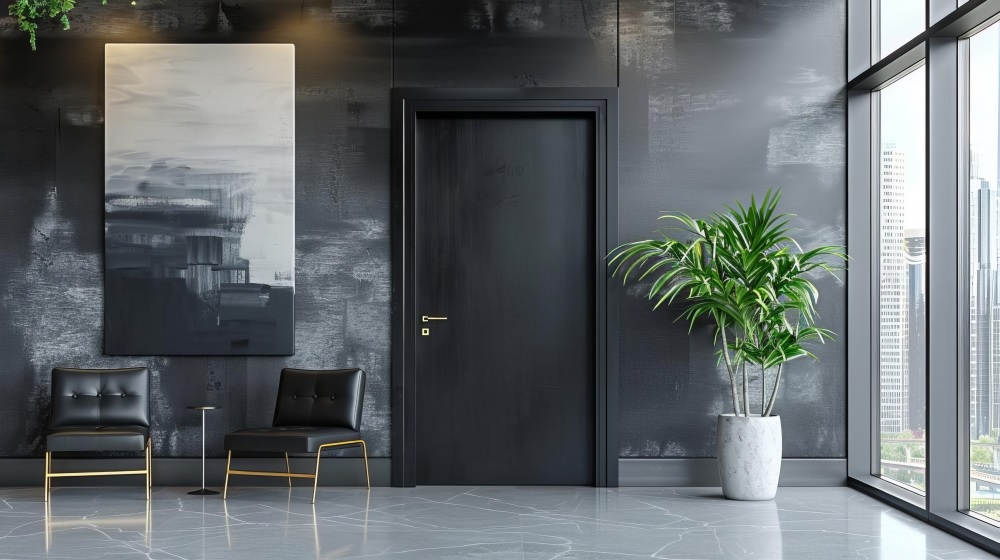
Building a home or upgrading a space involves more than layout and colour. The type of door you select sets the tone for the entire room. It is not just about opening and closing a space. It is about how that space feels every time you enter it. That is where door types like flush doors and decorative doors begin to matter.
Each door has a different job. Some are plain and practical. Some stand out and lift the space. Some add strength without drawing attention. Knowing the purpose behind each door type can help you choose what works best.
When you want function and nothing else
Flush doors are simple. They do not grab attention. They do not carry any patterns or heavy design work. They are flat on both sides and made using strong plywood or blockboard inside. That is why flush doors are often used in bedrooms, kitchens or offices. These doors are light. They open smoothly. They shut without sound. The look is clean, and the build is sturdy.
The biggest reason people choose flush doors is that they last. They do not crack or warp if made with quality material. They do not demand polish every year. They are easy to clean. These doors work best where privacy, along with simplicity, is the goal.
When you want to design with presence
Some rooms need something more. Not just a plain surface but something that reflects personal taste. That is where decorative doors become useful. These doors are designed with visual impact in mind. They may have grooves or mouldings. They may come with a laminated or veneered finish. The idea is to create beauty along with function.
Decorative doors are used at the main entrance or in drawing rooms. They also work well in pooja rooms or guest areas. These doors give weight to the room. They suggest care and thought. When made well, they do not just look good. They also protect better. Modern decorative doors are built to handle changes in weather and still hold their shape.
When you want something between plain and patterned
Panel doors are for those who want character without too much ornamentation. These doors are made by assembling vertical stiles and horizontal rails. The centre is filled with flat or raised panels. This gives depth to the door and breaks the flat look. Panel doors offer strength because of the way they are joined. These doors are common in homes that want a bit of style but not too much attention.
While not as simple as flush doors or as eye-catching as decorative doors, panel doors hold a middle ground. They are often used in dining rooms, studies and guest bedrooms.
Understand the material before making a choice.
Many people only see the surface of the door. They do not ask about what is inside. Flush doors that use low-grade core material do not last. They swell with moisture and fall out of shape. Decorative doors that only focus on pattern and forget stability also fade quickly. The trick is to check what lies beneath the outer layer.
Flush doors made with plywood or hardwood core offer better grip and hold. Decorative doors with termite-treated layers remain safe during seasonal changes. If the inside is strong, the door outside will serve you longer.
Match the door to the space you are designing.
Not every door needs decoration. And not every room deserves a plain door. A kitchen door works best when it is flat and easy to clean. A bedroom door should feel smooth and quiet. A living room door needs to feel warm. A main door should look grand but still remain strong. Decorative doors help here because they add weight along with pattern.
Flush doors work in high-usage areas. They open and close without trouble. They do not need frequent attention. Decorative doors bring beauty to places that guests see. They make first impressions stronger.
Remember, the surface plays a big role.
Some doors come unfinished. Others come pre-laminated or veneered. The finish must match the room it serves. Glossy doors reflect light well and add a modern touch. Matte finishes work well in calm spaces. Textured decorative doors offer grip and hide dust. Smooth flush doors stay neutral and support other design features in the room.
Choose what looks right and stays practical. A good finish should also be scratch-resistant and easy to clean.
Some common pointers to keep in mind while choosing doors
- Know the space and how much wear it will take.
- Choose between flat, panel or decorative based on mood and need.
- Check for termite resistance and water tolerance.
- Ask about the core material and surface strength.
- Match the finish with the rest of the room.
Conclusion:
The right door is not just a separator of two spaces. It offers comfort and meaning and isolation. Flush doors are silent workers. They are powerful, yet not in the limelight. Ornamental doors are not only appealing but also stylish and aesthetic. Each door has a job to do. The actual decision is to choose the correct one to that job. When such a decision is made in a wise manner, the room is complete. You may visit the whole CenturyPly to know the dependable flush doors and the well-designed decorative doors.