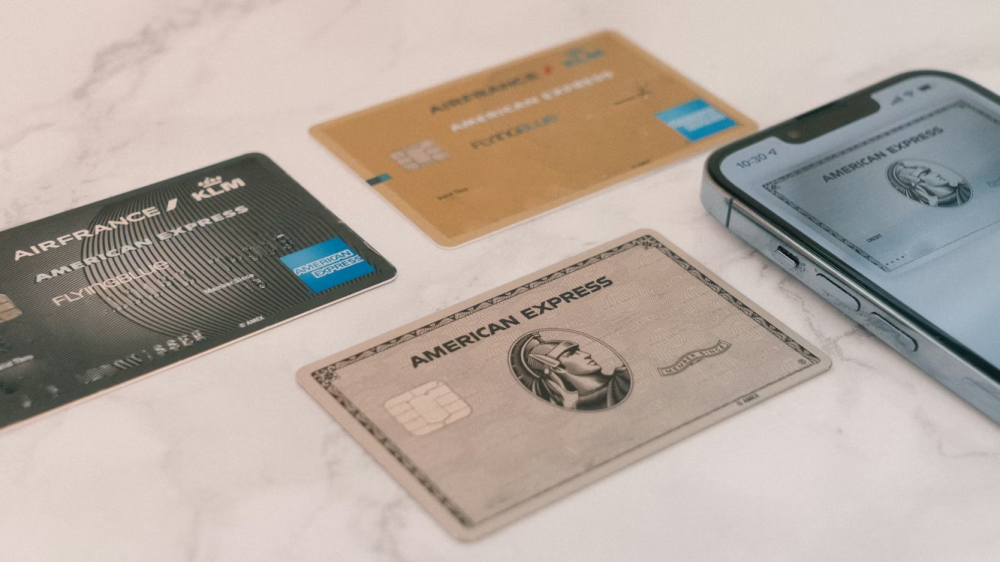
Fintech apps are reshaping how consumers interact with their money, especially when it comes to resolving billing errors and unauthorized charges. A modern credit repair software platform gives users the ability to submit, track, and resolve disputes without spending hours on hold or filling out paper forms. This shift toward automation is making financial protection more accessible for everyday cardholders while reducing the workload on banks and processors at the same time.
How Automated Dispute Workflows Work
Fintech apps begin the dispute process by allowing users to flag a suspicious or incorrect transaction inside their account dashboard. Instead of writing a long explanation, users simply choose a reason and submit supporting information if needed. The system then packages that data into a standardized dispute file that is ready for review.
Once submitted, the platform automatically routes the dispute to the correct issuing bank or card network. Behind the scenes, rules engines determine what evidence is required and which timelines apply. This removes human error and ensures every claim follows the same regulatory and operational standards.
Reducing Errors Through Smart Data Processing
Automated fintech systems rely on clean, structured transaction data to prevent mistakes during dispute handling. When a user opens a claim, the app pulls in merchant details, purchase amounts, and timestamps instantly. This allows the system to verify whether the charge matches the cardholder’s typical behavior or spending patterns.
By comparing real-time data with historical records, fintech apps can detect inconsistencies that would take a human much longer to notice. This leads to fewer false disputes and quicker decisions. It also improves trust between consumers, banks, and merchants.
Speeding Up Resolution Times
One of the biggest advantages of automation is the speed at which disputes can be processed. Traditional dispute handling often involves several departments and manual document reviews. Fintech platforms streamline these steps by connecting everything into a single digital workflow.
When information moves instantly between systems, decisions can be made faster. Many disputes that used to take weeks can now be resolved in days. For consumers, this means quicker refunds and less financial stress while waiting for an outcome.
Improving Transparency for Cardholders
Automated dispute platforms give users a clear view of where their claim stands at all times. Instead of calling a support line, cardholders can log in to their fintech app to see each stage of the review process. This visibility builds confidence and reduces frustration.
Notifications and updates are delivered in real time as the dispute moves forward. If more information is needed, the system prompts the user immediately. This ensures nothing is lost or delayed due to miscommunication.
Supporting Compliance and Regulations
Credit card disputes are governed by strict consumer protection laws. Fintech apps use automation to ensure every claim complies with the correct legal framework. Deadlines, documentation, and response requirements are built directly into the system.
By removing guesswork, fintech platforms protect both consumers and financial institutions from regulatory mistakes. This also lowers the risk of fines or legal issues. In a highly regulated environment, automation provides much-needed reliability.
How Automation Benefits Financial Institutions
Banks and card issuers benefit greatly from automated dispute handling. Instead of spending time sorting emails and scanning paperwork, their teams receive structured data that is easy to review. This allows them to focus on complex cases that truly need human judgment.
Automation also helps reduce fraud and abuse of the dispute system. With better data analysis, fintech apps can flag patterns that suggest misuse. This keeps the system fair and efficient for everyone involved.
The Role of AI in Dispute Decisions
Artificial intelligence is playing an increasingly important role in how fintech apps evaluate disputes. AI models can analyze thousands of past cases to predict the likely outcome of a new claim. This helps prioritize which disputes should be reviewed first and which can be resolved automatically.
Over time, these systems become more accurate as they learn from new data. This creates a smarter and more responsive dispute process. For consumers, it means fewer delays and more consistent decisions.
The Future of Automated Credit Protection
As fintech apps continue to evolve, dispute handling will become even more seamless. New integrations with merchants, payment networks, and identity systems will make it easier to verify transactions. This will further reduce errors and improve resolution times.
In the future, many disputes may be resolved almost instantly. Automation will handle routine claims while humans step in only when something unusual occurs. This balance will create a more secure and efficient financial ecosystem.
Conclusion
Fintech apps have transformed credit card dispute handling by replacing slow manual processes with fast, data-driven automation. From submission to resolution, every step is now guided by intelligent systems that improve accuracy, transparency, and compliance. As these platforms continue to mature, consumers will enjoy greater protection and peace of mind whenever something goes wrong with their card.