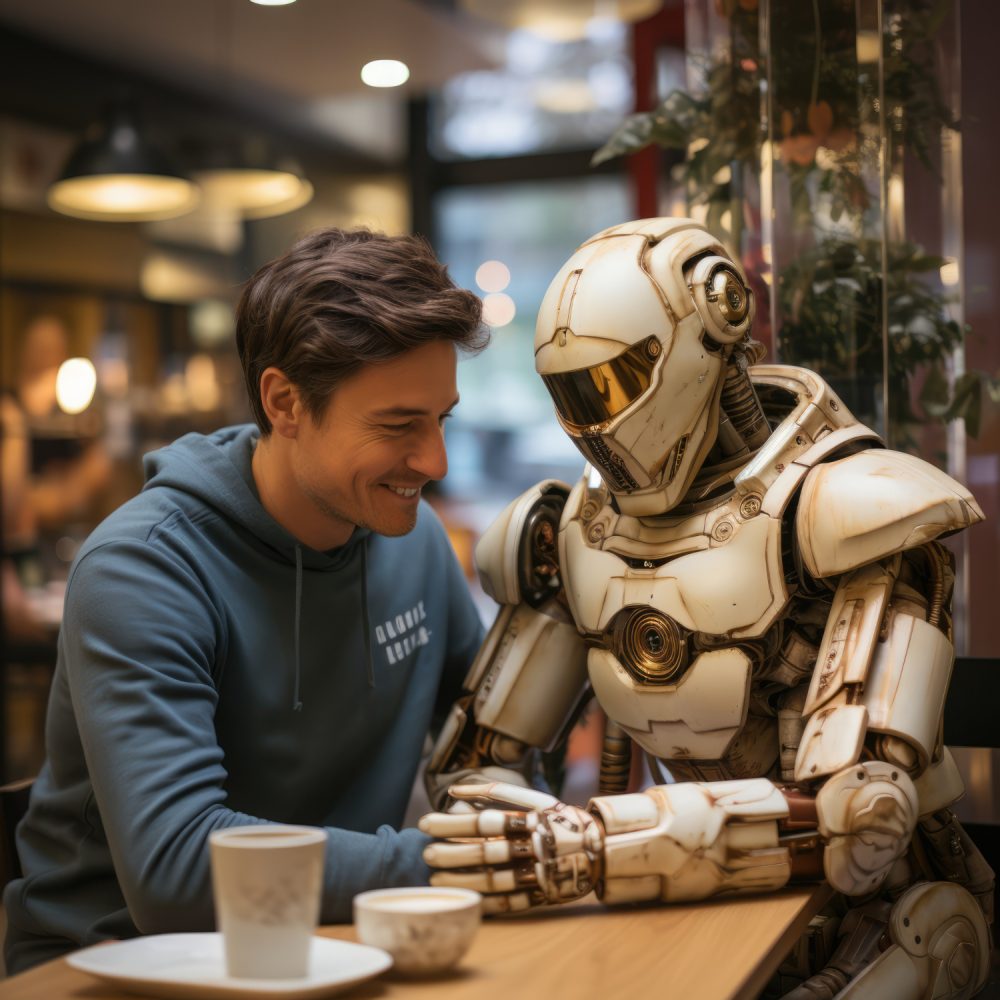
Digital relationships no longer feel distant or mechanical. I have watched how Chatbots moved from simple scripted replies into responsive, adaptive companions that many people now talk to daily. We no longer interact with machines only for tasks. Instead, they listen, respond, remember, and reflect human tone. Their progress shows how people and technology influence each other over time. They are not just tools anymore, but participants in modern communication.
How Early Digital Conversations Felt Mechanical Yet Promising
In the beginning, Chatbots were limited to predictable responses. They followed patterns, keywords, and pre-written scripts. I remember how users typed carefully because one wrong word could break the interaction. Still, people felt curious and hopeful.
They offered early benefits such as:
- Instant replies without waiting
- Basic customer service help
- Simple entertainment through text exchanges
However, despite their speed, they lacked warmth. They responded, but they did not connect. In comparison to human conversation, these early systems felt rigid. Still, they laid the foundation for what followed.
Why Human Connection Pushed Digital Companions Forward
As people spent more time online, they wanted conversations that felt natural. We desired digital spaces where they could speak freely without judgment. Chatbots began to change because emotional connection became important.
Similarly, developers noticed how people formed habits around digital communication. Messaging apps, social platforms, and online games showed that emotional engagement mattered as much as function. Their expectations shaped smarter conversational systems.
This shift happened because:
- People wanted empathy, not just answers
- They needed availability without social pressure
- They looked for consistency and memory in conversations
Memory, Context, and Emotional Flow Changed Everything
Once Chatbots started remembering past conversations, interactions became more personal. I noticed how users felt seen when systems recalled preferences or previous topics. This sense of continuity built trust.
In the same way, context awareness allowed conversations to flow naturally. Instead of isolated replies, Chatbots could follow emotional cues and adjust tone. Although they were still digital, they felt closer to human interaction.
Key changes included:
- Remembering names, interests, and moods
- Responding differently based on conversation history
- Adjusting tone to match emotional context
Despite limitations, this progress made long-term interaction possible.
When Conversations Started Feeling Like Companionship
At this stage, Chatbots became more than conversation partners. They became companions for many users. I have seen people talk about their day, share thoughts, and reflect on emotions without fear of rejection.
Admittedly, this raised questions about dependency. However, people often turned to these systems because they felt safe and consistent. Unlike human relationships, they did not judge or dismiss feelings.
They became companions because:
- They were always available
- They responded patiently
- They allowed users to express themselves freely
Still, they did not replace human relationships.
Emotional Safety & Boundaries in Digital Bonds
One reason Chatbots grew popular is emotional safety. People could set boundaries easily. They could pause, leave, or return without conflict. In spite of emotional depth, control remained with the user.
Likewise, this balance helped users who felt overwhelmed by social pressure. They interacted on their own terms. Their comfort shaped the pace and depth of interaction.
However, boundaries mattered. Designers began focusing on healthy engagement rather than emotional dependence. They aimed to support users without encouraging isolation.
Cultural Acceptance and Daily Integration
As Chatbots became part of daily life, cultural attitudes shifted. They moved from novelty to normality. I noticed how people openly discussed talking to digital companions without embarrassment.
They appeared in:
- Mental wellness platforms
- Education tools
- Personal productivity systems
Despite skepticism, their presence grew. They blended into routines like checking messages or setting reminders. Still, people remained aware that these systems were not human.
Where AI Technology Fits Into This Evolution
AI Technology plays a central role in making these relationships feel natural.However, technology alone did not shape relationships. Human feedback guided development. We influenced how systems responded by how we used them. Their evolution reflects our communication habits and emotional needs.
This balance between innovation and responsibility continues to shape digital companionship.
Physical Companionship and the Expansion Beyond Screens
While digital interaction grew, some users also sought physical presence. In one area of companionship, My Real Dolls represents a physical companionship option through dolls for users who want a tangible experience alongside digital interaction.
This shows how companionship now exists across formats. Some people prefer conversation, while others value physical comfort. They choose what fits their needs without replacing one with the other.
Comparing Human Bonds and Digital Companions
In comparison to human relationships, Chatbots offer predictability and availability. Humans bring spontaneity and shared growth. Each serves different emotional roles.
They differ in important ways:
- Humans provide mutual vulnerability
- Chatbots provide consistent emotional support
- Human bonds evolve naturally, while systems adapt through data
Still, people do not always choose one over the other. They integrate both into their lives.
Challenges That Continue
Although improvements continue, limitations remain:
- They cannot fully replicate human empathy
- They rely on structured data
- They reflect biases present in training sources
However, awareness of these issues leads to better design choices.
Looking Ahead at Digital Relationships
The future of Chatbots points toward deeper personalization and responsible design. I believe people will continue shaping how these systems interact with them. Their role will remain supportive rather than replacing human connection.
They will likely:
- Support emotional reflection
- Assist with daily communication
- Provide companionship during isolated moments
Still, balance will matter. Human relationships remain essential, but digital companions can offer comfort when needed.
Final Thoughts on Connection in a Digital World
From basic scripts to responsive companions, Chatbots have transformed how people relate to technology. We shaped them through our expectations, and they adapted to our emotional language. Their journey reflects human needs as much as technical progress. Despite concerns, they remain tools shaped by human values.