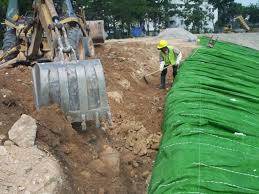
I’ve been in construction long enough to remember when erosion control meant throwing down some straw bales and hoping for the best. Those days are gone, thankfully. Today’s erosion and sediment control plan requirements might seem like paperwork headaches, but I’ve learned they’re actually roadmaps that save us from expensive mistakes.
Understanding Why Your Erosion and Sediment Control Plan Matters
Last year, I watched a contractor friend face a stop-work order three weeks into a commercial development. Heavy rains had washed sediment into a nearby creek, and inspectors shut everything down. The delay cost him nearly not counting the fines. His crew sat idle while he scrambled to fix problems that proper planning would have prevented.
That experience reinforced something I tell every new site manager: an erosion and sediment control plan isn’t bureaucratic red tape. It’s practical protection for your project, your budget, and the surrounding environment. When you approach it that way, the whole process makes more sense.
Initial Site Assessment for Erosion and Sediment Control Planning
Creating an effective plan begins with really knowing your property. I’m talking about more than reviewing survey documents in an air-conditioned office. You need boots-on-the-ground assessment.Walk your site during different weather conditions if possible. Morning dew shows you where water collects overnight. Light rain reveals natural drainage patterns you might miss on sunny days. Bring a notebook and camera you’ll reference these observations constantly during planning.Look for obvious trouble spots: steep slopes that will erode quickly, areas where runoff concentrates, existing erosion gullies that show historical water movement. Note mature trees and vegetation that currently stabilize soil. You might need to work around these natural allies rather than removing them.Soil composition matters more than most people realize. Clay-heavy soils behave completely differently than sandy loam when saturated. If your site has varying soil types across different areas, your control measures need to account for these differences. Sometimes bringing in a soil scientist for a few hours provides insights that save thousands later.
Developing Effective Sediment Control Strategies
Now we get to the actual plan development. I organize this into three phases: what happens before construction, during active work, and for long-term stabilization.
Pre-construction controls go in first, always. Perimeter silt fencing, inlet protection for existing storm drains, and sediment traps get installed before the first excavator arrives. This isn’t negotiable I’ve seen too many projects start backward and regret it.
For active construction phases, think about how earth-moving will progress across your site. You’re trying to minimize exposed soil area at any given time. If you’re clearing five acres but only actively grading two, consider phased clearing. Leave vegetation on areas you won’t touch for several weeks. Living plants prevent erosion better than any manufactured product.
Key Components of an Erosion and Sediment Control Plan
The erosion control industry offers dozens of products, and honestly, most of them work when used correctly. The trick is matching controls to your specific conditions.Silt fencing works great along gentle slopes with sheet flow. It fails spectacularly in concentrated flow areas where water velocity is high. For those spots, you need rock check dams or sediment traps that handle energy differently.
Sediment basins are non-negotiable for larger sites, but sizing them properly separates amateurs from professionals. You need capacity for the water volume your site generates, plus settlement time for particles to drop out. Undersized basins overflow during storms, sending sediment downstream anyway. I typically design 10-20% larger than minimum calculations suggest, because nature doesn’t respect minimum standards.Inlet protection around storm drains deserves special attention. Those basic gravel rings you see everywhere? They’re better than nothing, but barely. For sites with significant runoff, invest in manufactured inlet filters that actually catch fine particles. Replace them when clogged and they will clog.
Implementing Erosion Control Measures on Your Site
Temporary stabilization becomes your daily habit. Finished grading a slope on Tuesday? Get erosion blankets or hydroseed down by Thursday if weather allows. Every day soil sits bare increases your risk. I keep quick-deploy materials staged on-site specifically for this purpose.
Construction entrances require special consideration in your erosion and sediment control plan. These rock-stabilized exit points prevent vehicles from tracking mud onto public roads. I’ve learned the hard way that skimping on entrance rock depth leads to weekly replenishment needs. Go heavy initially at least 12 inches of large aggregate—and you’ll thank yourself later.Slope protection techniques vary based on gradient and length. Gentle slopes under 3:1 might only need hydromulch and quick-growing grass. Steeper terrain demands erosion control blankets or even harder solutions like turf reinforcement mats. Don’t guess on slope protection—it’s where most erosion problems originate.
Maintaining Your Sediment Control Systems
Here’s where theory meets reality. Your erosion and sediment control plan only works if someone maintains the controls religiously.I schedule formal inspections every Monday morning and after every rain event exceeding half an inch. Yes, every single one. My site supervisors carry inspection checklists that cover every control measure location. We photograph conditions and document any issues.
Common maintenance needs include re-trenching silt fence that’s pulled loose, removing sediment buildup from traps and basins, replacing torn erosion blankets, and refreshing rock at construction entrances. These aren’t major repairs usually, but delaying them turns minor issues into major failures.Budget for maintenance from the start. I allocate roughly 15% of my initial erosion control installation costs for ongoing maintenance throughout the project. Some projects need less, others more, but that number keeps me honest during bidding.
Documentation Requirements for Erosion and Sediment Control Plans
I maintain a dedicated erosion control binder for every project. Inside goes the approved plan, inspection logs, photos, maintenance records, and any correspondence with regulatory agencies.
This documentation has saved me during inspections multiple times. When regulators visit, I hand them the binder while walking the site. Seeing organized records immediately establishes credibility. They know you’re taking this seriously.Photos prove particularly valuable. I photograph every control measure immediately after installation, then regularly throughout the project. If something fails despite proper installation and maintenance, those photos demonstrate due diligence.
Regulatory Compliance for Your Erosion and Sediment Control Plan
Environmental inspectors aren’t adversaries they’re people doing difficult jobs, often understaffed and overworked. I’ve found that respectful, proactive communication prevents most conflicts.When inspectors visit my sites, I’ve already walked the property that morning and know exactly what they’ll see. If there’s a problem, I acknowledge it immediately and explain my correction plan. This approach builds trust that pays dividends if serious issues arise.
Most sites disturbing over one acre require NPDES permits under the Clean Water Act. Your erosion and sediment control plan forms the backbone of permit compliance. State and local requirements often add additional layers, so research regulations thoroughly before breaking ground.
Seasonal Considerations in Erosion and Sediment Control Planning
Weather patterns dramatically impact your control strategy effectiveness. Starting major earthwork right before rainy season forces you to fight uphill battles with saturated soils and high-velocity runoff.
I’ve learned to schedule intensive grading during historically dry periods whenever possible. If winter work is unavoidable, your erosion and sediment control plan needs beefed-up measures: thicker mulch layers, additional sediment traps, more frequent inspections.Frozen ground presents unique challenges. Erosion controls don’t install properly in frozen soil, and spring thaw creates massive runoff events. Plan accordingly with temporary measures that can be upgraded when conditions improve.
Long-Term Success with Erosion and Sediment Control
After project completion, I spend an hour reviewing what worked and what didn’t with my erosion control approach. Which measures performed exactly as planned? Which ones needed frequent repair? What would I do differently next time These lessons learned sessions make subsequent projects progressively easier. You develop instincts for reading sites and selecting controls. You anticipate problems before they develop. This experience compounds into genuine expertise that no textbook teaches.
Final Thoughts on Professional Erosion and Sediment Control Planning
An erosion and sediment control plan represents your commitment to responsible construction. Done properly, it protects water resources, maintains community relationships, keeps projects on schedule, and demonstrates professional competence. Approach it as essential project infrastructure, fund it adequately, maintain it diligently, and document everything. Your future self will thank you when projects run smoothly instead of fighting preventable environmental emergencies. The investment in proper planning always pays returns through avoided delays, reduced fines, and professional reputation building that leads to future opportunities.