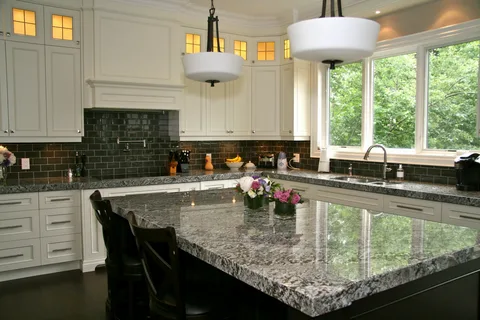
When designing a kitchen or bathroom, choosing the right countertop material is crucial to both aesthetics and functionality. The countertop is often one of the most prominent features of the room, and its material can greatly influence the overall look and usability of the space. In this article, we will explore some of the most popular materials used for countertops, their benefits, and where they work best.
Types of Countertop Materials
There are several materials commonly used for countertops. Each material has its unique characteristics, advantages, and potential drawbacks.
Granite Countertops
Granite has long been a top choice for homeowners due to its natural beauty and durability. It is made from solid stone, making it highly resistant to scratches and heat.
Advantages of Granite
- Durability: Granite is a hard, dense material that can withstand heavy use.
- Heat Resistance: Granite can handle high temperatures, which makes it ideal for kitchens.
- Unique Patterns: Since granite is a natural stone, no two slabs are the same, ensuring your countertop is one of a kind.
Disadvantages of Granite
- Sealing Required: Granite countertops often need to be sealed regularly to prevent stains and bacteria buildup.
- Heavy Material: The weight of granite can make installation difficult and may require additional support.
Quartz Countertops
Quartz countertops are engineered surfaces made from a combination of natural quartz stone and resins. These countertops are non-porous, making them easy to clean and maintain.
Advantages of Quartz
- Low Maintenance: Unlike granite, quartz doesn’t need sealing, as it is non-porous.
- Consistency in Appearance: Quartz countertops have a more uniform appearance compared to natural stones like granite or marble.
- Variety of Colors: Quartz comes in a wide range of colors and patterns, providing more options for homeowners.
Disadvantages of Quartz
- Not as Heat-Resistant: Quartz can be damaged by excessive heat, so it’s important to use trivets or hot pads.
- Can Be Prone to Scratching: Although durable, quartz countertops can scratch if subjected to heavy use without proper care.
Marble Countertops
Marble is a luxurious, natural stone that has been used in kitchens for centuries. Its classic appearance makes it a popular choice for those seeking elegance in their kitchen or bathroom.
Advantages of Marble
- Timeless Beauty: The veining and color variations in marble make it a stunning choice for upscale kitchens.
- Cool Surface: Marble stays cool to the touch, which makes it ideal for pastry chefs or those who bake frequently.
Disadvantages of Marble
- Porous Nature: Marble can absorb liquids, which may lead to staining if not sealed properly.
- Scratching and Etching: Marble is softer than granite, meaning it is more prone to scratching and etching from acidic substances like lemon juice.
Other Materials
In addition to granite, quartz, and marble, there are other materials used for countertops, including:
- Wood: Provides a warm, natural look but requires maintenance to prevent damage.
- Concrete: Offers a modern, industrial aesthetic but can be prone to cracking over time.
- Laminate: A budget-friendly option that is available in a wide variety of colors and patterns but may not be as durable as stone alternatives.
Choosing the Right Material for Your Needs
When selecting the perfect countertop material, it’s important to consider your needs, lifestyle, and aesthetic preferences. Here are some factors to help guide your decision:
Budget Considerations
Different materials come with varying price points. Granite and marble are typically more expensive due to their natural origins and labor-intensive installation processes, whereas materials like laminate and wood may be more affordable.
Durability and Maintenance
If you are looking for something low-maintenance and highly durable, quartz countertops are an excellent choice. If you prefer natural beauty and don’t mind putting in the effort to maintain your countertops, granite or marble might be a better fit.
Aesthetic Preferences
The look of your countertop should complement the rest of your kitchen or bathroom. Marble offers a classic and elegant look, while quartz offers a more contemporary, uniform appearance. Wood adds warmth and natural texture, while concrete can lend a modern edge.
Conclusion
Selecting the right countertop material is a decision that should be based on both your aesthetic preferences and practical needs. Whether you choose the timeless elegance of marble, the durability of granite, or the low-maintenance convenience of quartz, there is a material that will fit your lifestyle and design vision. By understanding the benefits and potential drawbacks of each material, you can make an informed decision that will enhance the beauty and functionality of your kitchen or bathroom for years to come.