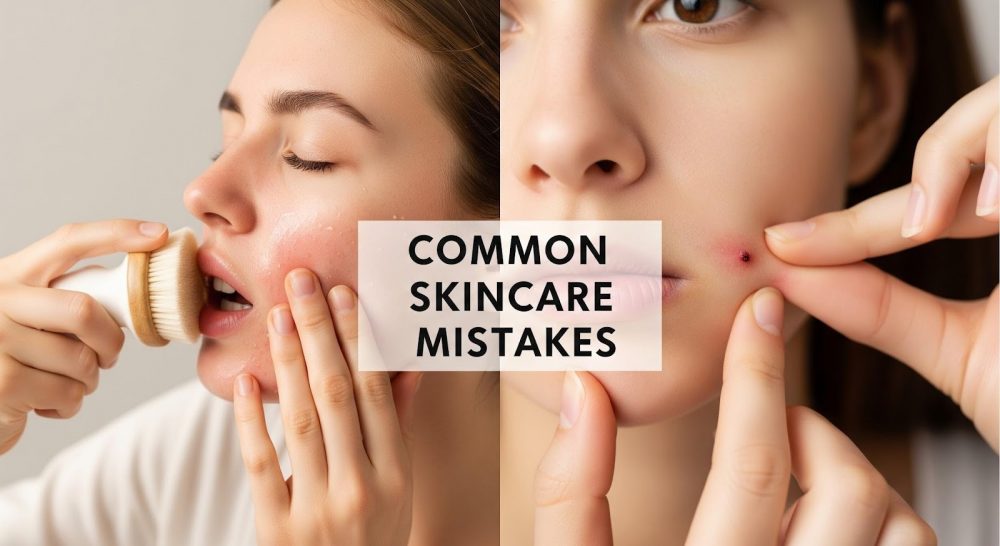
Skincare in the Middle East presents its own set of difficulties because of its weather conditions. The combination of extreme heat, high ultraviolet radiation, humidity, dust, and continuous air conditioning creates unique skin challenges that other climates do not face. Many people in this region establish their skincare habits by imitating practices from colder areas and following international beauty trends that do not match the local environmental conditions. The skincare errors people make today result in multiple skin problems which include acne, pigmentation, sensitivity, and permanent skin damage.
The following section describes the typical skincare errors which residents of the Middle East make together with their corresponding prevention methods.
1. Skipping Moisturizer Because of Oily Skin
This is one of the most widespread mistakes.
People who experience oily skin during hot weather choose to stop using moisturizers according to their beliefs. Most people believe air conditioning systems prevent skin moisture loss, but in fact they cause skin dehydration which results in increased oil production as the body tries to restore moisture balance.
What happens:
- Increased oil production
- Dehydrated but shiny skin
- More breakouts
People need to hydrate their skin because all skin types require hydration.
2. Using Rich Creams Made for Cold Climates
Our skincare aesthetic takes inspiration from European or Korean winter skincare, but rich creams aren’t the best for the Middle East.
What usually goes wrong:
- Clogged pores
- Acne
- Congested skin
These rich creams hold sweat and sebum in the hot, humid Middle Eastern environment.
3. Common Sunscreen Mistakes
Even with high sun exposure, sunscreen practices in the Middle East aren’t always spot on.
Common errors:
- Applying sunscreen only at the beach
- Forgetting to reapply sunscreen throughout the day
- Using the wrong amount of sunscreen
In this part of the world, the sun’s UV rays cause rapid pigmentation and accelerated aging.
4. Over-Exfoliating to Reduce Oil and Acne
Many people turn to extreme exfoliation to instantly reduce oil and acne.
Why this fails:
- It damages the skin barrier
- It increases sensitivity
- It can trigger oil production
In the hot Middle Eastern environment, the skin needs protection, not constant exfoliation.
5. Overlooking Dehydration from Air Conditioning
Air conditioning is almost a necessity in this part of the world, but it secretly damages the skin barrier.
Effects on the skin barrier:
- The skin feels dry and oily
- Flaky skin develops
- Sensitivity increases
Dehydration is commonly confused with oiliness.
6. Using Too Many Active Ingredients at Once
People tend to use multiple strong products simultaneously because social media shows them this practice.
Problems this causes:
- Irritation
- Breakouts
- Uneven skin texture
Heat and sun already stress the skin. Overloading it makes recovery harder.
7. Not Adjusting Skincare Between Seasons
The Middle East experiences extreme weather differences from its summer months to its winter months yet people maintain their same skincare routine throughout the entire year.
Result:
- Summer breakouts
- Winter dryness
- Reduced effectiveness of products
Extreme climates require people to make seasonal adjustments to their daily routines.
8. Too Much Face Touching in Dusty Environments
Dust and pollution are part of living in this environment.
Why this matters:
- It can spread bacteria to the skin
- It can clog pores
- It can worsen acne
So, touching your face too much, especially where the dust settles, isn’t great for your skin.
9. The Quest for Instant Gratification
Our skin needs time to adapt, especially in harsh environments.
The quest for instant gratification leads to:
- Constantly trying new products
- Overusing products
- Irritation
The slow and steady approach to progress.
FAQs
1. Is oily skin normal in Middle Eastern climates?
Yes. Heat and humidity cause the body to produce more oil throughout the entire day.
2. Can dehydrated skin appear oily?
Yes. Dehydration can cause the skin to overproduce oil.
3. Is sunscreen necessary if I stay indoors most of the day?
Yes. UV radiation enters through windows and short outdoor exposure, which results in skin damage.
4. How often should skincare routines be changed?
You should make seasonal changes to your skincare routine instead of changing it every week.
5. Do I need to use harsher products in the heat?
No. Gentle, consistent care is best in hot weather.
Conclusion
Skincare in this region is all about climate education and ignoring every trend. The worst mistake is overdoing, over-exfoliating, and using products that are inappropriate for hot, air-conditioned environments. A well-rounded skincare routine that focuses on protection, consistency, and the use of a toner for face will help skin flourish even in the most extreme heat. Sometimes it’s better to avoid the pitfalls than to follow the trends.