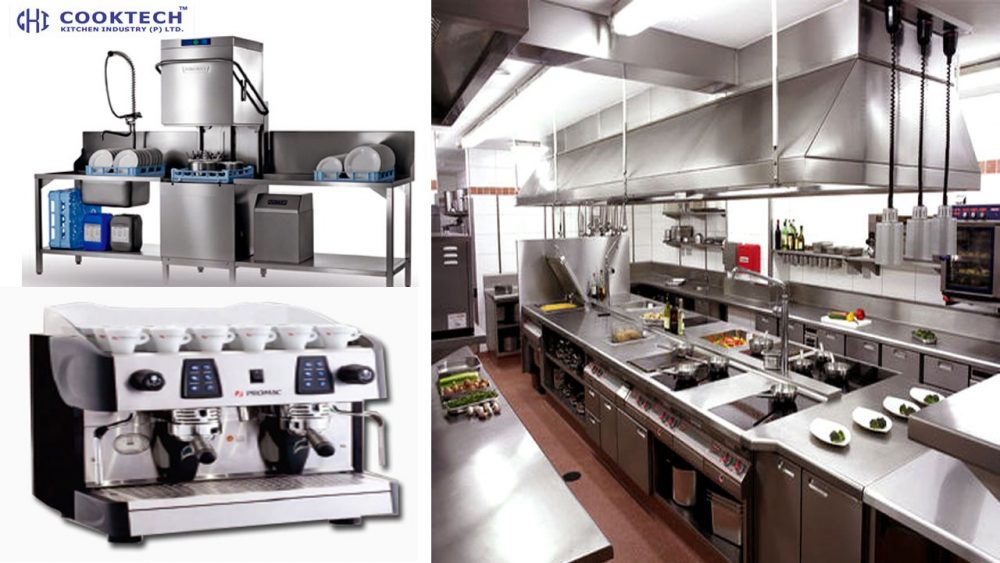
Setting up a commercial kitchen is one of the most important steps for any food business. Whether you are opening a restaurant, hotel, café, cloud kitchen, or catering unit, choosing the right commercial kitchen equipment plays a key role in daily operations. Proper guidelines help business owners invest wisely, maintain hygiene, and ensure smooth workflow.
A well-planned kitchen not only improves food quality but also saves time, energy, and long-term costs. Below are essential guidelines to follow when selecting and managing commercial kitchen equipment.
1. Understand Your Kitchen Requirements
Before purchasing any equipment, it is important to understand the type of food business you are running. A bakery will require ovens and mixers, while a restaurant may need gas ranges, fryers, grills, and refrigeration units. Menu planning should guide your equipment selection.
Avoid buying unnecessary machines that will not be used daily. Focus on tools that support your menu and cooking style.
2. Plan the Kitchen Layout Properly
Kitchen layout planning is a critical guideline that should never be ignored. Equipment must be placed in a way that allows smooth movement of staff and proper workflow. Cooking, preparation, storage, washing, and serving areas should be clearly defined.
A good layout reduces confusion, improves speed, and ensures safety in a busy kitchen environment.
3. Choose Quality and Durable Materials
Commercial kitchen equipment must handle heavy usage throughout the day. Stainless steel is the most preferred material because it is strong, rust-resistant, easy to clean, and hygienic. Equipment made from low-quality materials may save money initially but often leads to frequent repairs and replacements.
Durable equipment ensures long life and consistent performance.
4. Focus on Hygiene and Safety Standards
Hygiene is non-negotiable in a commercial kitchen. Equipment should be easy to clean and maintain. Sharp edges, loose fittings, and poorly designed surfaces can cause accidents or food contamination.
Always choose equipment that meets food safety guidelines and local health regulations. Proper ventilation systems and exhaust hoods are also important to maintain air quality and reduce heat.
5. Select Energy-Efficient Equipment
Energy costs are a major expense in commercial kitchens. Modern kitchen equipment is designed to use less gas or electricity while delivering better output. Choosing energy-efficient appliances helps reduce monthly utility bills and supports sustainable operations.
Energy-efficient equipment is not only cost-effective but also environmentally responsible.
6. Consider Space and Size Carefully
Commercial kitchens often operate in limited spaces. Equipment should fit comfortably without overcrowding the kitchen. Oversized machines can block movement, while very small units may not handle high demand.
Measure your kitchen area properly before purchasing any equipment. Compact and modular designs are ideal for small and medium kitchens.
7. Ensure Proper Storage Solutions
Storage equipment is just as important as cooking equipment. Shelving units, racks, cold storage, and freezers should be selected based on kitchen needs. Proper storage helps maintain ingredient freshness and avoids cross-contamination.
Organized storage improves efficiency and saves time during busy hours.
8. Look for Reliable After-Sales Support
Commercial kitchen equipment requires regular maintenance. Always buy from suppliers who offer installation, warranty, and service support. Quick repair services help avoid downtime and business loss.
Reliable after-sales support ensures peace of mind and long-term equipment performance.
9. Train Staff to Use Equipment Correctly
Even the best equipment can fail if not used properly. Staff should be trained to operate machines safely and efficiently. Proper usage increases equipment life and reduces accidents.
Regular cleaning and routine checks should be part of daily kitchen operations.
10. Balance Budget with Long-Term Value
While budget matters, choosing the cheapest equipment is not always the best decision. Focus on long-term value rather than short-term savings. Quality equipment reduces maintenance costs and performs better under pressure.
Investing wisely at the start helps avoid unnecessary expenses in the future.
Final Thoughts
Following proper guidelines for commercial kitchen equipment helps build a strong foundation for any food business. From planning and layout to quality, safety, and maintenance, every step matters. A well-equipped kitchen improves efficiency, supports hygiene, and delivers consistent food quality.