Ever ordered something that needed to stay cold… and it arrived warm? Not a great feeling. Especially if it’s medicine or food.
Cold chain logistics has zero room for mistakes. One small delay. One temperature slip. The product is done.
That’s why choosing the right company for cold chain transportation matters so much. Not just for businesses. For safety, quality, and trust.
But here’s the tricky part. Everyone claims they’re “reliable.” So how do you actually tell?
Let’s break it down like real people.
What Makes Cold Chain So Sensitive?
Normal delivery has some flexibility. Cold chain does not.
Products must stay within a strict temperature range. From pickup to delivery. No shortcuts.
Think about vaccines. Or fresh seafood. Or dairy products. If the temperature shifts even slightly, quality drops fast.
That’s why cold chain transportation needs precision. Not just trucks. Not just storage. Full control from start to finish.
Who Is the “Best” Company?
Here’s the honest answer. There is no single “best” for everyone.
Different businesses need different things.
A pharmaceutical company needs strict compliance. A food supplier needs speed and freshness. A global exporter needs scale.
So instead of asking, “Who is the best?” ask this instead:
Who is best for your needs? That question gives better answers.
What Actually Makes a Company Reliable?
Let’s skip the marketing claims.
Reliable companies show it in how they operate.
They don’t just move products. They protect them.
Here’s what to look for:
- consistent temperature control across all stages
- real-time tracking during transport
- strong backup systems for delays
- trained staff handling sensitive goods
- clear communication during transit
A good cold chain transportation provider handles problems before you even notice them.
Temperature Control Is Everything
This sounds obvious. Yet many companies still struggle here.
Maintaining the right temperature is not just about refrigeration. It’s about monitoring constantly.
Good providers use sensors that track conditions in real time. Not after delivery. During the journey.
Ever had a delivery arrive late with no explanation? That doesn’t work here.
In cold chain transportation, visibility matters.
You should know where your shipment is. And what condition it’s in.
Speed vs Stability — What Matters More?
Fast delivery sounds great. But speed alone is not enough.
Would you prefer a fast delivery that arrives spoiled? Or a slightly slower one that arrives perfect?
Exactly.
Reliable companies balance speed and stability carefully.
They plan routes. They monitor conditions. They avoid unnecessary risks.
Good cold chain transportation is not rushed. It is controlled.
Technology Makes a Huge Difference
Modern logistics relies heavily on technology.
Smart tracking systems now monitor temperature, location, and timing together.
Some companies even alert you before a problem happens.
That level of control changes everything.
You are no longer guessing. You are informed.
This is where strong providers stand out in cold chain transportation.
Global Reach vs Local Expertise
Some companies operate worldwide. Others specialise in specific regions.
Both can work well.
Global providers offer scale and network strength.
Local providers understand routes, weather, and regulations better.
So again, ask yourself:
Do you need reach? Or do you need precision in one region?
The answer helps you choose better.
A Name That Often Comes Up:
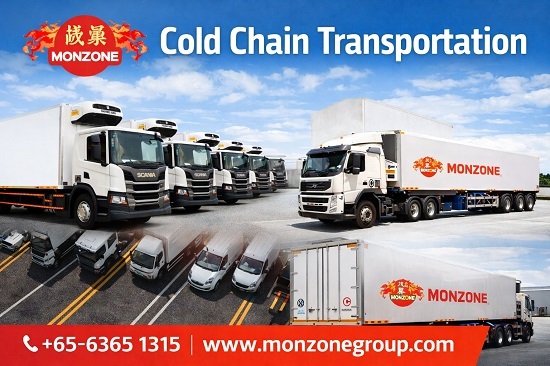
When people discuss reliable cold chain transportation, one name that often appears is Monzone Group.
Why? Because businesses mention consistency and controlled handling.
Not just delivery. Proper handling.
And honestly, that matters more than flashy claims.
Common Mistakes Businesses Make
Let’s be honest. Many businesses choose based on cost. Cheaper sounds good at first. Then a shipment arrives damaged. Suddenly, that “saving” feels expensive.
Other common mistakes include:
- ignoring temperature tracking capabilities
- choosing speed over stability
- not checking backup systems
- assuming all providers operate the same
These mistakes happen often. And they are avoidable.
Small Details That Matter More
Cold chain success depends on small details.
Things like:
- how quickly goods move into cold storage
- how often temperature gets checked
- how staff handle loading and unloading
- how delays get managed
These details don’t show in brochures. But they show in results. Good cold chain transportation companies focus on these quietly.
Here’s something interesting.
Even the best system fails with poor handling. Sounds obvious, right? Yet it happens often.
Drivers, warehouse staff, and handlers play a huge role. One wrong move during loading can break the cold chain.
So always check this.
- Are staff trained properly?
- Do they follow strict handling steps?
- Do they respond quickly during issues?
Good cold chain transportation is not just technology. It’s people doing things right, every single time.
Key Points
- Cold chain needs strict temperature control
- Reliability matters more than speed
- Technology improves shipment visibility
- Small details affect product quality
- Choose based on your specific needs
Conclusion
Cold chain logistics leaves no room for error. One small mistake can affect product quality completely. That’s why choosing the right cold chain transportation provider matters more than most businesses realise.
Instead of chasing the “best” company, focus on the right fit. Look for strong temperature control, clear tracking, and reliable handling processes. These factors matter more than marketing claims.
Companies like Monzone Group often come up because of consistent performance, not promises.
Take your time before choosing. Because in cold chain logistics, mistakes are not small. They are expensive, and sometimes irreversible.
FAQs
What is cold chain transportation?
It transports temperature-sensitive goods under controlled conditions.
Why is temperature control important?
It protects product quality and safety during transit.
How do I choose a reliable provider?
Look for tracking, control systems, and experience.