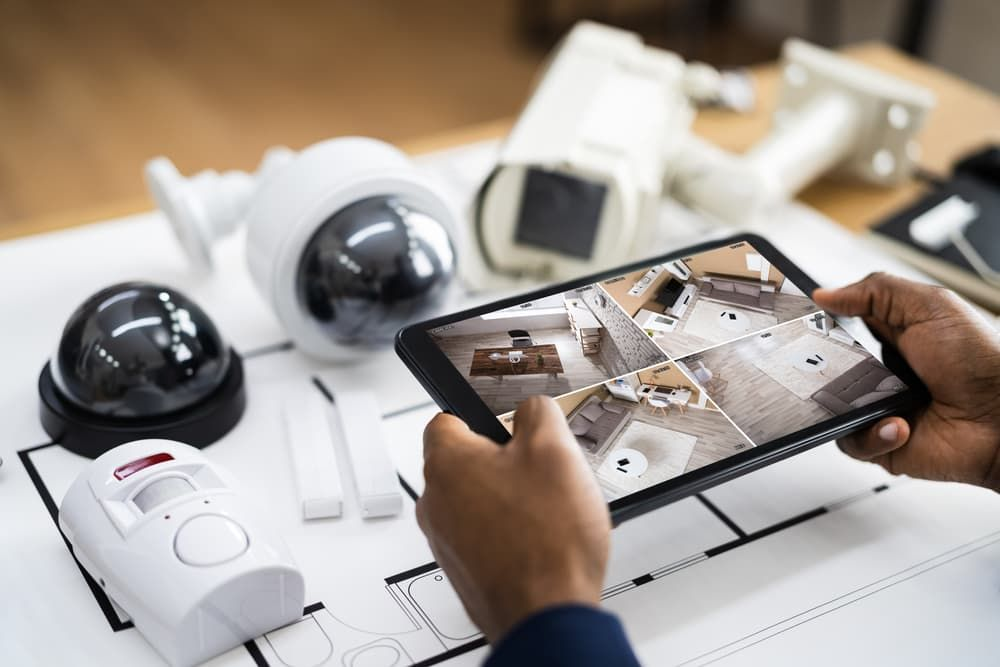
Protecting your home isn’t about following a checklist someone else made. It’s about understanding what keeps you up at night. Some people worry about package thieves. Others stress about their house sitting empty during vacations. Your neighbor’s concerns probably look nothing like yours. That’s why cookie-cutter security advice falls flat. What works for a downtown apartment doesn’t fit a suburban house with a big backyard. This guide helps you figure out what actually matters for your situation and skip the stuff that doesn’t.
Introduction to Modern Security Solutions
Security technology got simpler and cheaper in recent years. You don’t need a fortress-level budget anymore. Basic setups now include HD cameras and phone alerts that work right out of the box.
Think about your daily life first. Do you have kids coming home before you? You’ll want easy-to-use controls they can handle. Live alone and travel frequently? Remote access becomes crucial. Work night shifts? Cameras with clear nighttime recording matter more than fancy daytime features.
Your neighborhood tells you a lot too. Walk around and notice which homes get targeted. Check local crime maps online. Properties on corner lots need different coverage than homes tucked mid-block. Ground floor apartments face different risks than third-floor units.
Benefits of Hiring Security Guards
Real people catch things cameras miss. I’ve seen guards notice a car circling the block three times while cameras just recorded it happening. That human instinct to recognize “something’s off” beats algorithms every time.
Visible guards change criminal behavior immediately. Thieves want easy targets. They’ll skip your property entirely when someone’s actively watching. That prevention saves you from dealing with break-in aftermath.
Guards handle situations as they unfold. When a delivery person arrives at 2 AM, a guard can verify legitimacy right then. Cameras just show you footage later. When weather knocks a gate open, guards secure it immediately instead of letting it bang all night.
Hyguard Security Services in San Francisco trains guards who actually understand Bay Area properties and local concerns.
Alarm and Detection Systems
Door and window sensors form your first line of defense. Stick them on every ground-floor access point. They’re cheap and incredibly effective. When someone forces entry, loud sirens usually send them running before they grab anything valuable.
Motion sensors work best in hallways and main rooms. Skip placing them where pets roam freely unless you get pet-immune models. Position them in corners facing entry points for maximum coverage.
Glass break detectors solve a problem many people miss. Burglars sometimes smash windows instead of opening them. These sensors hear that specific breaking sound and trigger your alarm instantly.
Cameras need strategic placement. Put them where they can’t be easily disabled. Above doorframes works better than eye level. Angle them to capture faces, not just bodies. Get weather-resistant models for outdoor use. Check that night vision actually shows details, not just blurry shapes.
Environmental sensors prevent disasters beyond theft. Water sensors near water heaters and under sinks catch leaks early. Smoke detectors save lives. Carbon monoxide monitors do too. Bundle these into your security system for one alert system instead of separate chirping devices.
Integration with Smart Technology
Connecting everything to your phone changes how security works. You’re not tied to wall panels anymore. Forgot to arm the system when leaving? Do it from your car. Want to check if kids got home safely? Pull up the camera feed.
Automation removes human forgetfulness. Set the system to lock all doors at 10 PM automatically. Program lights to turn on when motion activates at night. These automatic routines run whether you remember them or not.
GPS-based automation knows when you’re home. The system arms itself when you leave and disarms when you return. No codes to remember or buttons to press. Your phone’s location handles everything.
Smart systems learn your patterns. They know you leave for work at 8 AM on weekdays. They recognize family members’ faces. After a few weeks, the system distinguishes between your teenager arriving home and an intruder. False alarms drop significantly.
Cost and Investment Considerations
You can start small. A basic setup with door sensors and a control panel costs $300-500. Add cameras as you can afford them. Build up coverage over time instead of trying to do everything at once.
Professional installation runs $1,500-4,000 for most homes. You’re paying for proper sensor placement and system configuration. DIY saves money if you’re handy but mistakes can leave gaps in coverage.
Monthly monitoring costs $20-50 typically. That buys 24/7 professional oversight. When your alarm triggers at 3 AM, someone’s immediately checking if you need police. Self-monitoring through apps is free but requires you to always be available.
Security guards cost substantially more. Part-time coverage might run $500-1,000 per event. Full-time residential security involves serious monthly expenses. Consider this for high-value properties or specific threats.
Your insurance company probably offers discounts for monitored systems. Call them before buying anything. Some insurers require specific features for discounts. Those savings can offset monitoring fees over time.
Conclusion
Pick security that matches your actual risks. A single mom living alone needs different coverage than a retired couple rarely leaving home. Start with basics like door sensors and one good camera. Add features as your budget allows. The best system is one you’ll actually use consistently. Don’t overcomplicate it with features you’ll never touch.