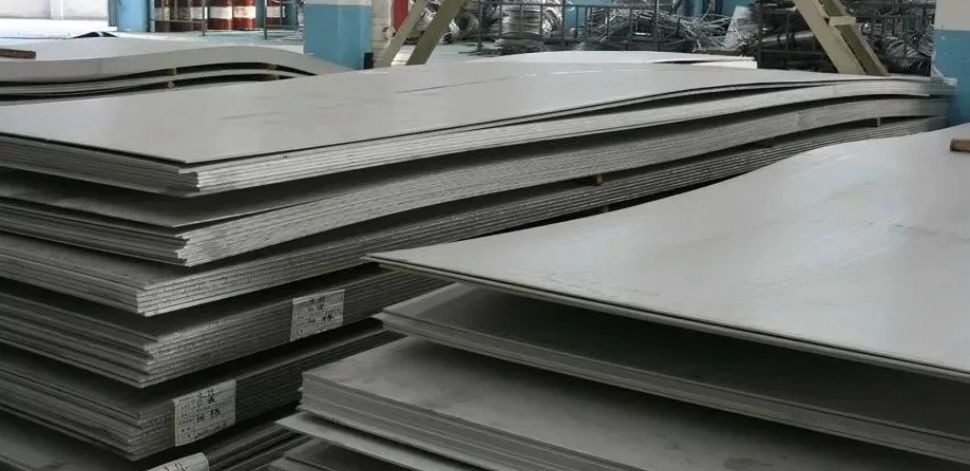
Duplex steel plates are increasingly preferred across industries where strength, corrosion resistance, and long-term cost efficiency are critical. Combining the best properties of austenitic and ferritic stainless steels, duplex steel offers superior mechanical performance and excellent resistance to stress corrosion cracking. However, selecting the right duplex steel plate for your project requires careful evaluation of multiple technical and operational factors.
This guide will help engineers, fabricators, and procurement professionals make informed decisions when choosing duplex steel plates for industrial applications.
1. Understand What Duplex Steel Plates Are
Duplex steel plates are stainless steel products with a dual-phase microstructure, typically consisting of approximately 50% austenite and 50% ferrite. This unique structure delivers:
- Higher strength than conventional stainless steel
- Improved resistance to pitting, crevice corrosion, and chloride stress corrosion cracking
- Better weldability compared to ferritic steels
These properties make duplex steel plates suitable for demanding environments such as oil & gas, marine, chemical processing, and construction industries.
2. Identify the Application Environment
The first step in choosing the right duplex steel plate is understanding the service conditions of your project.
Key factors to consider include:
- Exposure to chlorides or seawater
- Operating temperature and pressure
- Chemical exposure (acids, alkalis, corrosive media)
- Load-bearing or structural requirements
For example:
- Marine and offshore applications require high corrosion resistance.
- Pressure vessels and heat exchangers demand superior strength and toughness.
- Chemical processing equipment needs resistance to aggressive chemicals.
Matching the plate’s properties to environmental conditions ensures optimal performance and longevity.
3. Select the Appropriate Duplex Steel Grade
Choosing the correct grade is crucial. Common duplex steel plate grades include:
Lean Duplex (e.g., UNS S32101, S32304)
- Cost-effective alternative to 304/316 stainless steel
- Moderate corrosion resistance
- Suitable for structural and architectural applications
Standard Duplex (e.g., UNS S32205 / 2205)
- Excellent balance of strength and corrosion resistance
- Widely used in oil & gas, pressure vessels, and chemical industries
Super Duplex (e.g., UNS S32750 / 2507)
- Exceptional resistance to pitting and crevice corrosion
- Ideal for highly aggressive environments like offshore platforms and desalination plants
Selecting the correct grade prevents over-engineering and unnecessary costs.
4. Consider Mechanical Strength Requirements
Duplex steel plates offer nearly twice the yield strength of austenitic stainless steels. This allows:
- Reduced plate thickness
- Lower overall material weight
- Improved structural efficiency
However, engineers must ensure that the selected thickness meets design codes, load calculations, and safety margins. For structural and pressure applications, proper strength evaluation is essential to avoid under- or over-specification.
5. Evaluate Plate Thickness, Size, and Tolerances
Duplex steel plates are available in a wide range of thicknesses and dimensions. When selecting plates, consider:
- Fabrication requirements
- Welding procedures
- Machining and forming processes
- Dimensional tolerances as per ASTM or EN standards
Thicker plates may require specialized welding techniques to maintain the correct ferrite-austenite balance, while thinner plates offer better formability.
6. Ensure Compliance with Standards and Certifications
Always choose duplex steel plates that comply with international standards, such as:
- ASTM A240 / A240M
- EN 10088
- ASME specifications
Additionally, verify:
- Mill Test Certificates (MTC)
- Chemical composition and mechanical properties
- Heat treatment condition
Certified materials ensure quality, traceability, and compliance with project specifications.
7. Assess Weldability and Fabrication Needs
Duplex steel plates are generally weldable, but improper welding can affect corrosion resistance and mechanical properties. Before selection, consider:
- Availability of skilled welders
- Recommended filler materials
- Heat input and cooling rates
For complex fabrication projects, consulting with material suppliers or welding specialists can help avoid costly errors.
8. Balance Cost with Lifecycle Performance
While duplex steel plates may have a higher initial cost compared to carbon steel, they offer lower lifecycle costs due to:
- Reduced maintenance
- Longer service life
- Improved resistance to corrosion-related failures
Selecting the right grade ensures you get the best return on investment without compromising performance.
Conclusion
Choosing the right duplex steel plate involves more than just selecting a material; it requires understanding application conditions, selecting the appropriate grade, ensuring compliance with standards, and balancing cost with performance. When chosen correctly, duplex steel plates deliver exceptional strength, corrosion resistance, and long-term reliability for demanding industrial projects.