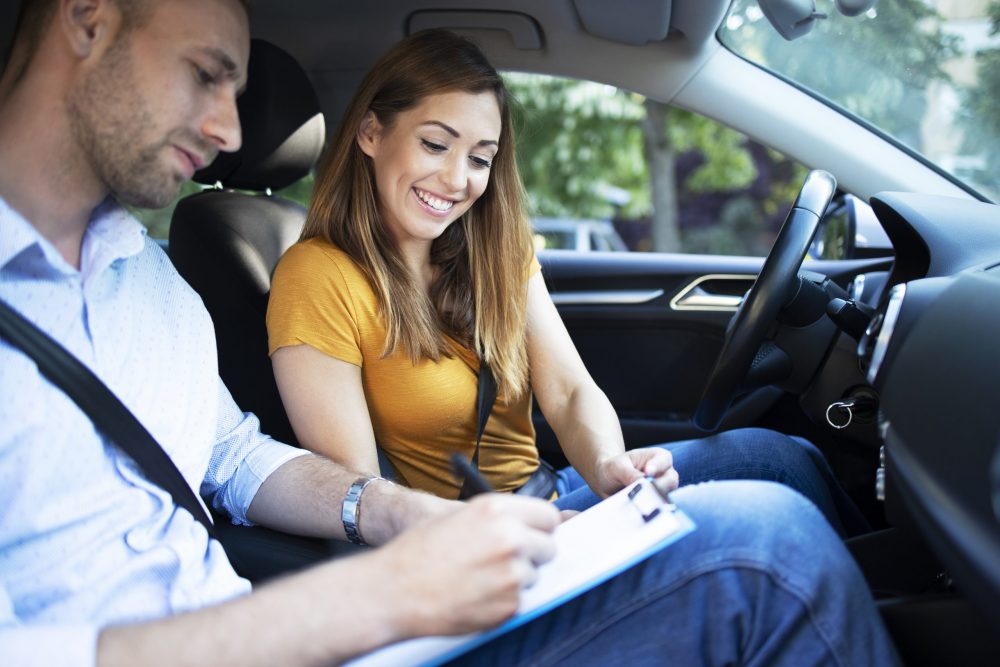
Obtaining a driving licence is a significant milestone, isn’t it? It is that specific moment where the world suddenly feels a bit smaller and much more accessible. However, achieving this is rarely a straightforward process. The process involves a fair amount of stress and coordination, as well as the realisation that sitting in the driver’s seat is quite a heavy responsibility. Because of that, picking the person who sits in the passenger seat next to you is easily the most important decision in the whole journey. This is not just about hiring a person with a car. It is about finding a mentor who listens and understands that every student has a different threshold for panic. You need a calm environment where a stalled engine at a green light feels like a small hiccup rather than a total disaster.
What traits distinguish superior teaching practitioners?
There is a significant distinction between a driver and a teacher. An exceptional instructor needs a very specific kind of temperament. They must be part mechanic, part teacher, and, occasionally, part therapist. Clear communication is the absolute bedrock here. If an instructor explains a reverse park using overly technical jargon that leaves a student more confused than when they started, then something is wrong. You want someone who can break down a complex movement into small, manageable pieces.
Patience is perhaps the rarest quality but also the most necessary. When you are navigating a busy high street for the first time, your heart rate is naturally going to be up. A mentor who stays relaxed helps keep your nerves in check, even when you accidentally clip a kerb or misjudge a gap. Beyond just being nice, they must be observant. A flexible teacher notices that while you might be a natural at steering, you might struggle with the fine motor skills of clutch control. Instead of simply following a generic syllabus, they should be prepared to modify their daily plan to concentrate on areas that require improvement.
Check Qualifications and Recent Success Pass Rates
It sounds obvious, but verifying that a person is actually qualified to teach is a step that many people skip in their hurry to get started. You should be looking for a green badge in the windscreen, which signifies a fully qualified, approved driving instructor in Bolton. This matters because it ensures the person teaching you is being regularly assessed on their own ability to deliver a lesson. They stay up to date with the latest changes in the Highway Code and the specific quirks of the modern practical test, which, let’s be honest, changes more often than one might expect.
While pass rates are a useful metric, they do require a bit of nuanced thinking. A very high success rate usually points toward an instructor who knows exactly what examiners are looking for and how to prepare a student for the pressure of test day. However, it’s important to keep in mind that a pass rate does not provide a comprehensive picture. Some brilliant instructors take on students who have failed multiple times elsewhere or those with severe anxiety, which might naturally lower their percentage. Therefore, use these numbers as a guide rather than a final verdict. A history of positive outcomes is a wonderful sign, but the quality of the feedback from previous students often says more about the actual experience in the car.
Consider the Benefits of Various Learning Routes
Not everyone learns at the same speed, and the traditional “one hour a week” model does not suit every personality. Some forget half of the first lesson by the second. For those learners, intensive Bolton driving courses can be a game changer. Immersing yourself in the experience over a week or two allows for much better muscle memory retention. On the other hand, some people find that much intensity totally draining. They require time in between sessions to mentally assimilate the road rules. Both ways are valid; it really just depends on how your brain handles new information.
Then there’s the long-standing debate between manual and automatic cars. Manuals are great because they give you total control and the legal right to drive any car once you pass. However, let’s be realistic: gears and clutches are often the hardest part for beginners. If the goal is simply to get on the road safely and quickly, an automatic removes a massive layer of complexity. It allows a learner to keep their eyes on the road and their hands on the wheel without worrying about stalling in the middle of a roundabout. It is a trade-off between long-term flexibility and short-term ease of learning.
Evaluate Communication Skills and Vehicle Safety Standards
The vibe in the car matters. Your progress will stall if there is a personality clash or if you feel judged for asking a “stupid” question. A good coach knows how to give constructive criticism without being discouraging. They should be able to tell you that your observation was poor in a way that made you want to do better rather than give up. Mutual respect is the only way this partnership works. If you feel comfortable, you learn faster. It really is that simple.
Finally, the car itself is a tool that needs to be in top shape. You are paying for a professional service, so the vehicle should be clean, modern, and well-maintained. Dual controls are a non-negotiable safety feature; they provide that invisible safety net that allows you to take risks and learn from them without actually putting anyone in danger. The final component is reliability. If an instructor is constantly late or cancelling at the last minute, it ruins your momentum. Scheduling professionalism is equally crucial as the actual teaching.
Conclusion
Starting the move towards driving alone feels like a big step, and the right help can shape how everything turns out. Early habits matter more than most people expect; therefore, steady guidance at the start can prevent stress later. For learners who want clear direction, L TEAM DRIVING SCHOOL offers a balanced and practical path. Lessons focus on the person, not just the pedals, building skill and calm confidence together. While some enjoy relaxed lessons, most people value the calm guidance and steady support needed to pass a driving test.