Weakness of muscles is a natural experience with age. Wear and tear impacts the whole body, including knees, hips, back and more.
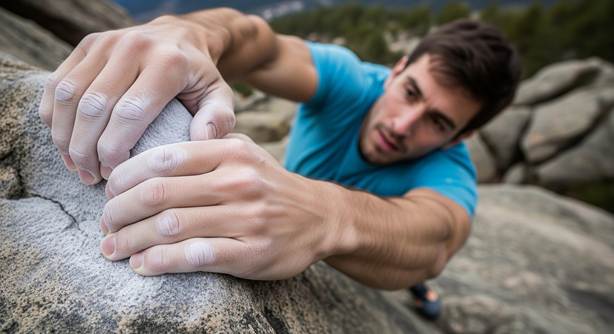
Keeping a routine of strength-training exercises is essential to counter these effects. The amount of force you apply when you clench your hand around an object is the grip strength. It is a huge indication of the overall health.
Your grip strength is essential for more than having a strong handshake and being able to open a jam jar. The strength you hold in your hands, wrists and forearms says a lot about the health of your body. It is also an indication of the risk for injury, mental health conditions and more.
Relation Between Health and Grip Strength
Grip strength is a crucial, easily measured indicator of overall health, longevity, and physical function, often serving as a biomarker for ageing and chronic disease risk. Higher grip strength correlates with lower blood pressure, better metabolic health, reduced risk of cardiovascular disease, and improved cognitive function. Here is what you need to know:
- Stronger grips are associated with better insulin sensitivity and a lower risk of Type 2 diabetes. Furthermore, higher grip strength correlates with lower systolic, diastolic, and mean arterial blood pressure, indicating better overall cardiovascular function.
- Grip strength is a key measure of age-related muscle loss. It directly relates to physical independence, mobility, and resilience, with higher strength helping prevent frailty in older adults.
- Lower handgrip strength is significantly associated with a higher number of chronic diseases in both men and women, acting as a biomarker for physiological decline.
- Grip strength reflects the integrity of the entire system from the brain to the muscles, including motor command, nerve transmission, and muscle contraction.
Improving grip strength involves some exercises and keeping the body’s overall health maintained.
Exercises for Grip Strength
Improving grip strength can be simple. Here are a few exercises that can help you improve grip strength:
- Dead Hangs: Hang from a pull-up bar for 30-60 seconds to build endurance.
- Towel Pull-Ups/Hangs: Drape towels over a bar and grip them while doing pull-ups or just hanging, which intensifies the grip requirement.
- Wrist Curls/Extensions: Use light dumbbells to perform wrist curls (palm up) and reverse curls (palm down) to strengthen forearm muscles.
- Hand Grippers/Balls: Squeeze professional hand grippers or rubber stress balls (5-10 repetitions) to improve crushing strength.
Let us cover some tips for you so that you can perform these exercises effectively without getting any serious complications.
Tips to Perform Grip Strength Exercises at Home Safely
Do not start immediately; that is the main point. Here, understand how to start and perform well:
- Before starting, perform light dynamic stretches like wrist circles and finger bends to improve blood flow and joint mobility.
- Begin with light resistance and a low number of repetitions, especially if you are new to grip training or have pre-existing joint issues like arthritis.
- Only a stretching or “burning” sensation should be felt, never sharp pain. Stop any exercise that causes discomfort, and listen to your body.
- Maintain good posture and control throughout the movements to avoid straining your wrists or joints.
- Muscles need time to recover and grow stronger. Ensure you have rest days between intense grip workouts.
- If you have ongoing hand or wrist pain or conditions like carpal tunnel syndrome, consult a healthcare professional or a physical or occupational therapist before starting an exercise program.
Hydration is key to the recovery process and the best routine. Keeping hydrated helps maintain muscle function and recovery.
What Leads to Poor Grip Strength?
We use our dominant hand the most, which is why it has a stronger grip. There are several reasons you can have reduced grip strength in one or both hands. These reasons include the following:
- Recent hand injuries like carpal tunnel, tendonitis or a hand fracture can affect the grip.
- A pinched nerve in the neck, leading to numbness, tingling or weakness in one arm or hand, could become one of the reasons.
- Medical conditions like arthritis, multiple sclerosis, or Parkinson’s disease are also some of these.
- Age can also result in a decline in grip strength as we get older. Grip strength can peak around age 40 and decline as we age.
These factors can lead to poor grip strength with time. You can go for a grip trainer if you find yourself having difficulty handling routine tasks. A professional consultation is recommended. They can recommend the right solution after checking your condition.