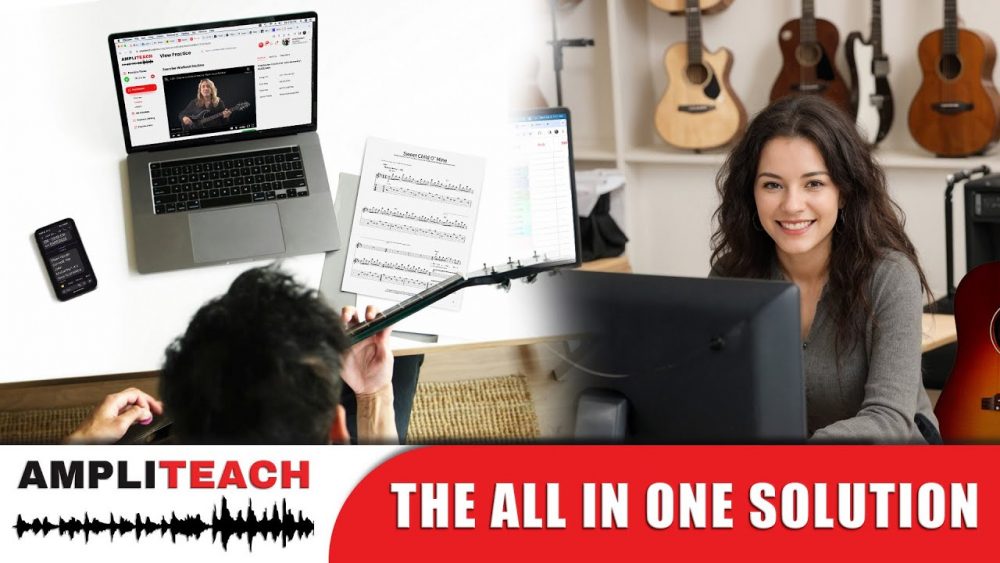
Running a music studio today is both an art and a business. While creativity, talent, and student relationships remain at the heart of music education, administrative complexity continues to grow. Scheduling lessons, managing teachers, handling payments, tracking progress, organizing recitals, and communicating with parents can quickly become overwhelming without the right tools.
This is where Music Studio Software becomes essential. The right solution does more than organize appointments. It transforms your studio into a streamlined, professional, and scalable operation. Whether you manage a small teaching studio, a multi-instructor academy, or a professional recording environment, choosing the best music studio software can significantly impact efficiency, profitability, and student satisfaction.
This comprehensive guide will help music teachers, studio owners, and school administrators understand what Music Studio Software is, which features matter most, how to evaluate options, and how to select a system that supports long-term growth. If you are exploring music studio management software for your school, this guide will help you make an informed decision.
What Is Music Studio Software
Music Studio Software is a digital platform designed to help music schools and studios manage operations efficiently. It combines administrative, financial, and educational tools into one centralized system.
Depending on the platform, it may include:
- Scheduling and calendar management
- Online booking
- Billing and invoicing
- Student progress tracking
- Communication tools
- Reporting and analytics
- Lesson planning features
Some platforms focus strictly on studio music software for recording environments, while others emphasize music studio management software for educational institutions. Understanding your primary need is the first step in choosing the right solution.
Why Music Studios Need Specialized Software
Many studio owners start with spreadsheets, notebooks, or generic business tools. While these may work initially, they often fail as the studio grows.
Common challenges include:
- Double bookings
- Missed payments
- Lack of visibility into student progress
- Inconsistent communication
- Time wasted on repetitive administrative tasks
Professional music studio software addresses these issues by introducing automation, transparency, and structure.
For growing schools, integrating software for music management with broader Music School management systems can create a seamless operational ecosystem.
Internal Linking Suggestion: Link the phrase Music School management to your core service page, explaining how integrated systems streamline administration.
Types of Music Studio Software
Before choosing a solution, it is important to understand the main categories.
1. Educational Music Studio Management Software
Designed for music schools and private instructors.
Key features include:
- Student management
- Lesson scheduling
- Recurring billing
- Progress tracking
- Parent portals
This is ideal for music teachers and academies focused on instruction.
2. Recording Studio Management Software
Tailored for professional recording environments.
Includes:
- Session scheduling
- Studio room booking
- Equipment tracking
- Engineer assignments
- Client billing
Recording studio management software helps manage commercial recording operations efficiently.
3. Music Production and Creative Music Software
Often referred to simply as music software.
Includes:
- Digital audio workstations
- Sound editing tools
- Mixing and mastering features
Examples include professional music studio software used by producers and engineers. These tools focus more on creativity than administration.
4. Free Music Studio Management Software
Some platforms offer limited free music software versions.
These typically provide:
- Basic scheduling
- Limited student tracking
- Simple invoicing
While free music studio management software can work for beginners, growing studios usually require more advanced capabilities.
Core Features to Look for in Music Studio Software
Choosing the best music studio software requires careful evaluation of features.
1. Scheduling and Calendar Management
A strong scheduling system should offer:
- Recurring lesson bookings
- Automated reminders
- Easy rescheduling
- Multi-teacher calendar coordination
- Studio room allocation
Example:
If two guitar instructors share the same room, the system should prevent double booking automatically.
Efficient scheduling increases professionalism and reduces administrative stress.
2. Billing and Payment Processing
Financial management is crucial.
Look for:
- Automated recurring billing
- Online payment gateways
- Invoice generation
- Payment tracking
- Revenue reports
Software for music management that simplifies billing, ensures steady cash flow, and reduces disputes.
3. Student and Client Management
Your platform should allow:
- Centralized student profiles
- Attendance tracking
- Skill progression records
- Communication history
Music studio management software with CRM capabilities helps maintain long-term relationships.
4. Lesson Planning and Progress Tracking
For educational studios, structured lesson planning is essential.
Features to consider:
- Built-in lesson templates
- Practice assignment tracking
- Achievement milestones
- Performance readiness logs
Clear progress tracking improves student motivation and retention.
5. Reporting and Analytics
Data-driven decisions lead to sustainable growth.
Look for reporting tools that provide:
- Revenue breakdowns
- Enrollment trends
- Student retention rates
- Teacher performance metrics
Professional music studio software should transform raw data into actionable insights.
6. Communication Tools
Effective communication reduces confusion.
Your software should include:
- Email and SMS notifications
- Event announcements
- Direct messaging
- Parent portals
Centralized communication enhances trust and transparency.
How to Evaluate the Best Music Studio Software
Selecting the right platform requires more than comparing feature lists.
Step 1: Define Your Goals
Ask:
- Are we focused on education or recording
- How many students or clients do we manage
- Do we plan to expand
- What operational challenges cause the most stress
Clear goals guide your decision.
Step 2: Assess Ease of Use
A complicated system reduces adoption.
Evaluate:
- User interface design
- Onboarding process
- Training resources
- Mobile accessibility
The best music studio software should feel intuitive.
Step 3: Consider Scalability
Your software should grow with your studio.
Look for:
- Multi-location support
- Add on modules
- Flexible pricing plans
- Role-based access controls
Scalability prevents the need for frequent platform changes.
Step 4: Review Integration Capabilities
Modern studios use multiple tools.
Ensure compatibility with:
- Accounting software
- Payment gateways
- Video conferencing tools
- Marketing platforms
Integration improves efficiency.
Step 5: Compare Pricing Models
Common pricing structures include:
- Monthly subscription per user
- Flat monthly fee
- Tier-based pricing
Free music software options may limit advanced features, so evaluate long-term value rather than initial cost.
Comparing Free and Paid Music Studio Software
Understanding the difference helps avoid future frustration.
Free Music Software Advantages
- No upfront cost
- Suitable for beginners
- Easy experimentation
Limitations of Free Music Studio Management Software
- Restricted features
- Limited customer support
- Scalability constraints
- Minimal analytics
Paid professional music studio software typically offers:
- Advanced reporting
- Automation tools
- Priority support
- Customization options
For growing schools, paid solutions usually deliver better long-term ROI.
How Music Studio Software Supports Business Growth
Technology is not just about convenience. It is about expansion.
1. Improved Student Retention
Structured progress tracking keeps students engaged.
2. Increased Revenue
Automated billing reduces missed payments.
3. Enhanced Professional Image
Parent portals and online scheduling create a polished experience.
4. Better Resource Allocation
Analytics reveal underutilized time slots or rooms.
Music studio management software transforms daily operations into strategic growth opportunities.
Real World Example
Imagine a mid-sized music academy with 200 students.
Before implementing software:
- Manual scheduling caused conflicts
- Teachers maintained separate records
- Billing errors were frequent
- Growth stagnated
After adopting professional music studio software:
- Scheduling conflicts dropped significantly
- Revenue increased due to consistent billing
- Teachers accessed shared progress data
- Management identified peak enrollment periods
The result was improved efficiency and profitability.
Common Mistakes When Choosing Music Studio Software
Avoid these errors:
1. Ignoring Future Needs
Choose a platform that supports expansion.
2. Overlooking Customer Support
Reliable assistance prevents downtime.
3. Selecting Based Only on Price
Low cost may mean limited features.
4. Skipping Free Trials
Hands-on experience is critical.
Future Trends in Music Studio Software
The industry continues to evolve.
Emerging trends include:
- AI-driven lesson recommendations
- Predictive retention analytics
- Cloud-based collaboration
- Mobile first interfaces
- Integrated performance tracking
Staying current ensures your studio remains competitive.
Checklist Before Making Your Final Decision
Before committing, confirm:
- Clear feature documentation
- Transparent pricing
- Secure data protection
- Mobile compatibility
- Positive user reviews
- Flexible contract terms
Testing multiple options helps identify the best music studio software for your specific needs.
Integrating Music Studio Software with School Operations
For schools offering multiple programs, integration with broader Music School management systems ensures seamless operations.
Benefits include:
- Unified reporting
- Centralized communication
- Coordinated marketing campaigns
- Improved financial oversight
Internal Linking Suggestion: Link Music School management to your main service page, explaining how integrated platforms improve administrative efficiency.
How to Successfully Implement Music Studio Software
After selecting a solution, follow these steps:
1. Data Migration
- Import student data
- Verify financial records
- Sync calendars
2. Staff Training
- Conduct workshops
- Provide documentation
- Assign internal champions
3. Parent Communication
- Announce system transition
- Provide login details
- Highlight benefits
4. Monitor Performance
- Collect feedback
- Adjust workflows
- Track key metrics
Proper implementation ensures maximum value.
Conclusion
Choosing the right Music Studio Software is one of the most important decisions for modern music schools and studios. Beyond simplifying scheduling and billing, the best music studio software enhances professionalism, improves student engagement, supports financial stability, and enables long-term growth. In a competitive environment, relying on manual systems or disconnected tools limits scalability and efficiency.
Whether you operate an educational academy or a recording facility, selecting professional music studio software tailored to your goals ensures smoother operations and stronger results. By carefully evaluating features, usability, scalability, integration options, and pricing, you can invest in a platform that aligns with your vision.
Ultimately, Music Studio Software is not just a management tool. It is a strategic partner that empowers music teachers, supports students, and drives sustainable business success.